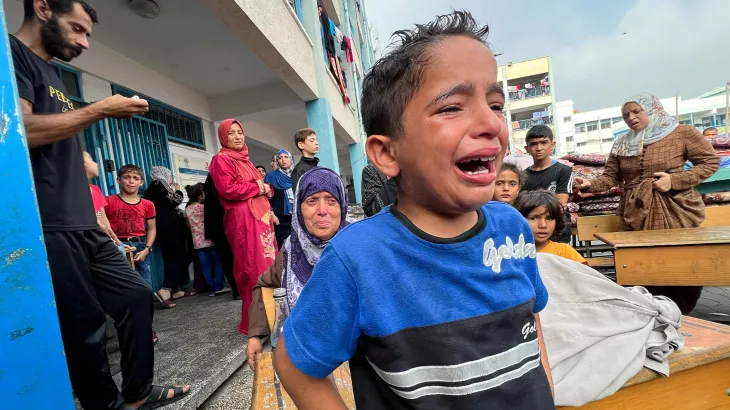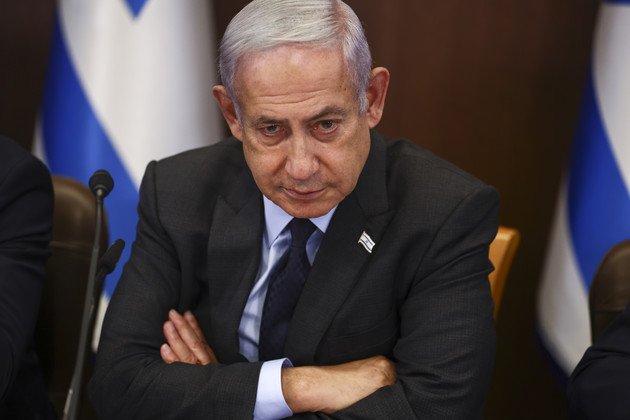
GazaHerald – Israeli Prime Minister Benjamin Netanyahu refused to vote on a partial deal to release captives held in the Gaza Strip on Sunday, despite reports of pressure to resume discussions on a captive exchange with Hamas. The decision has angered families of Israeli captives, who accuse Netanyahu of prioritizing his political survival over the lives of prisoners.
According to Yedioth Ahronoth, Netanyahu argued during the secretive security cabinet meeting that the partial deal was not on the agenda and therefore did not require a vote. He added, “What could have been approved is no longer possible due to the new circumstances,” without offering further clarification.
Israeli National Security Minister Itamar Ben-Gvir and other ministers reportedly sought to vote against the partial deal, while Foreign Minister Gideon Sa’ar urged the cabinet to give the agreement positive consideration. Channel 13 reported that the army expressed support for a prisoner exchange, but Netanyahu maintained that no deal was currently in place.
The meeting reportedly turned heated when Settlement Minister Orit Struck mocked Chief of Staff Eyal Zamir, suggesting he was cowardly. Zamir defended his decisions, describing them as courageous and unprecedented.
Israeli Protests Growing
The Israeli Prisoners’ Families Authority condemned Netanyahu’s refusal, describing him as the “father of partial deals” who is now opposing the approach he once championed. They accused him of using the lives of captives and soldiers to protect his political position, calling the move a deliberate attempt to “thwart and bury the agreement.”
Sources close to Netanyahu told Channel 13 that the prime minister is facing pressure from senior officials to respond to Hamas’ proposal, which had been approved by mediators on August 18. Hamas’ terms are reportedly almost identical to those previously agreed upon, yet Israel has not publicly stated its position. Analysts describe Netanyahu’s stance as puzzling, emphasizing that his insistence on a ground invasion of Gaza appears genuine.
In preparation for a potential ground operation, the Israeli army has begun mobilizing approximately 60,000 reserve soldiers to replace regular forces in the West Bank and northern front, allowing them to participate in a Gaza incursion. Military sources, however, expressed concern about the lack of organized cabinet discussion regarding troop readiness for the expected operation.
The Israeli opposition and captives’ families have criticized Netanyahu for consistently imposing new demands that obstruct negotiations, arguing that his approach ensures the continuation of the war while safeguarding his political future and avoiding accountability.