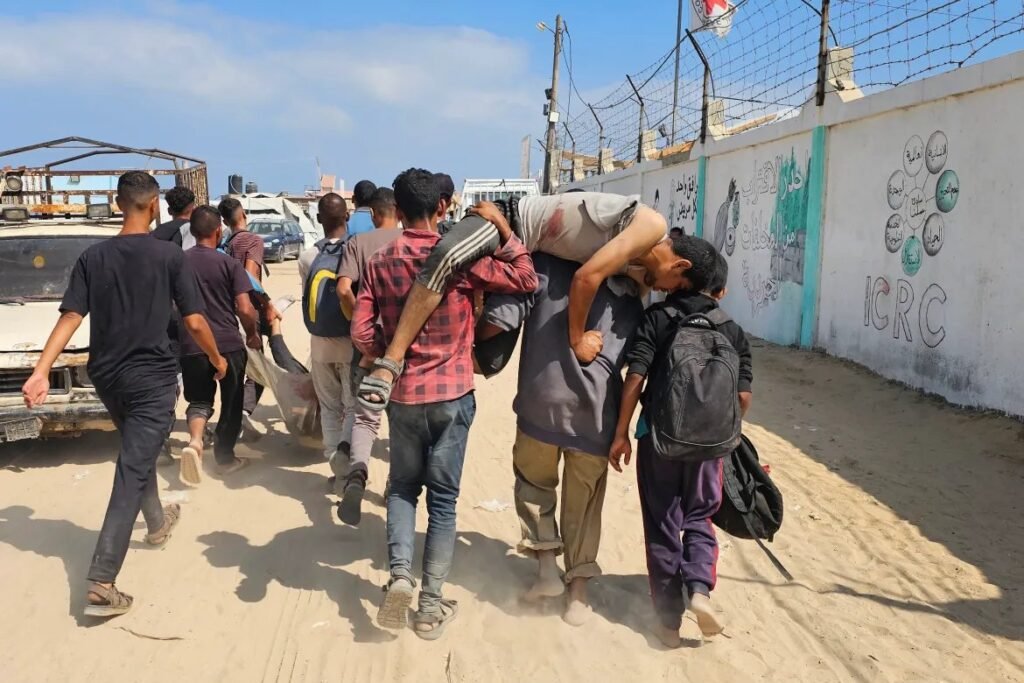
Gaza Herald – Israel escalated its blockade on the Gaza Strip by sharply restricting the flow of food, fuel, and humanitarian aid, capitalizing on global focus on the war with Iran to intensify what rights groups described as a deliberate policy of starvation against civilians.
According to the Euro-Med Human Rights Monitor, Israeli authorities fully closed all crossings on February 28, halting the entry of humanitarian aid, commercial goods, and fuel, while also suspending medical evacuations, humanitarian missions, and civilian travel. The move further accelerated the collapse of living conditions across the enclave.
Israel later partially reopened Kerm Abu Salem crossing, but only allowed limited shipments. Aid deliveries fell drastically, with just a few dozen trucks entering daily, far below the 600 trucks per day, including 50 fuel trucks, required under the ceasefire agreement. Actual entry levels did not exceed 41% of agreed volumes, according to monitoring data.
Fuel restrictions were particularly severe, with only 14.8% of the agreed quantities allowed into Gaza. This shortfall disrupted critical sectors, including hospitals, water and sanitation systems, relief operations, and transportation, pushing essential services closer to total breakdown.
Data compiled by Euro-Med Monitor showed that since the ceasefire took effect on October 11, 2025, a total of 37,369 trucks entered Gaza, including 56% humanitarian aid, 41% commercial goods, and only 3% fuel, underscoring a significant failure to meet basic humanitarian needs.
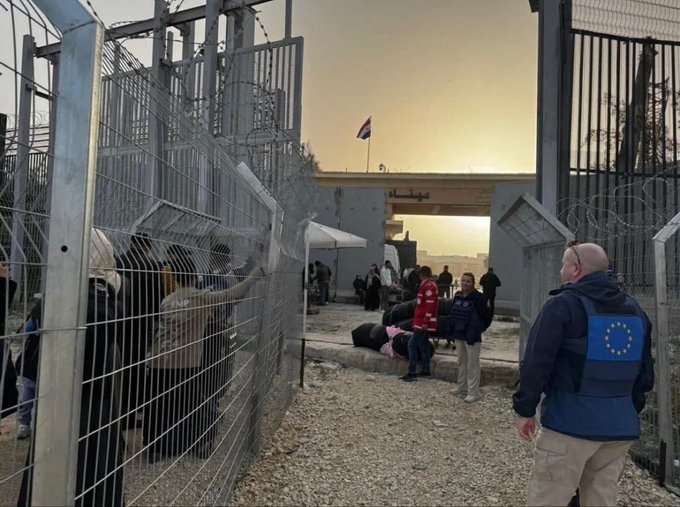
The continued closure of the Rafah crossing further restricted movement, with only 1,934 travelers crossing during previous limited openings, just 29.3% of the expected number, highlighting what rights groups described as deliberate constraints on medical evacuations and civilian mobility.
Euro-Med Monitor warned that Israel’s control over aid flows, combined with the destruction of local food production and supply chains, has left Gaza’s population almost entirely dependent on restricted external assistance. The organization said these measures may constitute the use of starvation as a weapon and could amount to acts of genocide, calling for urgent international action to lift the siege, ensure unrestricted aid access, and establish independent monitoring to prevent further humanitarian collapse.