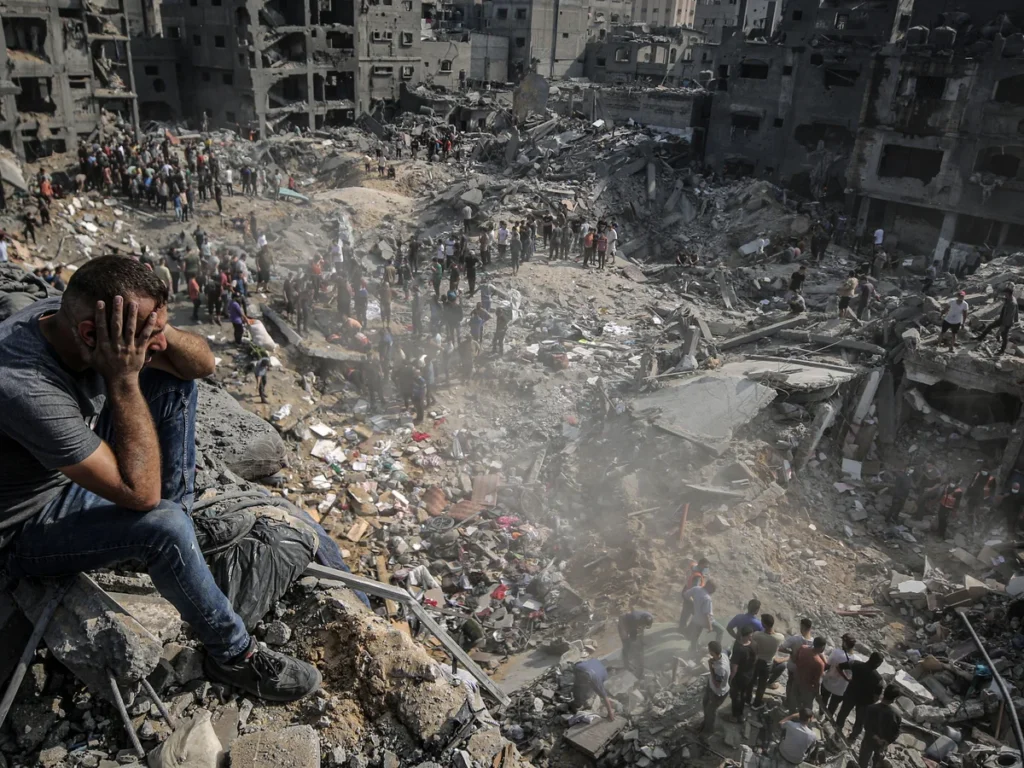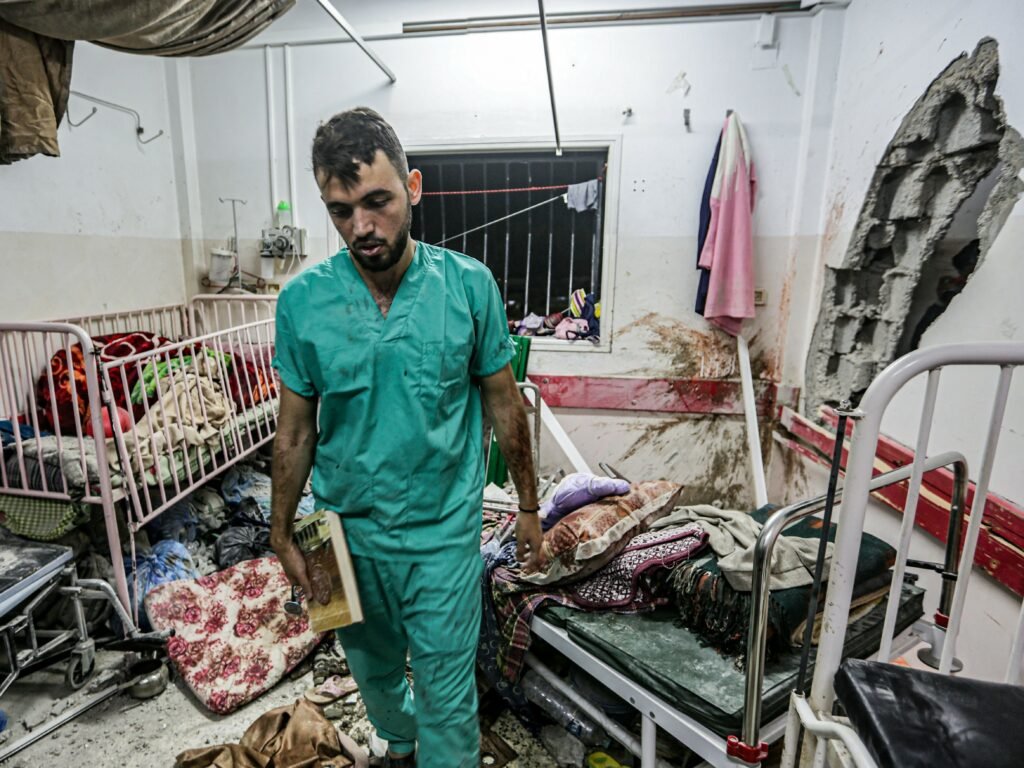
Gaza Herald_ Hospitals across the Gaza Strip are facing an escalating healthcare crisis, even after the announcement of a ceasefire. According to Khalil Al-Deqran, spokesperson for Al-Aqsa Martyrs Hospital, the territory’s already devastated medical sector continues to struggle under strict limitations on the entry of medicines, medical supplies, and essential equipment.
Speaking on Wednesday, March 11, 2026, Al-Deqran said Gaza’s hospitals are suffering from critical shortages of medical tools and resources, while also facing major difficulties in operating electrical generators due to restrictions on the entry of fuel oils and spare parts.
As a result, hospital administrations have been forced to limit operations to only the most vital departments while suspending others on a rotating basis in an attempt to preserve what little capacity remains.
Al-Deqran warned that the failure of smaller generators could pose an immediate threat to patients in critical units such as intensive care wards, operating rooms, cardiac and dialysis units, and neonatal incubator departments.
Thousands Await Medical Evacuation
The crisis extends beyond Gaza’s hospital walls. Al-Deqran revealed that more than 22,000 patients urgently require medical treatment outside the Gaza Strip, including approximately 4,500 children.
However, the current rate at which patients are allowed to leave the enclave for treatment remains extremely limited, with only 20 to 30 patients permitted to travel each day. At this pace, evacuating all those in need could take more than two years, a delay that doctors warn many patients simply cannot survive.
According to medical data cited by Al-Deqran, more than 1,400 patients have already died while waiting for permission to leave Gaza for treatment.
He called on international organizations and mediators to intervene immediately to ensure the entry of essential medical supplies and facilitate the evacuation of critically ill patients for treatment abroad.
Without urgent action, he warned, the healthcare crisis in Gaza is likely to deepen further, placing thousands of patients at even greater risk.