
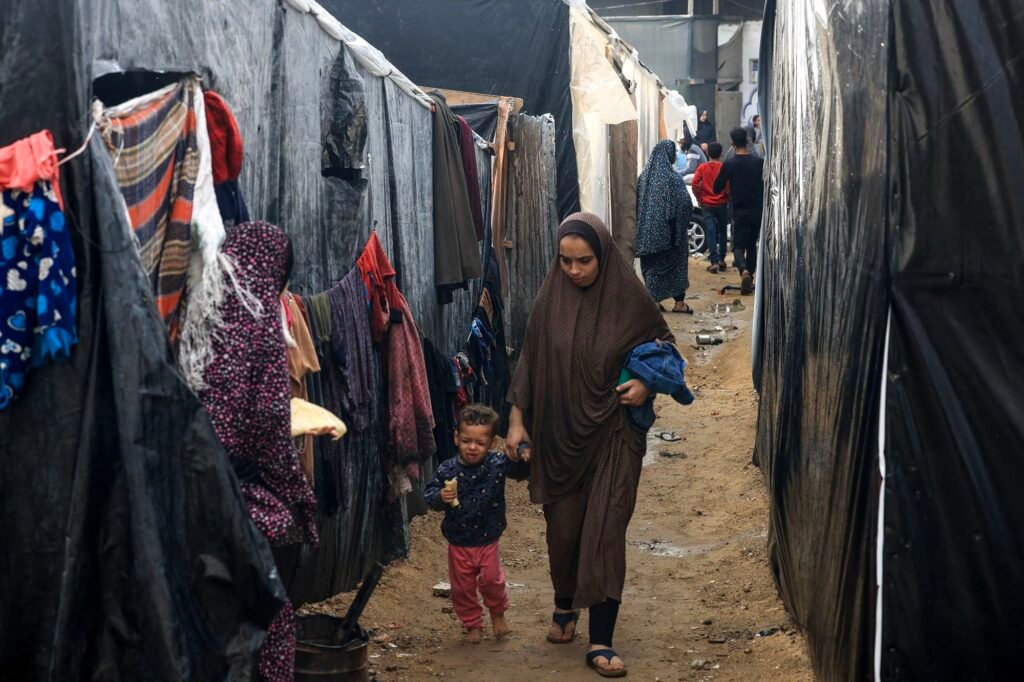
Gaza Herald_ Bringing a new child into the world in Gaza is no longer the natural and hopeful decision it once was. For many Palestinian families, pregnancy has become a journey overshadowed by fear and uncertainty, shaped by the unprecedented humanitarian and health crisis caused by Israel’s ongoing war on the besieged enclave.
Medical and human rights reports indicate a dramatic decline in birth rates across Gaza, driven by the destruction of the healthcare system, widespread malnutrition, mass displacement, and the severe psychological trauma endured by women living under constant bombardment and deprivation.
According to recent medical estimates and rights reports, birth rates in Gaza have dropped by approximately 41 percent during the war, a staggering decline that reflects the profound impact Israel’s assault has had on Palestinian reproductive health and family life.
Collapse of Gaza’s Maternal Healthcare System
Dr. Yasser Al-Aqqad, a specialist in obstetrics and gynecology, says the drop in birth rates is directly tied to the deterioration of medical services, particularly those related to pregnancy monitoring and maternal health care.
Speaking to local media, Al-Aqqad explained that many hospitals and clinics that once provided maternity and reproductive health services have been bombed or forced out of operation during Israel’s military campaign. As a result, the healthcare system’s ability to monitor pregnancies or treat complications has been drastically reduced.
Despite the collapse of medical infrastructure, the remaining hospitals continue to receive large numbers of patients every day. Doctors are frequently treating cases involving high-risk pregnancies, miscarriages, and newborns suffering from various health complications.
Al-Aqqad stressed that severe malnutrition, constant psychological stress, and the spread of disease in overcrowded displacement shelters have all contributed to the deterioration of pregnant women’s health, significantly increasing the risks associated with pregnancy and childbirth.
Rising Miscarriages and Premature Births
Health data further illustrates the scale of the crisis unfolding in Gaza. Medical reports indicate that thousands of miscarriages and premature births have been recorded over the past several months.
Healthcare institutions have also documented a sharp rise in babies born with low birth weight or requiring intensive medical care in neonatal incubators. This surge is occurring at a time when Gaza’s functioning hospitals face severe shortages of equipment, medication, and trained medical staff.
According to Al-Aqqad, the health conditions faced by women after months of war have changed dramatically compared to the period before the assault began. Many women now suffer from vitamin deficiencies, anemia, and hormonal imbalances, conditions that can directly threaten the stability of pregnancy.
Some patients are also experiencing serious infections and uterine complications, in addition to the profound psychological stress caused by war, forced displacement, and the loss of family members.
Pregnancy Under Siege
Beyond the medical crisis, pregnant women in Gaza are confronting extremely harsh living conditions that further complicate pregnancy and childbirth.
Estimates from international organizations indicate that tens of thousands of pregnant and breastfeeding women have been displaced during the war, while Gaza continues to suffer from severe shortages of food, medicine, and basic humanitarian supplies.
Humanitarian reports suggest that a large proportion of pregnancies in Gaza are now classified as high-risk, largely due to malnutrition, physical exhaustion, psychological stress, and the absence of consistent medical monitoring.
In many cases, women are forced to give birth under extremely difficult circumstances, inside overcrowded hospitals, emergency shelters, or even displacement tents, conditions that significantly increase the risk of complications for both mothers and newborns.
Life Inside Displacement Camps
Displacement has created additional hardships for pregnant women, particularly those forced to live in tents or crowded shelters.
These makeshift living spaces often lack proper ventilation and access to clean water. Insects, disease, and unsanitary conditions are common, making the environment deeply unsuitable for caring for pregnant women or newborn babies.
Humanitarian workers report that many families have become reluctant to consider having another child under such circumstances, especially as the ability to provide basic necessities continues to deteriorate.
The economic situation has also played a major role in this shift. Poverty and unemployment have surged to unprecedented levels, leaving many families struggling simply to secure daily food and medicine.
Potential Long-Term Demographic Consequences
Experts warn that if these conditions continue, the war’s impact on Gaza’s population structure could be profound and long-lasting.
In addition to the massive loss of life caused by Israel’s military campaign, the sharp decline in births, combined with rising miscarriages and premature deliveries, could lead to significant demographic changes in the years ahead.
Specialists caution that the destruction of Gaza’s reproductive healthcare system, together with the ongoing humanitarian catastrophe, may further worsen these trends unless urgent steps are taken to rebuild the medical sector and provide sustained support for Palestinian women and children.
Without such intervention, the war’s consequences may extend far beyond the battlefield, shaping the future of an entire generation in Gaza.

