Gaza Herald _As regional tensions escalate following the Israeli-US attack on Iran, the Gaza Strip has once again found itself caught in the fallout. While international attention shifts toward military developments across the region, Israel has tightened restrictions on crossings leading into Gaza, disrupting travel and complicating the flow of humanitarian aid and goods. This comes as residents are still struggling to recover from a devastating war that severely damaged the territory’s basic infrastructure and living conditions.
New Restrictions on Crossings
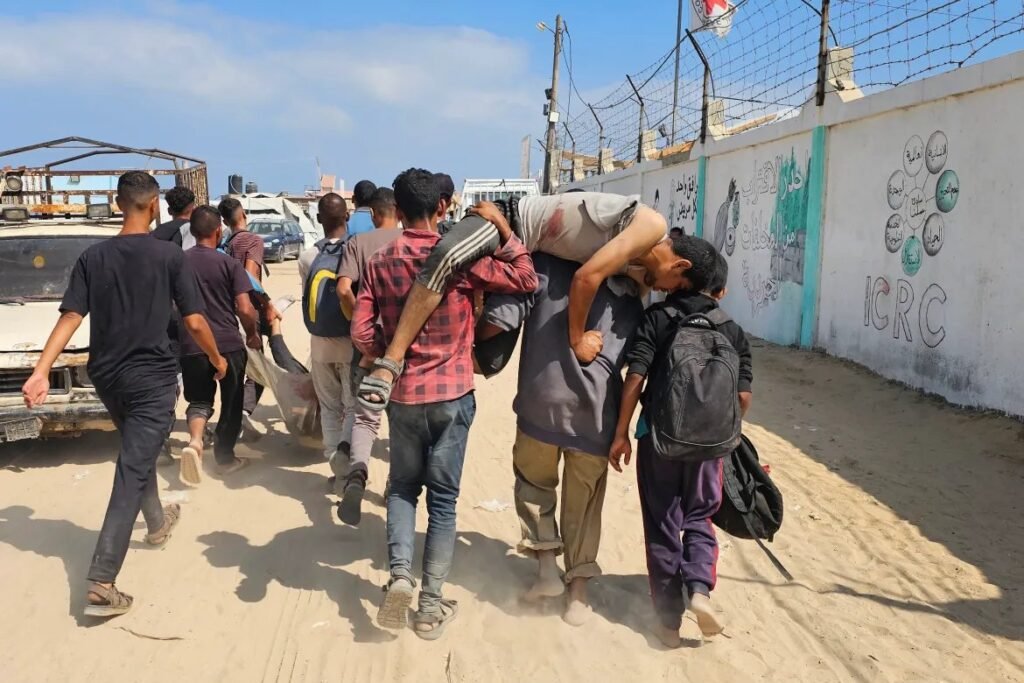
In the first days following the attack on Tehran, Israeli authorities shut down crossings surrounding the Gaza Strip, including the Rafah land crossing. The closures halted the travel of patients and wounded individuals and prevented trucks carrying humanitarian aid and essential supplies from entering the territory.
The move sparked widespread concern in Gaza, particularly as thousands of patients had been waiting for permission to travel abroad for medical treatment amid a health system already strained by severe shortages of medicines and resources.
According to data from Gaza’s Government Media Office, Israel has not complied with the humanitarian protocol regulating the operation of border crossings, placing the lives of more than 20,000 injured people and patients in urgent need of treatment abroad at risk.
After several days of closure and restrictions, Israel partially reopened the Kerem Abu Salem crossing two days ago, allowing limited numbers of trucks carrying aid and essential goods to enter.
However, the partial reopening has done little to ease the crisis. Local estimates suggest that the amount of aid entering Gaza remains far below the population’s needs, which are estimated at around 600 trucks per day.
Significant restrictions also remain on the entry of fuel and heavy machinery required to remove rubble and restore critical infrastructure, slowing and complicating recovery efforts across the territory.
Aid Operations Disrupted
The situation worsened after the World Central Kitchen announced it had suspended operations in Gaza due to the restrictions on crossings and the reduced number of aid trucks entering the territory.
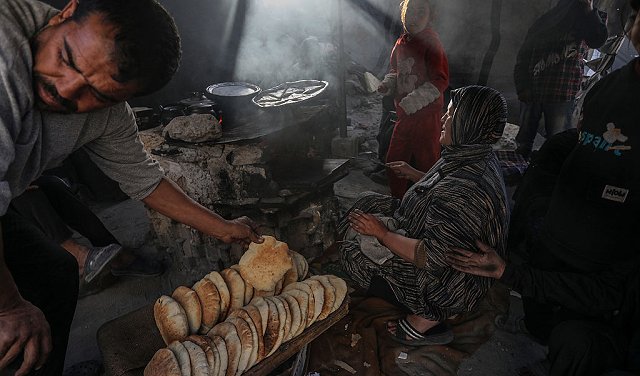
The organisation has been one of the main food providers for charity kitchens distributing daily meals to tens of thousands of families. Its suspension threatens to deepen the food crisis affecting large segments of the population, particularly as many residents remain displaced and have lost their sources of income.
Markets Under Pressure
The economic impact of the crisis quickly became visible in local markets. Within a short period, prices for many essential goods rose sharply, while some items disappeared entirely due to supply shortages.
A spokesperson for the United Nations Children’s Fund (UNICEF) said the prices of several essential commodities, including food and cleaning supplies, have increased significantly, sometimes by as much as 200 to 300 percent.
Residents have also begun rushing to purchase and store whatever food they can find in an effort to avoid potential shortages, especially after the severe hardships the territory experienced over the past year.
Severe Fuel Shortage
Fuel supplies have also been directly affected by the reduced imports. Prices for diesel and cooking gas on the black market have surged several times over, impacting transportation across the Gaza Strip.
The rising costs have forced some taxi drivers to stop operating, while the Gaza General Petroleum Authority warned that continued shortages of cooking gas could lead to a serious humanitarian and livelihood crisis.
Even before the latest developments, the territory had already been facing a major shortage of cooking gas—estimated at about 70 percent of its actual needs since the ceasefire.
A Fragile Economy Dependent on Crossings
Economic researcher Ahmed Abu Qamar said Gaza’s economy is highly vulnerable to any closure or restriction on border crossings because it relies almost entirely on imported goods.
He added that the continued closure of the Rafah crossing deprives Gaza of an important gateway that previously helped diversify the sources of incoming goods, leaving the territory increasingly dependent on the Israeli-controlled Kerem Abu Salem crossing.
Abu Qamar also noted that before the war, Gaza had food reserves sufficient for several months. However, the destruction of warehouses and storage facilities during the conflict significantly depleted these reserves, making markets today far more vulnerable to fluctuations and supply disruptions.
Renewed Psychological Impact
Beyond the economic and humanitarian challenges, the regional escalation has also had psychological consequences for Gaza’s residents.
Psychologist Abdullah al-Khatib said the current developments in the region are causing noticeable psychological stress among people in Gaza, especially amid widespread uncertainty and the closure of border crossings due to regional tensions.
Speaking to our correspondent, al-Khatib explained that the atmosphere is reviving traumatic memories for many residents, particularly those who lost relatives or homes during the most recent war on Gaza.
He added that even hearing words such as “bombing” or “war” can trigger renewed feelings of fear and helplessness.
According to al-Khatib, symptoms of anxiety are increasingly common among residents, including insomnia, tension, panic attacks, and a persistent sense of danger. Many people now live in a constant state of anticipation, as if another war could break out at any moment.
Under these circumstances, many Gazans fear that the regional escalation could divert international attention away from the situation in Gaza at a time when discussions about post-war recovery and political arrangements had begun to emerge.