Gaza Herald _Many Palestinians say they are worried that the widening conflict triggered by United States and Israeli strikes on Iran could divert international attention away from Gaza, where conditions remain fragile despite a recently negotiated ceasefire.
The concern comes shortly after international pledges worth billions of dollars were announced for Gaza’s reconstruction and renewed diplomatic efforts were made to stabilize the ceasefire. For many residents, however, the sudden escalation elsewhere in the region threatens to overshadow Gaza’s urgent humanitarian needs.
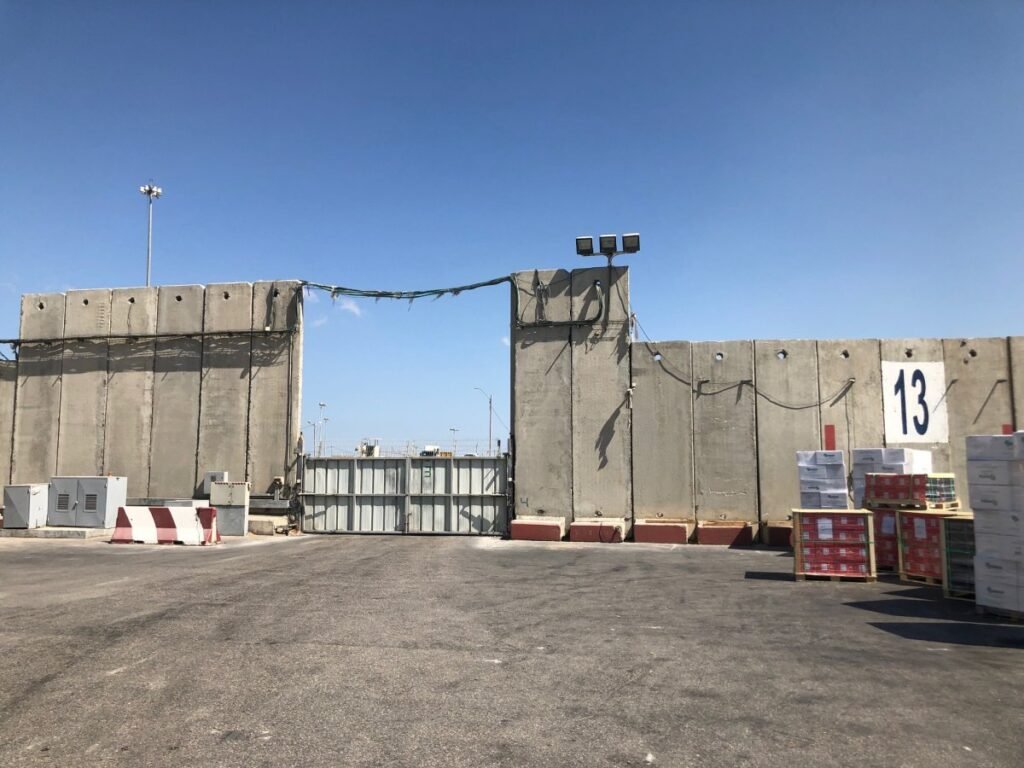
People across the territory say they fear that neglect and deprivation may deepen after Israel closed all border crossings following the weekend’s military escalation.
Gaza’s population of more than two million people lives in a devastated territory where access to food, medicine, and basic supplies already depends almost entirely on aid deliveries.
Border Closures and Rising Anxiety
Israeli authorities responsible for managing civilian affairs in Gaza announced the closure of crossings into the enclave, halting the movement of humanitarian personnel and supplies. Officials said the crossings could not safely operate while regional hostilities continued and would reopen once security conditions allowed.
At the same time, Israeli authorities claimed that enough food supplies remain inside Gaza for the time being, though aid groups have warned that available stocks could run out quickly if the closures continue.
The announcement immediately revived painful memories among Palestinians of last year’s severe shortages, when prolonged restrictions on supplies led to famine conditions in parts of the territory.
Many residents rushed to local markets, fearing another period of scarcity. Some areas of Gaza had previously been officially classified as experiencing famine after months of blockade and shortages.
“When the crossings close, everything stops in the markets,” said Osamda Hanoda, a resident of Khan Younis. “Prices go up immediately, and people are left struggling to survive.”
Panic Buying and Price Increases
During the recent ceasefire period, increased aid deliveries had slightly improved the flow of supplies into Gaza, though humanitarian agencies continued to warn that critical shortages persisted.
Now, with crossings closed once again, many families have begun buying and storing food out of fear that the situation could quickly deteriorate.
Reports from local markets indicate that the prices of essential items, particularly flour, have risen sharply within days.
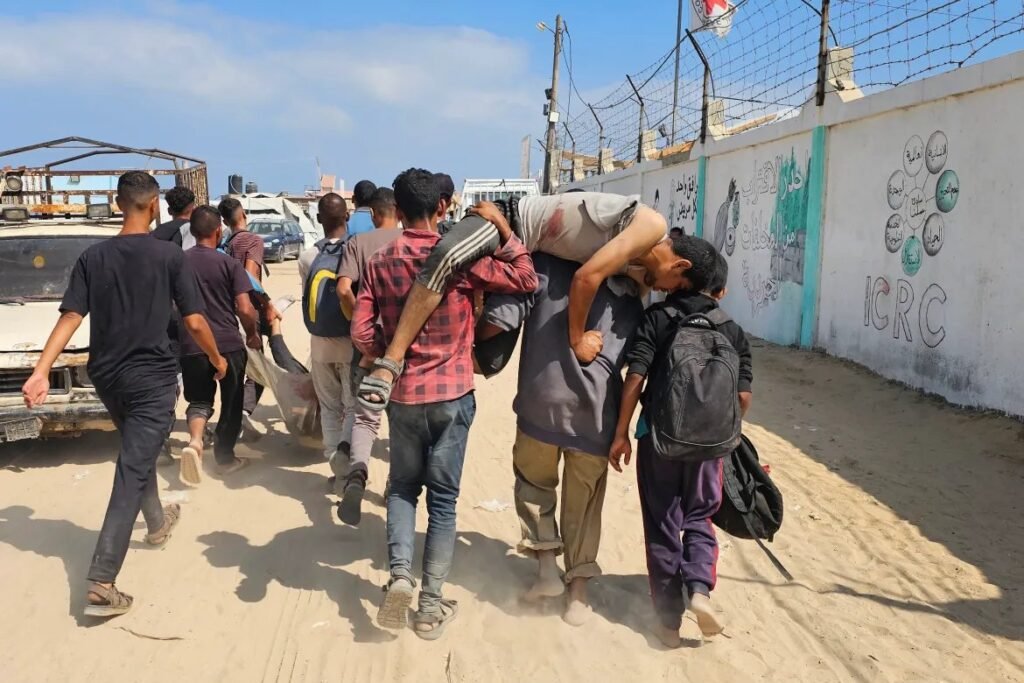
Families already displaced by the war say they are especially worried about securing basic necessities for their children.
“We are afraid we won’t find milk, diapers, or even food and clean water,” said Hassan Zanoun, a displaced father from Rafah.
It remains unclear when the crossings will reopen, as Israeli authorities remain focused on the escalating confrontation with Iran. Across Israel, air-raid sirens have repeatedly forced civilians to seek shelter amid fears of further escalation.
Ramadan Under Strain
The war in Gaza began after the October 7, 2023, attack on Israel and has been marked by strict limits on the movement of people and goods in and out of the enclave. These restrictions have affected not only food supplies but also the ability of injured Palestinians and medical patients to leave Gaza for treatment.
Just a month ago, the Rafah crossing on Gaza’s border with Egypt briefly reopened, allowing a small number of Palestinians to travel under tight restrictions. However, cargo shipments were still not permitted.
Now, with the crossings closed again, the disruption comes during the Muslim holy month of Ramadan, a period traditionally marked by fasting during the day and communal meals at sunset.
In recent weeks, images have shown Palestinians gathering at long communal tables set up among the ruins of bombed neighborhoods, sharing modest meals during iftar.
The latest escalation in the region has unsettled that fragile routine.
“When people heard about the explosions in Tehran, everyone rushed to the markets,” said Abeer Awwad, who was displaced from Gaza City. “People wanted to buy food and store whatever they could.”
Aid Groups Warn Supplies Are Running Out
Although the October ceasefire reduced the most intense fighting, Israeli military fire still occurs regularly across parts of Gaza.
Humanitarian agencies say there has been some improvement in food availability compared with earlier phases of the war, but hunger remains widespread.
Recent assessments indicate that many families still struggle to secure enough food, with some households surviving on only one or two meals a day.
One major humanitarian organization providing meals in Gaza warned that it could exhaust its food supplies within days if the crossings remain closed.
The group currently prepares around one million meals every day for Palestinians across the territory and stressed that constant deliveries of food are required to keep those kitchens operating.
Aid workers say the trucks carrying food and humanitarian supplies must be allowed to enter Gaza without delay in order to prevent another hunger emergency.
Global Attention Shifts
Humanitarian organizations acknowledge that maintaining global attention on Gaza has become more difficult as the regional crisis expands and fighting intensifies elsewhere in the Middle East.
While diplomatic efforts had recently focused on strengthening the Gaza ceasefire and rebuilding the territory, the new war involving Iran now dominates international headlines.
Even before this escalation, the ceasefire faced serious challenges, including unresolved political issues, questions over governance in Gaza, and the broader future of the territory.
Yet some residents say the shift in regional focus has produced one unexpected change on the ground.
With Israeli military attention partly redirected elsewhere, some areas near the dividing lines inside Gaza have experienced fewer explosions and less constant bombardment.
“The sound of blasts and demolitions has become less frequent near the dividing line,” said Ahmed Abu Jahl from Gaza City.
“Drones are still flying overhead,” he added, “but there are fewer of them now.”