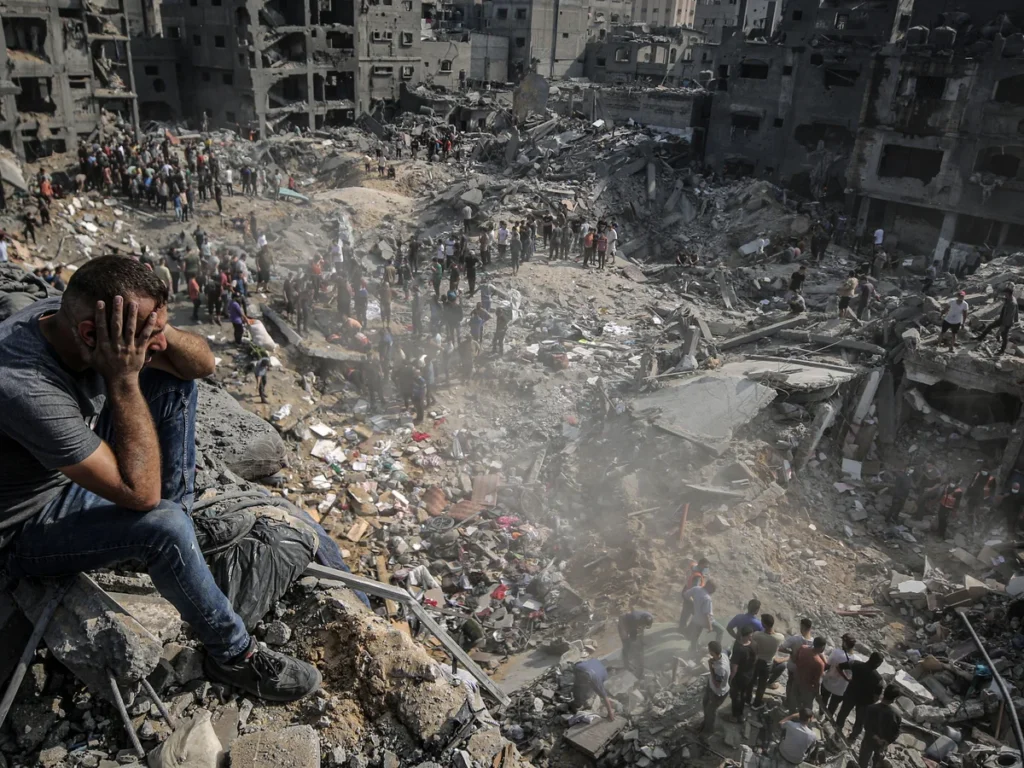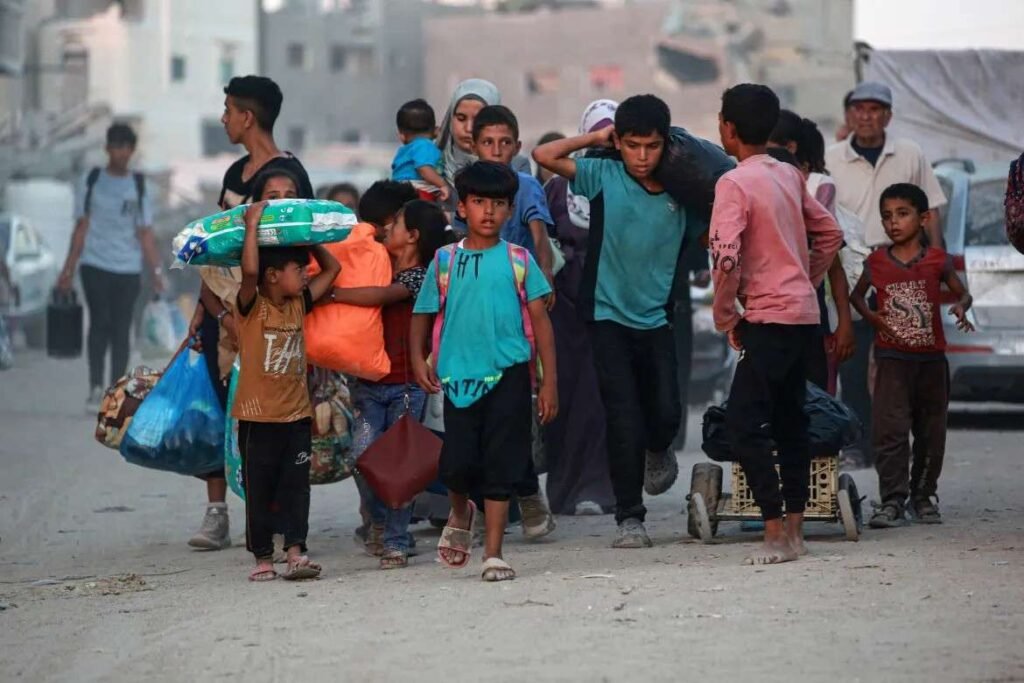
Gaza Herald – Gaza is sliding back toward disaster as Israeli restrictions, manifested in the closure of all crossings, including Rafah, choke critical humanitarian aid, threatening hunger, famine, and a deepening public health emergency.
Aid organizations report that essential food, fuel, and water supplies are stuck at crossings, while thousands of families face worsening living conditions after more than two years of Israeli genocide on the Gaza Strip.
Last week, 57 international aid workers were forced to leave the Strip following Israel’s ban on 37 NGOs, many of which provide life-saving medical services. Meanwhile, the World Central Kitchen suspended operations after its truck deliveries were cut from 25 to just five a day, leaving central kitchens and charitable food programs unable to feed tens of thousands of residents. UN food rations were already reduced in February from 75% to 50% of minimum daily calories.
The blockade has left roughly 1,500 tons of aid shipments spoiled or stranded at checkpoints, with water and fuel supplies dwindling dangerously. Gaza City alone has seen 85% of its water network incapacitated due to the Mekorot line remaining out of service for two months, with repair efforts delayed by Israeli restrictions.
Analysts warn that Gaza faces twin crises: widespread hunger and a catastrophic water shortage. Hospitals and field clinics are operating at partial capacity, while children suffering from severe malnutrition remain without adequate treatment. “The restrictions on aid are not just bureaucratic, they are life-threatening,” said Mustafa Ibrahim, a political analyst monitoring the Strip.
The Gaza Center for Human Rights reports that actual aid deliveries reach only 43% of agreed daily shipments, with fuel trucks covering less than 15% of the need, and Rafah crossing movement stalled at 40.3% compliance. With humanitarian lifelines constricted, Gaza stands on the brink of a renewed famine and deepening collapse of its essential services.