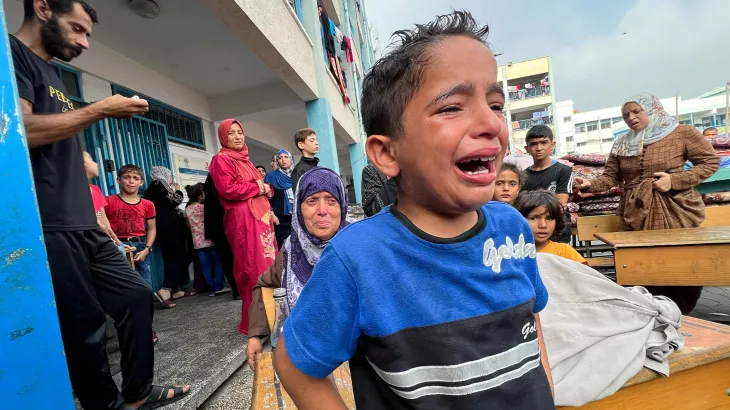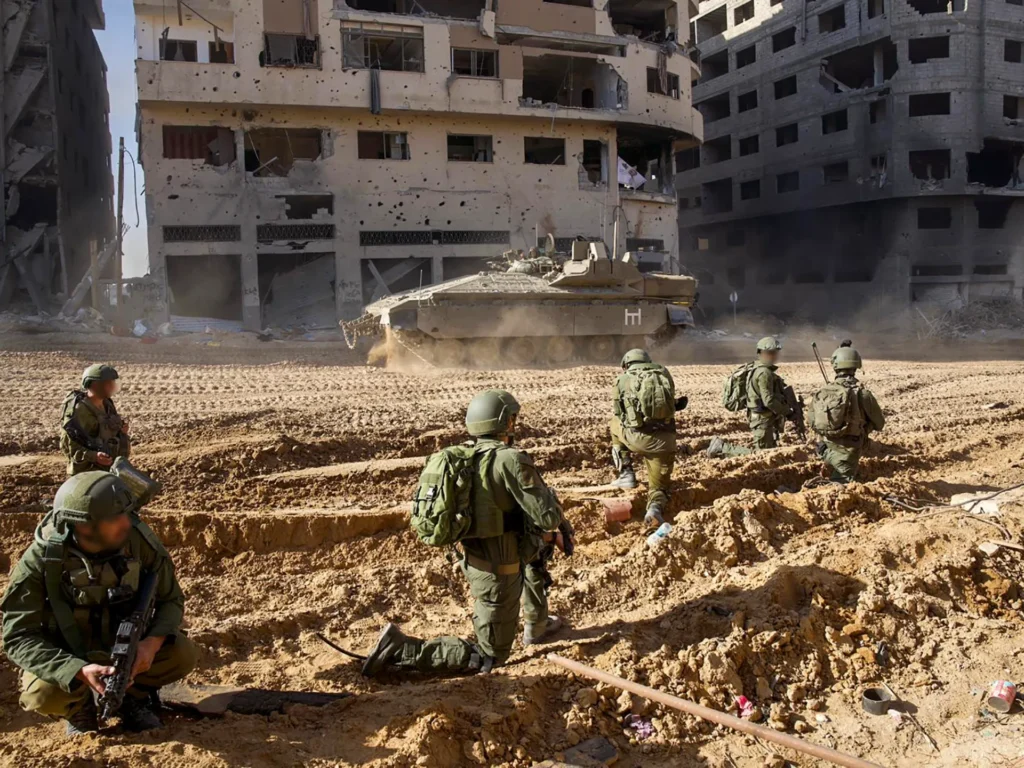
Gaza Herald- Israeli forces have continued to violate the Gaza ceasefire agreement for the 140th consecutive day, carrying out artillery and air strikes, demolitions, and live fire across multiple areas of the Strip, reinforcing a systematic pattern that undermines the core of the agreement.
According to local reports, Israeli artillery shelled eastern Zeitoun, southeast of Gaza City, while a large-scale demolition operation was carried out east of Khan Younis. Israeli military vehicles also opened fire in the Mawasi area of Rafah in the south. Additional artillery shelling and heavy gunfire were reported east of Gaza City and Khan Younis.
These developments come amid repeated Israeli attacks targeting residential areas, displacement camps, and civilian police sites. On the previous day, seven Palestinians, including a police officer, were killed and others injured after a displacement tent in Khan Younis was struck, alongside attacks on police positions in Khan Younis and Al-Bureij camp, and gunfire in Beit Lahia.
According to a monitoring report covering the first 138 days of the agreement, a total of 652 Palestinians have been killed, including 198 children, 85 women, and 23 elderly individuals—meaning vulnerable groups account for 46.9% of the victims. The number of injured has reached 1,669, including 507 children, 337 women, and 89 elderly people, representing 55.6% of the wounded.
Field documentation recorded 1,861 violations, averaging 13.4 breaches per day since the agreement came into effect. These include shootings, shelling, home demolitions, and incursions.
Regarding humanitarian aid, Israel has failed to meet the agreed entry of 600 aid trucks per day, including 50 fuel trucks. Only 43.3% of the agreed aid trucks have entered, while fuel deliveries reached just 15%, worsening electricity, water, and sanitation crises and hindering infrastructure repairs. A total of 35,867 trucks have entered, averaging 259.9 trucks daily—far below the agreed threshold.
At the Rafah crossing, strict restrictions remain in place, with only 1,844 travelers recorded entering and exiting out of an expected 4,400, reflecting a compliance rate of just 41.9%.
These figures indicate a cumulative pattern of violations, including unlawful killings, targeting of civilian infrastructure, obstruction of humanitarian aid, and restrictions on movement. Under international humanitarian law and the ceasefire agreement, these actions place legal responsibility on Israel and underscore the urgent need for international intervention to halt violations and ensure civilian protection.