Gaza Herald_Thousands of Palestinian families across Gaza are facing renewed fears of hunger after the World Central Kitchen announced it will suspend its cooking operations in the besieged territory starting Friday. For many displaced civilians, the daily meals provided by the humanitarian organization had become one of the last dependable sources of food amid widespread devastation, unemployment, and economic collapse caused by the ongoing war.
Since November 2023, the organization has delivered more than 272 million meals to Palestinians struggling to survive under siege conditions. Its suspension now raises urgent concerns about worsening food insecurity, particularly as humanitarian access remains severely restricted, and living conditions continue to deteriorate.
Gaza’s Government Media Office said the decision comes amid mounting Israeli restrictions that have sharply reduced the entry of humanitarian supplies. Officials reported that the number of aid trucks allowed into Gaza has been cut from 25 per day to just five, dramatically limiting the availability of essential food ingredients. The organization has also reportedly been forced to rely on more expensive and limited supply channels, further undermining its ability to maintain operations.
Officials warned that Gaza is on the brink of a deepening humanitarian disaster if aid restrictions persist, placing responsibility on Israeli authorities for limiting the flow of life-saving supplies into the territory. They stressed that continued obstruction threatens the basic survival of hundreds of thousands of civilians already living in extreme hardship.
For displaced families, the loss of daily meals represents more than just the absence of food; it represents the disappearance of one of the few remaining lifelines. In a displacement tent west of Gaza City, Umm Mohammad Miqdad, a mother of five, described the meals as a source of emotional and physical survival.
“That meal meant everything,” she said. “It meant my children could sleep without hunger. Without it, I don’t know how we will survive.”
With no income and soaring prices, many families say even basic food items have become unaffordable. Parents describe being forced to ration bread, borrow money, and endure constant anxiety about their children’s next meal.
In northern Gaza, Abu Alaa Al-Deeb said his family relied on the kitchen’s meals to make it through each week. “Those meals helped us survive,” he explained. “Without them, we face hunger and debt. The food exists in the market, but it is far beyond our reach.”
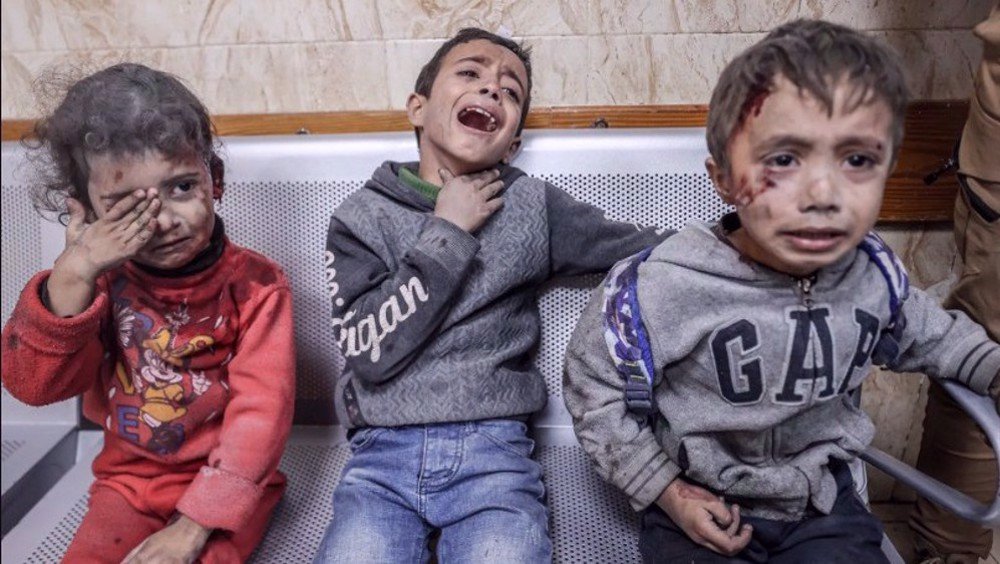
Parents also fear the long-term consequences for their children’s health. In Khan Younis, Hanaa Abu Nasr, the mother of an infant, said the loss of nutritious meals could affect her child’s growth and development.
“I fear my children will grow up thinking hunger is normal,” she said.
As humanitarian operations falter under mounting restrictions, families across Gaza are left confronting an increasingly uncertain future, where even the most basic necessity, food, can no longer be guaranteed.