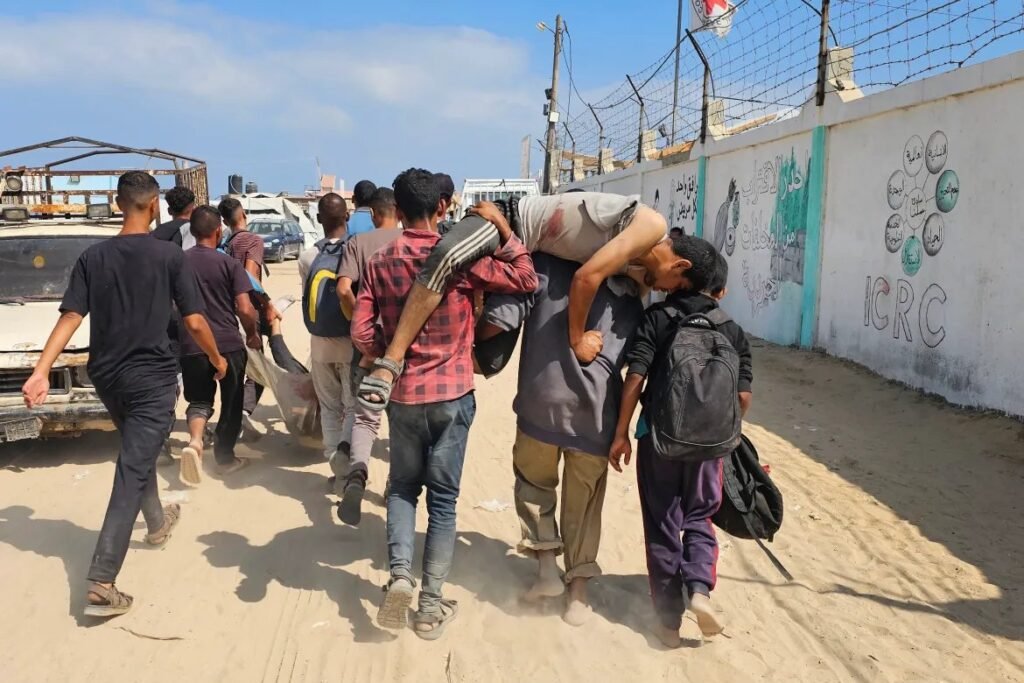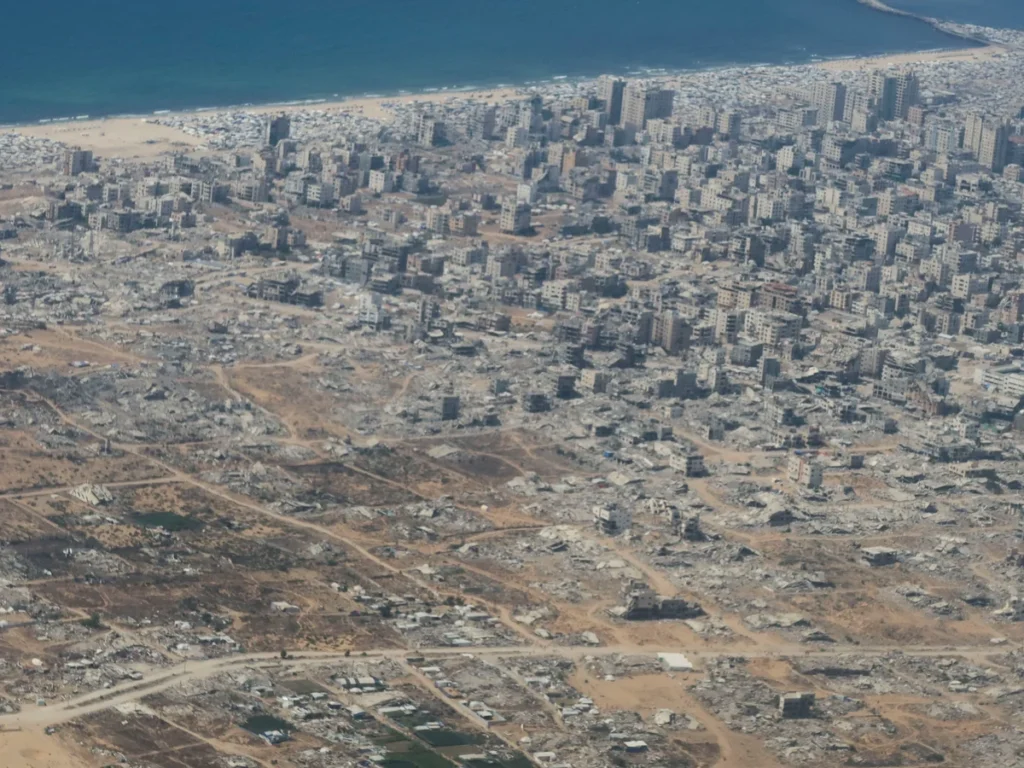
Gaza Herald_ United Nations Secretary-General António Guterres has issued one of his starkest warnings yet, describing the humanitarian situation in the Gaza Strip as “catastrophic” and rapidly deteriorating. According to a new UN report, more than 80 percent of Gaza’s residential and public buildings have been destroyed or rendered uninhabitable by months of relentless Israeli airstrikes.
Guterres cautioned that the combination of ongoing violence, systemic impunity, and accelerating colonial expansion across the occupied Palestinian territories is pushing the region toward further instability.
“Massive Civilian Casualties” and Systemic Destruction
In the UN assessment, the Secretary-General said Israeli bombardment continues to inflict staggering civilian losses and has devastated nearly every facet of Gaza’s infrastructure, from homes and hospitals to schools, water networks, and roads.
He expressed alarm at the fragile and volatile security environment, warning that persistent Israeli violations threaten the already-precarious ceasefire that has been in place since October 11.
Despite a slight increase in food deliveries, Guterres noted that this has provided no meaningful relief for civilians, as essential protein sources remain out of reach due to scarcity, soaring prices, and supply restrictions imposed by Israeli authorities.
Demand for Accountability and End to Impunity
The Secretary-General underscored the urgent need for full accountability for atrocities and grave violations of international law, stressing that decades of impunity have emboldened repeated abuses and undermined all prospects for justice, stability, and peace.
14 Palestinians Die as Floodwaters Collapse Homes in Besieged Gaza
As winter tightens its grip, hundreds of thousands of displaced Palestinians remain trapped in fragile tents that offer little protection from deadly storms and freezing temperatures.
Local authorities reported that 14 Palestinians were killed after floodwaters and strong winds caused already-damaged buildings, shattered by earlier Israeli strikes, to collapse on top of families seeking refuge.
Israeli occupation forces continue to block the entry of mobile homes, prefabricated shelters, and critical winter materials, leaving displaced civilians exposed to rain, cold, and rising floodwaters.
Although the ceasefire agreement requires 600 aid trucks a day to enter the Strip, Israel has allowed no more than 200, creating severe shortages and leaving essential needs unmet.
Arab and Islamic Ministers Reaffirm UNRWA’s Crucial Role Amid West Bank Escalation
Shifting to the occupied West Bank, Guterres condemned Israel’s expanding colonial enterprise, reaffirming that all settlements are “illegal, null and void, and a flagrant violation of international law.”
The UN chief noted that 2025 saw the largest surge in settlement construction plans ever recorded since UN monitoring began.
He warned that violence by armed Israeli settlers, described as illegal paramilitary groups by multiple rights monitors, has sharply escalated, particularly during the olive harvest season. These attacks, he said, have further inflamed tensions and deepened Palestinian vulnerability.
A Direct Threat to Regional Stability
Guterres concluded that Israel’s relentless settlement expansion, its routine use of excessive force, and its systematic violations in both Gaza and the West Bank now pose a direct and growing threat to the stability of the entire region. He called on the international community to act without delay, by stopping the escalating violence, safeguarding Palestinian civilians who continue to bear the brunt of these policies, and enforcing international law through real accountability rather than empty statements.