GazaHerald – The Zeitoun neighborhood of Gaza City has become the epicenter of escalating violence as Israeli occupation forces intensify their assault, targeting one of the largest and most densely populated areas of the city.
Over the past few hours, violence has escalated in the Zeitoun neighborhood of Gaza City, following a series of clashes between Israeli forces and Palestinian resistance fighters. Despite the imposition of a publication ban by the Israeli military censor, Israeli media reported the incident as one of the most difficult security confrontations since the start of Operation “al-Aqsa flood” on October 7, 2023.
According to Israeli reports, one soldier was killed and 11 others were seriously injured, while the army fears that four additional soldiers may have been captured by resistance fighters. In a separate incident, an explosive device detonated on a “Namer” vehicle, wounding seven soldiers, three of whom are in critical condition. The Israeli occupation army reportedly activated the so-called “Hannibal Protocol” to prevent the capture of its soldiers. Hebrew media noted that troops have begun withdrawing from the ambush area in Zeitoun and returning to barracks.
Weeks of Bombardment Devastate Zeitoun Neighborhood
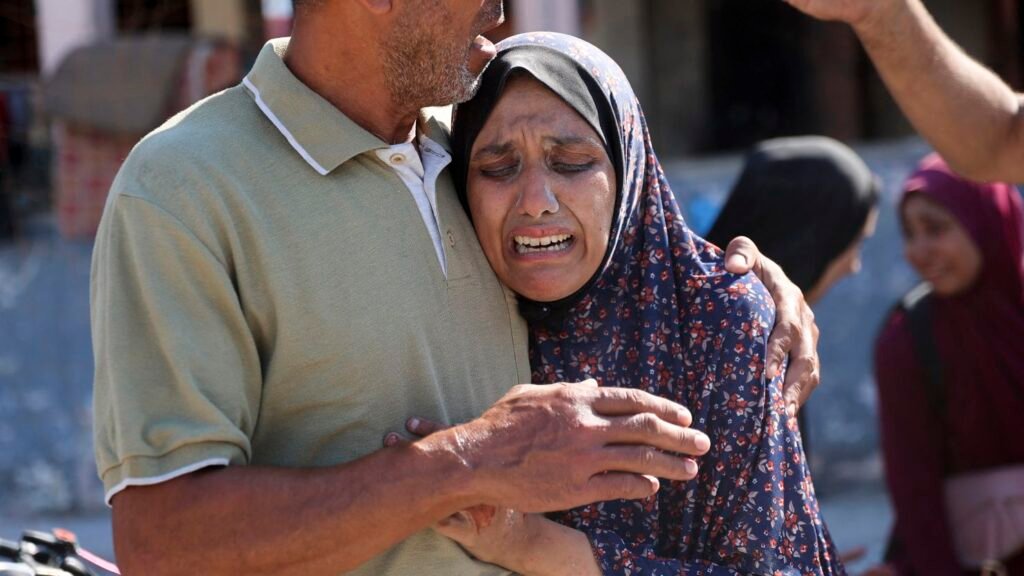
The Zeitoun and neighboring Sabra neighborhoods have been the focus of intensive resistance operations. Zeitoun, one of the largest neighborhoods in southeastern Gaza City, has endured weeks of military activity, including continuous shelling and the demolition of homes, which has displaced families and caused massacres of civilians trapped inside.
Southern Zeitoun borders the Gaza Valley, also called the Netzarim Axis by Israel, which remains under strict Israeli control. Palestinians are prohibited from settling or traveling there, except to receive what Israel claims is American aid.
Palestinian Civil Defense spokesman Mahmoud Basal confirmed that the Israeli occupation army has carried out concentrated operations in Zeitoun, including the destruction of hundreds of homes with high-explosive bombs intended to inflict maximum casualties on occupants. Satellite images published by the New York Times show the scale of destruction: buildings that were intact on August 8 were reduced to rubble just 17 days later, with tents completely obliterated.
Although the Israeli government has announced plans for a full-scale assault on Gaza City, most neighborhoods have yet to see a ground invasion. Current military activity remains concentrated in Zeitoun, with daily advances by tanks and airstrikes targeting residential areas, alongside repeated evacuation orders. Satellite assessments suggest that the destruction in Zeitoun mirrors devastation in other heavily bombarded areas, including Rafah in southern Gaza and Beit Hanoun in the north.
The Israeli occupation army also announced last week that 60,000 additional reserve soldiers have been called up, with plans to extend the service of another 20,000, signaling preparations for a large-scale invasion of Gaza City.
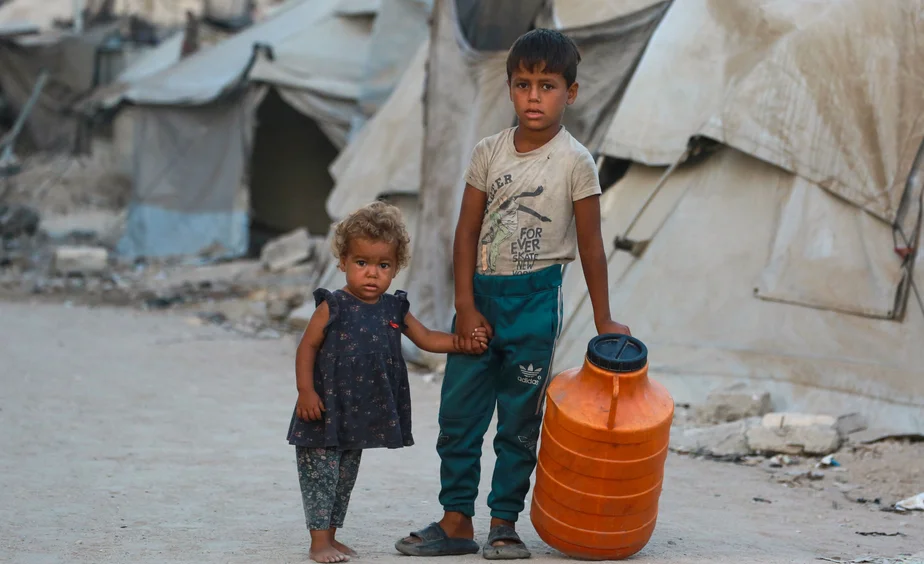
Heavy Israeli airstrikes, bombings, and gunfire have been ongoing in the Zeitoun and Sheikh Radwan neighborhoods since this morning’s dawn. Explosions can be heard across southeastern Gaza City, while civilians continue to flee northern areas under severe duress, often without a clear destination as safe zones shrink daily. Although Israeli occupation forces insist that residents must evacuate, many Palestinians report their unwillingness to leave their homes once more.
Since the beginning of August, the Israeli occupation army has launched a large-scale attack on the Zeitoun neighborhood, including the demolition of homes using booby-trapped robots, artillery shelling, indiscriminate gunfire, and forced displacement, as part of a broader plan to reoccupy the remainder of the Gaza Strip. On August 8, the Israeli security cabinet approved a plan proposed by Prime Minister Benjamin Netanyahu to gradually reoccupy the entire Gaza Strip, starting with Gaza City.
Israeli attacks continue across the Strip, leaving more dead and wounded amid catastrophic humanitarian conditions and a severe shortage of basic services. An analysis of satellite imagery conducted by Adi Ben-Nun of the Center for Geographic Information Systems at the Hebrew University revealed that at least 36,000 buildings in Gaza City have been destroyed over the course of the ongoing Israeli war, which has lasted approximately 23 months. This represents roughly 80 percent of the total number of buildings that existed before the assault.