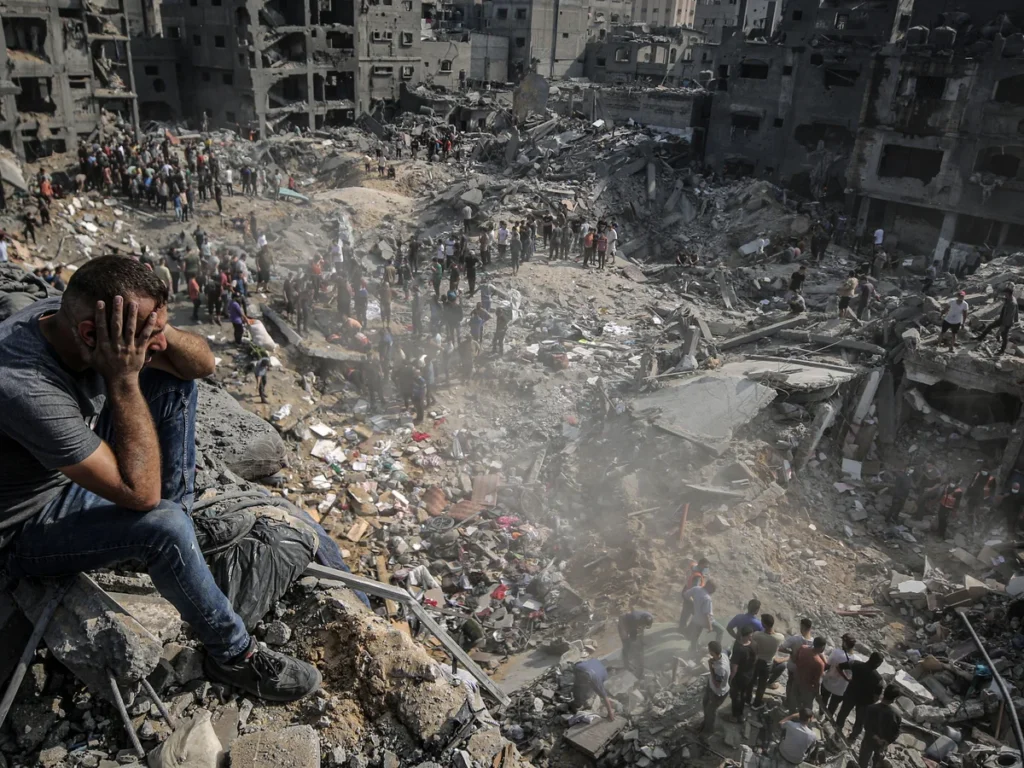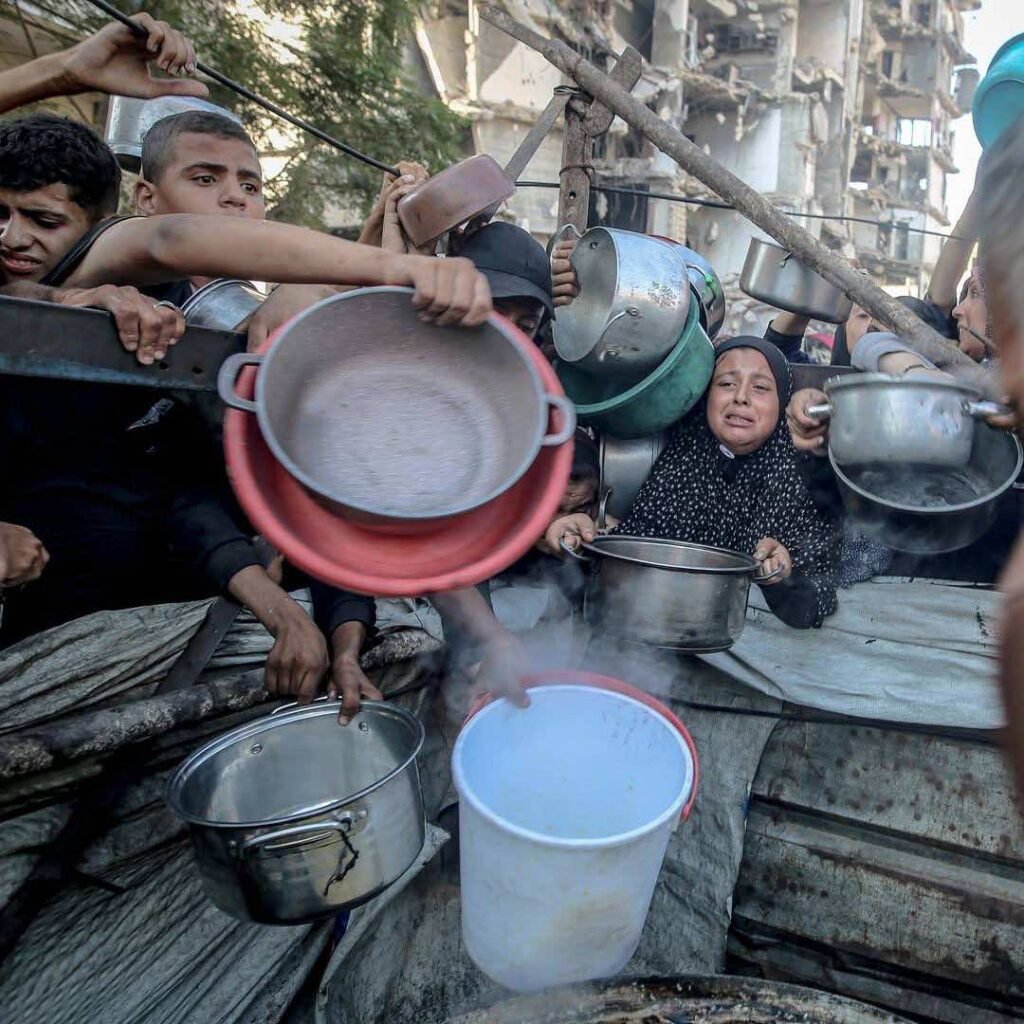
Gaza Herald — “I believe we have entered the third stage of famine in the Gaza Strip. Malnutrition is claiming the lives of our patients despite our efforts to save them,” said Dr. Mohammed Abu Salmiya, Director of Al-Shifa Medical Complex, in urgent remarks to Al Jazeera Arabic. His warning comes as the humanitarian crisis in Gaza intensifies, with Israeli forces continuing their military onslaught and enforcing a crippling blockade.
Since dawn today, at least 62 Palestinians have been killed across the Strip, including 19 individuals who were attempting to receive aid. The Palestinian Ministry of Health reports that more than 60,000 Palestinians have been killed since the beginning of Israel’s assault on Gaza.
Dr. Abu Salmiya described the medical and nutritional situation as catastrophic and worsening by the hour. Gaza is facing an “extremely dangerous” phase, with hospitals operating under unbearable conditions and medical supplies on the verge of depletion. Al-Shifa Hospital alone is operating at over 250% of its bed capacity. Supplies of anesthesia are expected to run out in the coming days, and critical nutritional products for both adults and children are virtually nonexistent.
The impact of the famine has been most severe on children. At least 147 people, including 88 children, have died from hunger and malnutrition. Over 17,000 children are now in a state of full-blown malnutrition. The rate of child deaths is accelerating as Gaza’s population descends deeper into hunger.
“Hospitals no longer have what it takes to keep premature babies alive,” Abu Salmiya said, noting that pediatric hospitals are overwhelmed with thousands of starving patients. Children cannot withstand long periods without food or water and are highly susceptible to disease. Outside hospitals, families have resorted to boiling herbs in desperation to substitute for basic nutrition.
Daily, Al-Shifa receives at least 10 new cases of severe malnutrition and exhaustion in people over age 13. Even those who survive injuries face further suffering due to the lack of food needed for recovery. The condition of wounded patients is described as “tragic,” with no access to high-protein or vitamin-rich foods essential for healing.
Approximately 12% of all patients at Al-Shifa suffer from severe malnutrition, while nearly 25% are moderately to severely malnourished. Despite limited efforts by the Ministry of Health to distribute special supplements to children under 8, the available stock is woefully insufficient. Patients and the wounded urgently require intravenous nutrition, amino acids, concentrated glucose, and high-calorie foods to survive.
“There is a dire and immediate need for medical evacuations,” Abu Salmiya stressed, especially for those with complex brain and spinal injuries. The lack of surgical equipment and technologies makes life-saving operations impossible within Gaza’s besieged hospitals.
The director emphasized that the famine is not incidental but deliberate. He accused Israel of using starvation as a weapon of war by blocking aid, closing crossings, and preventing the entry of baby formula, food, and medical essentials. He warned that if the blockade is not lifted and aid allowed in immediately, the number of deaths will skyrocket in the coming days.
For over 150 consecutive days, the Strip has been cut off from vital supplies. Dr. Abu Salmiya stated that Gaza needs at least 600 relief trucks daily, including 250,000 cartons of baby formula each month, just to meet minimum needs. The only radical solution, he said, is a complete and immediate lifting of the blockade.
The United Nations Relief and Works Agency (UNRWA) recently confirmed that malnutrition among children under five has doubled between March and June due to Israel’s siege. With all crossings shut and aid convoys halted, UN agencies have been rendered helpless. This is now widely recognized as the worst humanitarian crisis Palestinians have ever faced.
The ongoing famine is unfolding in tandem with a brutal military campaign that has left hundreds of thousands dead or wounded. Bombings continue to target homes, hospitals, and displacement camps, compounding the suffering of a population already trapped in a man-made famine.
In a final plea, Dr. Abu Salmiya called on international and humanitarian organizations to intervene immediately. “We need nutritional supplements, medicines, baby formula, and basic food supplies, flour, rice, and vegetables, before it’s too late,” he urged.