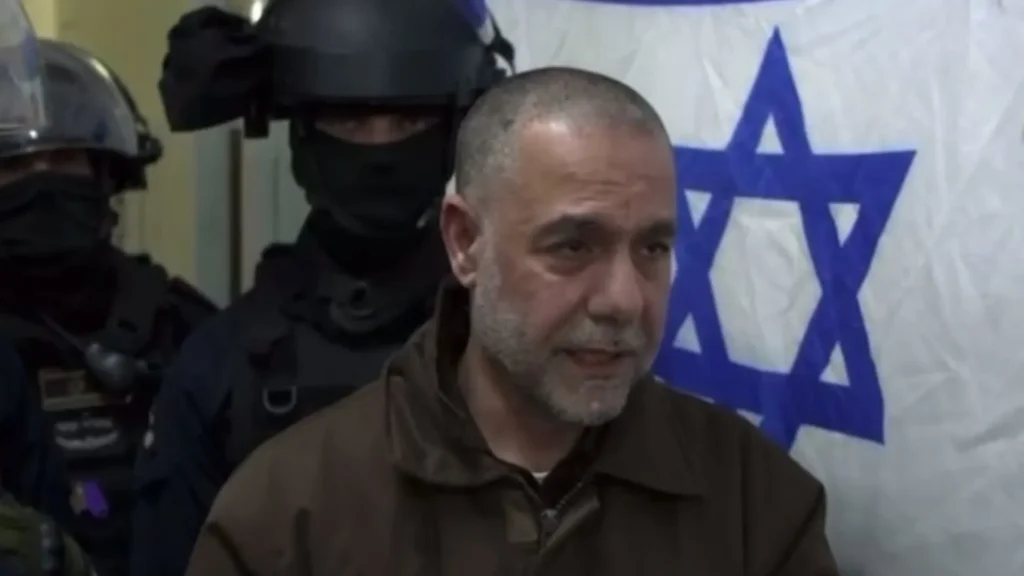
GazaHerald – In a dim, underground cell without sunlight, doctor Hussam Abu Safiya, the former director of Kamal Adwan Hospital in northern Gaza, sits in solitary confinement. He is thin, barely 60 kilograms, and still dressed in winter clothes. He knows nothing of the outside world. Denied proper food, medical care, and basic human dignity, he survives on two spoonfuls of rice a day.
Once hailed as “the Hippocrates of Gaza,” Abu Safiya has become one of the most harrowing examples of what Palestinian detainees are enduring under Israeli custody since the start of the war.
According to his lawyer, Gheed Kassem, the doctor has suffered routine torture and severe physical abuse since his arrest. “He has visible bruises on his head, ribs, and back. When he asked for medical help after his heart began beating irregularly from the beatings, they denied him treatment,” she said.
Kassem described the conditions in Ofer military prison, where 450 Gaza detainees are held, as “catastrophic.” “Prisoners are fed only two spoonfuls of rice a day. Sugar and salt are banned, not for nutritional reasons, but to suppress even the slightest rise in the happiness hormone.”
But Abu Safiya’s suffering did not begin in prison; it began in the war zone he refused to leave.
A Pattern of Death Behind Bars
Since his arrest, Abu Safiya has been classified as an “unlawful combatant” by Israeli authorities, a designation that strips him of legal protections and due process.
“There’s no indictment, no charges. He is a civilian doctor,” Kassem emphasized. “But under Israeli law, this status allows them to treat him as if he has no rights.”
The cruelty is not limited to physical abuse. Kassem described extreme psychological torture: detainees are shown graphic images, fed false information about their families’ deaths, and left to languish without hope. “The first question every prisoner asks me is whether their family is still alive,” she said.
Lawyers, too, face dehumanizing conditions. Visits must be scheduled four months in advance, are often canceled at the last moment, and detainees are brought to meetings crawling in handcuffs, sometimes after being beaten along the way. “And if the jailers sense that the visit lifted the prisoner’s morale, they punish him afterward,” Kassem revealed.
Dr. Abu Safiya’s case is not isolated. Since October 2023, at least 74 Palestinians have died in Israeli detention, according to the Palestinian Prisoners’ Affairs Commission.
The most recent was 53-year-old Samir al-Rifai, a father of five from Jenin, who died just seven days after his arrest. He reportedly had chronic heart issues and was denied critical care. Another death in May, that of 60-year-old Mohyee al-Din Fahmi Najem, similarly exposed what rights groups have called a system of “deliberate and systematic medical neglect.”
Kassem says this is now standard: torture, hunger, and humiliation are no longer exceptions but policy. “This is how they break people, not just physically, but in spirit.”
He Wanted the World to See What It Means to Be a Doctor in Wartime
Born in 1973, Dr. Hussam Abu Safiya, known affectionately as “Abu Elias,” was a pediatrician who took over leadership of Kamal Adwan Hospital after its former director was killed in an Israeli strike.
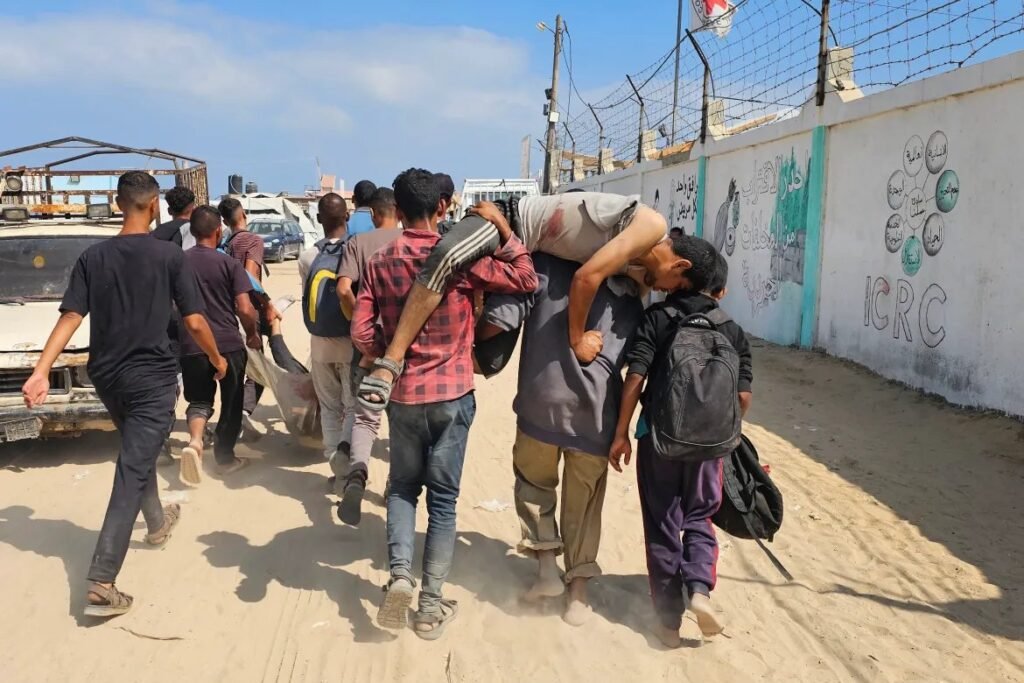
As bombs fell and hospitals became battlegrounds, many medical personnel were forced to evacuate or fled for safety. Abu Safiya stayed. Even after he was wounded, even after his son Idris was injured, and even after his other son, Ibrahim, was killed, a child he buried with his own hands inside the hospital.
“They burned my heart,” he said at the time, speaking of his son’s death. Yet, he kept treating children and the wounded, refusing to leave newborn babies behind even under threat of a military raid.
His appeals were heard on networks like Al Jazeera, where he repeatedly demanded that Israeli forces stay away from hospitals and condemned the silence of the international community.
According to his wife, Alina, he was deeply shaken by the plight of Gaza’s children, many of whom died in his arms as supplies dwindled and the outside world remained unmoved. “He could not save them,” she said. “And it broke him.
In his final interview before being taken, Dr. Abu Safiya said he wanted the world to understand what it means to be a doctor in a war zone. But now, his voice has been silenced.
Still, his story speaks, a story of courage, loss, and the price of compassion under occupation. A story that reveals not only the brutality of war but also the inhumanity of its aftermath.
“He stayed with the children,” his wife said quietly. “Even when the world walked away, he didn’t.”