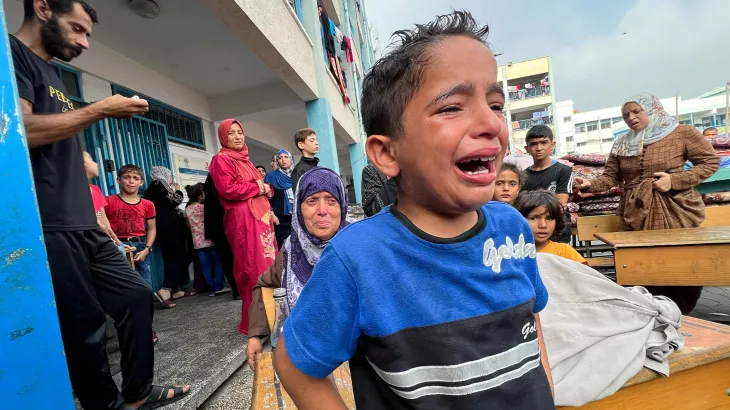
GazaHerald – While Israeli airstrikes continue to bombard Gaza’s aid camps and refugee tents, the ceasefire agreement that was promised is still elusive. Despite repeated claims by U.S. President Donald Trump that a deal is near, the reality on the ground speaks of delays, obstructions, and continued bloodshed.
More than two weeks after Trump confidently stated that an agreement was “close,” Qatari Foreign Ministry spokesman Majid Al-Ansari clarified that while negotiations were indeed ongoing, there was no deadlock.
He added that new ideas had been introduced into the talks, keeping the process alive. However, the absence of a declared deadlock should not be mistaken for progress; on the contrary, the persistence of vague optimism reinforces a growing conviction among observers: Israeli Prime Minister Benjamin Netanyahu is deliberately stalling.
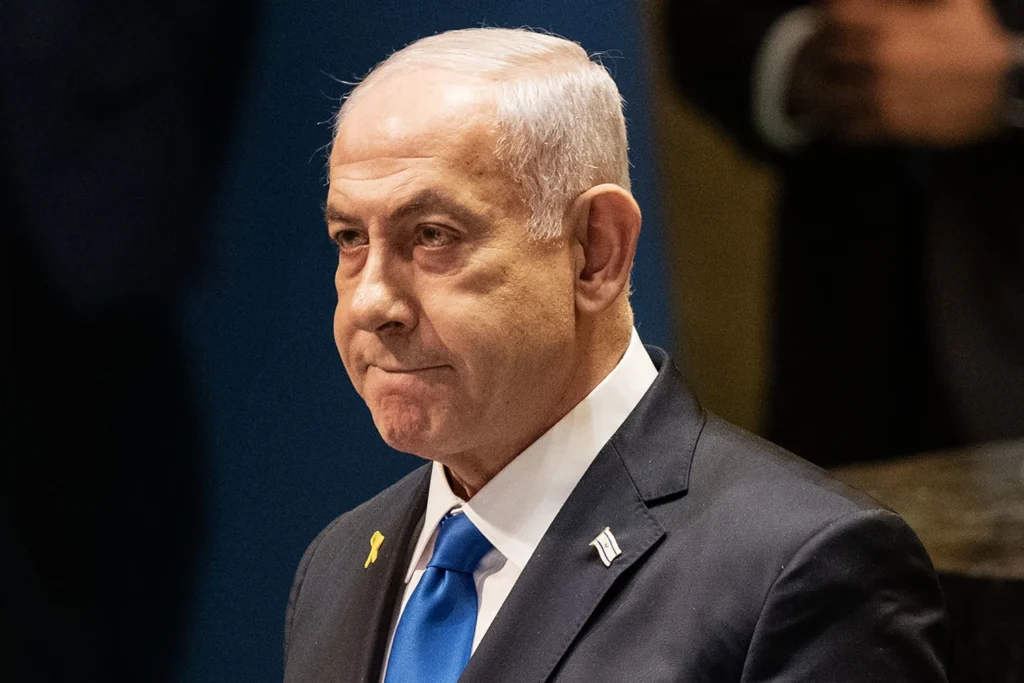
As Netanyahu faces mounting legal troubles and international condemnation, including a warrant issued by the International Criminal Court, he continues to entrench his hardline stance. According to sources close to the talks, Netanyahu is buying time by adding new conditions and delaying any real movement toward an agreement.
Meanwhile, a significant diplomatic meeting is set to take place in Washington. U.S. President Trump is scheduled to host Qatari Prime Minister Sheikh Mohammed bin Abdulrahman Al Thani at the White House this evening to discuss the framework of a potential ceasefire. The meeting comes as negotiations resume in Doha, with delegations from both the Israeli occupation and Hamas present.
The proposed deal, backed by the U.S., involves a 60-day ceasefire, the staged release of detainees, and a partial withdrawal of Israeli forces from Gaza. Central to the discussion are three main pillars: the uninterrupted flow of humanitarian aid, the withdrawal of occupation troops, and the establishment of a permanent ceasefire.
Hamas: Flexibility and Commitment to Ending the Aggression
Throughout this difficult and drawn-out process, Hamas has consistently expressed its commitment to a just and comprehensive agreement. In an official statement, the movement said it “affirms its pursuit of a comprehensive agreement that would end the aggression, secure the entry of aid, and alleviate the worsening suffering in the Gaza Strip.” The statement also emphasized Hamas’s flexibility and “keenness to ensure the success of the ongoing efforts.”
For Hamas, the goals are clear: an end to the aggression, relief for a devastated population, and a political solution grounded in Palestinian dignity and survival. Acknowledging the complex nature of the negotiations and Israel’s intransigence, Hamas leadership reiterated that they are “working positively with the mediators to overcome the obstacles and end the suffering of the Palestinian people.”
Taher al-Nunu, a senior Hamas official, echoed this in his remarks, saying, The movement is showing great flexibility in the ongoing negotiations in Doha and is responding to the mediators. Hamas has agreed to release 10 Israeli prisoners held in Gaza to ensure the flow of aid and a halt to the aggression.”
This offer, described by a U.S. official as a significant step forward, has reportedly provided a workable basis for an agreement. “It could provide the basis for a deal,” the American source said, “especially on the detainees and a temporary ceasefire.” Yet, as an Israeli official told Reuters, “It depends on Netanyahu.”
Hamas accuses Netanyahu of deliberately thwarting the efforts of international mediators. His ongoing maneuvers reflect a calculated political strategy: avoid an agreement, prolong the destruction, and reshape Gaza through military force. By clinging to military control over cities in Gaza, Netanyahu is not merely resisting diplomatic pressure; he is actively laying the groundwork for ethnic cleansing and long-term land seizure.
Netanyahu’s Delays Driven by Political Survival, Not Peace
Insiders believe that Netanyahu is dragging negotiations through July in hopes of reaching the end of the current Knesset session. Surviving until the recess could protect his fragile coalition, even if far-right parties like those led by Itamar Ben-Gvir and Bezalel Smotrich threaten to walk out.
In this way, Netanyahu uses the ceasefire talks not as a path to peace but as a tool of political theater. If a prisoner exchange deal is reached, he is expected to present it as a personal victory in his upcoming election campaign. The goal: to portray himself as a courageous leader who took a difficult decision for the sake of the abductees, even in defiance of the far right, a narrative designed to woo center-right voters and prevent the opposition from securing a majority.
This political calculus comes at the cost of Palestinian lives and regional stability. Netanyahu’s priority, many now say openly, is not ending the war but ensuring his own political survival.
Even within his own party, dissent is growing. According to Yedioth Ahronoth, prominent voices within the Likud believe that “Netanyahu is at the heart of the crisis,” citing his broken promises and calling for his departure as the first step toward resolving the multitude of issues facing Israel today.