Gaza Herald — Growing controversy is surrounding alleged plans to launch reconstruction projects in the devastated city of Rafah under Israeli military control, amid accusations that Emirati-funded initiatives could be used to reshape the city’s demographic reality while its displaced residents remain unable to return home.
Recent reports and leaks have pointed to attempts by local companies to prepare rubble removal operations inside Rafah in anticipation of new residential compounds and urban developments. The revelations have triggered widespread anger among Palestinians, particularly as the city remains occupied and largely inaccessible to its original residents.
Many Palestinians fear the projects are not genuine reconstruction efforts, but part of broader political arrangements being imposed on Gaza without the consent of the people most affected by the destruction.
Rafah Reduced to Ruins
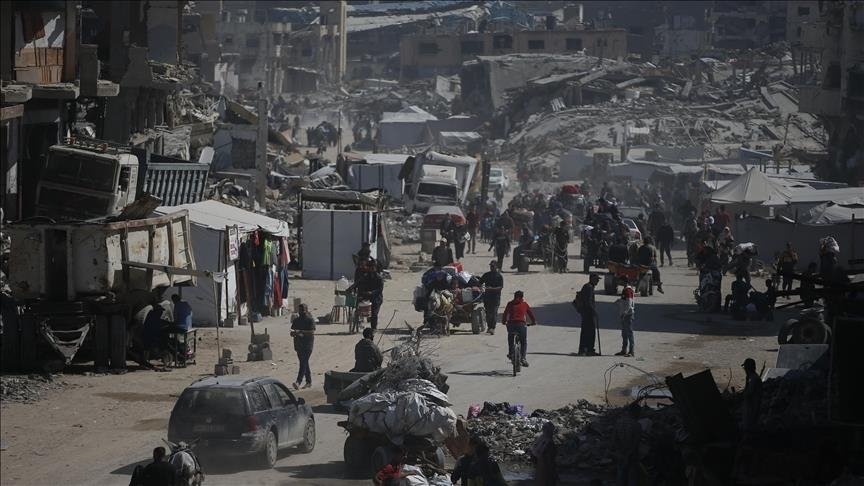
Rafah, located in southern Gaza, suffered massive devastation after Israeli forces launched a full-scale assault on the city on May 7, 2024.
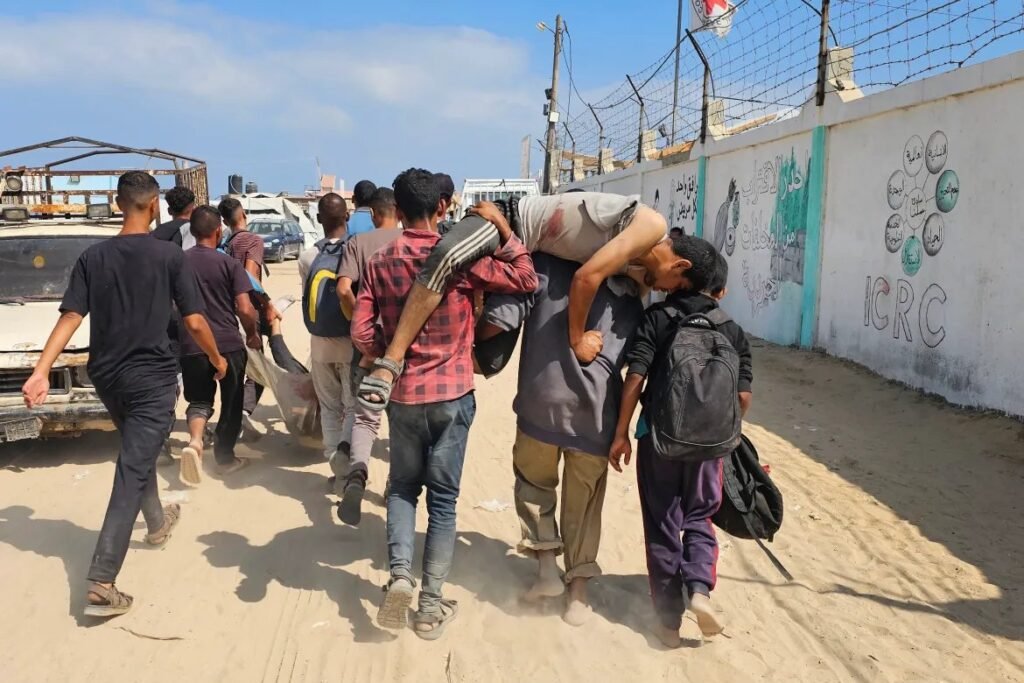
Israeli attacks destroyed vast residential neighborhoods through relentless airstrikes, artillery shelling, and systematic demolition campaigns, while hundreds of thousands of Palestinians — including families already displaced from northern Gaza and Gaza City — were forcibly driven out once again.
Although a ceasefire agreement later came into effect, Israeli forces maintained control over Rafah, refusing to withdraw from the city and preventing residents from returning to what remains of their homes.
Fears of Demographic Engineering
Among the most controversial proposals reportedly discussed is a UAE-backed project known as “New Rafah,” which allegedly includes plans to establish nearly 100,000 housing units inside the city.
Additional proposals have reportedly focused on transforming large sections of Rafah and eastern Gaza into newly designed zones tied to investment, tourism, and tightly controlled residential areas.
Another proposal, referred to as “Green Rafah,” reportedly centers on clearing rubble and preparing land east of the so-called “Yellow Line,” raising serious concerns among Palestinians and rights advocates that such projects could ultimately confine residents into isolated zones under Israeli military oversight.
Critics fear these plans could permanently alter the geographic and social identity of Rafah while sidelining the rights of displaced Palestinians to reclaim their lands and properties.
Rights Groups Warn of Forced Displacement
Earlier this year, Euro-Med Human Rights Monitor warned of what it described as dangerous efforts aimed at forcibly concentrating Palestinians into isolated areas in Rafah following widespread destruction and land bulldozing operations carried out during the war.
The organization called for urgent international intervention to stop policies that could pave the way for forced population transfers and the restructuring of Gaza’s population map under military control.
Families of Rafah Martyrs Reject Cooperation With Occupation
Sources close to families of Palestinians killed in Rafah said local companies and workers had recently attempted to enter the city to participate in projects before being stopped due to suspicions surrounding the nature of the work and the entities supervising it.
The families reportedly consider any cooperation with the Israeli occupation or participation in projects imposed under military control to be “a betrayal of the sacrifices of the Palestinian people and the blood of the martyrs.”
Concerns are also growing because many families still do not know the fate of relatives believed to remain buried beneath the rubble or inside cemeteries across Rafah. Palestinians have repeatedly accused Israeli forces of carrying out mass burial operations during the assault on the city.
Some residents fear reconstruction efforts may proceed while the remains of victims are still trapped beneath destroyed neighborhoods.
Rafah Municipality Says Residents Must Lead Any Reconstruction
Rafah Mayor Ahmed Al-Sufi stated that the municipality does not possess confirmed information regarding companies operating inside the city in coordination with Israeli forces.
He stressed that Rafah remains “a fully occupied and isolated city” and emphasized that ownership of land and property belongs to known Palestinian families whose rights are protected by legal documents.
Al-Sufi warned that no reconstruction process can succeed without the direct participation of Rafah’s residents and displaced population.
According to municipal estimates, Rafah originally housed around 310,000 residents and nearly 35,000 housing units before the war. More than 95 percent of the city has now been destroyed, while roads, water systems, and sewage infrastructure have been almost completely devastated.
The municipality also warned that legal action could be pursued if evidence emerges showing companies operating inside Rafah in coordination with Israeli authorities.
Company Denies Involvement
Meanwhile, businessman Mustafa Masoud denied that his company had recently carried out work inside Rafah, describing circulating accusations as inaccurate.
He said the proposed project remains at the planning stage and cannot move forward while Israeli forces continue occupying the city. According to his statements, the project involves temporary housing units and mobile homes funded by the UAE in partnership with an Egyptian company.
However, the controversy surrounding the plans continues to fuel Palestinian fears that reconstruction in Rafah could become a political tool used to impose a new reality on Gaza while displaced residents remain excluded from decisions about the future of their own city.