Gaza Herald _Some of the world’s leading humanitarian organizations sharply criticized President Donald Trump’s so-called “Board of Peace” for Gaza, accusing it of failing to deliver on promises to ease the humanitarian catastrophe inside the besieged enclave.
During a briefing at the United Nations in New York, representatives from major international aid groups said the initiative has failed to ensure the flow of humanitarian aid into Gaza because Israel continues obstructing the vast majority of supplies entering the territory.
Aid Promises Remain Unfulfilled
Save the Children CEO Janti Soeripto said humanitarian groups repeatedly attempted to engage with the Board of Peace by offering expertise, field reports, and coordination efforts from staff working inside Gaza.
According to Soeripto, little meaningful action followed those discussions.
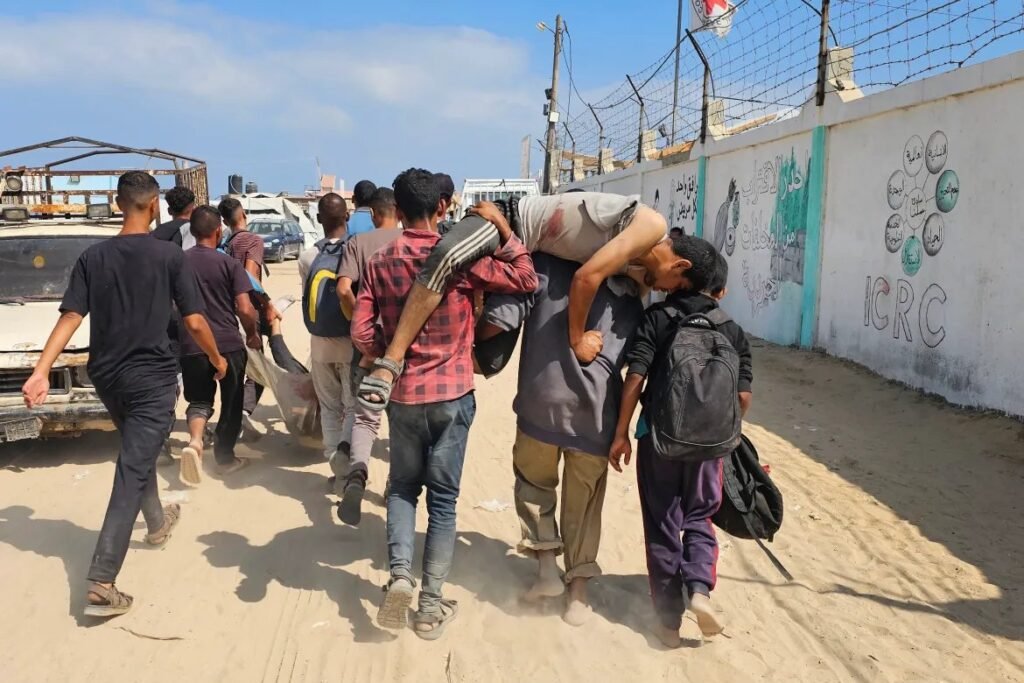
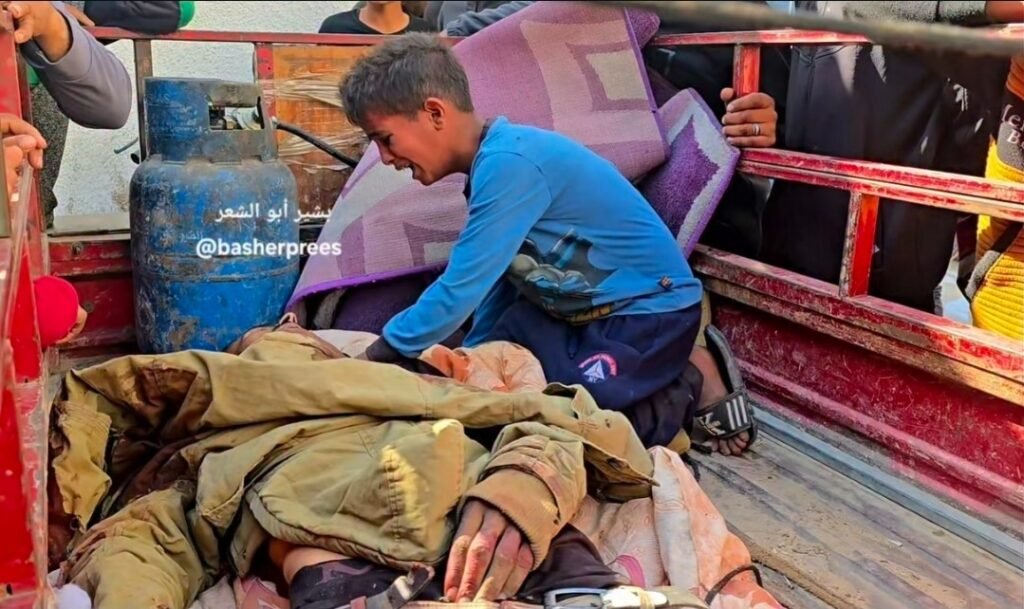
Six months after the ceasefire agreement tied to Trump’s Gaza plan, she said children in Gaza remain out of school, malnutrition continues spreading, and thousands of wounded Palestinians still cannot access proper medical treatment.
She added that Gaza’s electricity network and water infrastructure remain almost entirely unusable despite promises made under the agreement.
The original ceasefire framework and peace plan reportedly called for unrestricted humanitarian aid deliveries, rehabilitation of infrastructure, and protection of relief operations from political interference.
Aid organizations argue that none of those commitments have been fully implemented.
Israel Accused of Blocking Humanitarian Relief
The humanitarian groups said the agreement originally envisioned at least 600 aid trucks entering Gaza daily following the ceasefire, but actual deliveries remain far below that number.
According to aid officials, Israeli restrictions at crossings continue to severely limit the entry and distribution of humanitarian assistance.
Organizations also warned that medical evacuations remain dangerously insufficient. While thousands of critically wounded Palestinians require urgent treatment unavailable inside Gaza, only a small number have reportedly been allowed to leave the territory since the ceasefire began.
Aid groups stressed that Israel maintains full control over who is allowed to leave or re-enter Gaza, even in cases involving medical evacuations through Egypt.
Jeremy Konyndyk, president of Refugees International, said the continued obstruction of aid cannot be justified as a complicated political matter.
He argued that while political and security negotiations may be complex, allowing humanitarian aid into Gaza should not be.
Konyndyk accused Israeli authorities of directly violating ceasefire obligations by continuing to restrict relief supplies and humanitarian access.
Criticism of the Board of Peace Report
The criticism intensified after a recent report issued by the Board of Peace blamed Hamas for obstructing progress toward the next phase of the ceasefire agreement because of its refusal to fully disarm without permanent guarantees.
Humanitarian organizations rejected the report’s framing, arguing that it failed to honestly address Israel’s role in prolonging Gaza’s suffering.
Konyndyk said the report did not resemble the work of a neutral mediator attempting to hold all parties accountable equally.
Instead, he argued, it downplayed the humanitarian crisis and avoided directly acknowledging that Israeli restrictions remain the primary reason aid operations continue collapsing.
He described the level of impunity surrounding Israel’s actions in Gaza as unprecedented.
Meanwhile, Gaza’s Health Ministry reported that hundreds of Palestinians have been killed during the ceasefire period through Israeli airstrikes and live fire attacks despite the supposed truce remaining in place.
Billions Pledged While Gaza Remains in Ruins
The Board of Peace previously announced billions of dollars in financial pledges for Gaza reconstruction and relief efforts.
Countries including Qatar, Saudi Arabia, Kuwait, the UAE, Bahrain, Morocco, Kazakhstan, Azerbaijan, and Uzbekistan reportedly committed major funding packages toward humanitarian and reconstruction projects.
Trump also announced additional American funding tied to the broader operations of the Board of Peace, while international organizations and donor countries pledged separate aid initiatives.
Despite the financial promises, humanitarian groups say the crisis inside Gaza continues worsening because aid deliveries remain blocked and reconstruction efforts cannot move forward under ongoing siege conditions.
Critics also noted that the Board of Peace charter reportedly avoids even mentioning the words “Gaza” or “Palestinian,” fueling accusations that the initiative prioritizes political normalization and regional influence over addressing Palestinian rights and suffering.
The Trump administration has additionally moved away from decades of official American support for a two-state solution, deepening Palestinian concerns that political arrangements are being shaped without addressing the root causes of the conflict, including occupation, blockade, and denial of Palestinian self-determination.
Several European countries reportedly refused to formally join the initiative, while others participated only as observers.
For many humanitarian organizations, the core problem is no longer funding or logistics, but the lack of political pressure to force Israel to fully open crossings and allow unrestricted humanitarian access into Gaza.
Aid groups warned that without accountability and genuine enforcement mechanisms, promises of reconstruction and recovery will remain meaningless while millions of Palestinians continue enduring starvation, displacement, and devastation across the Strip.