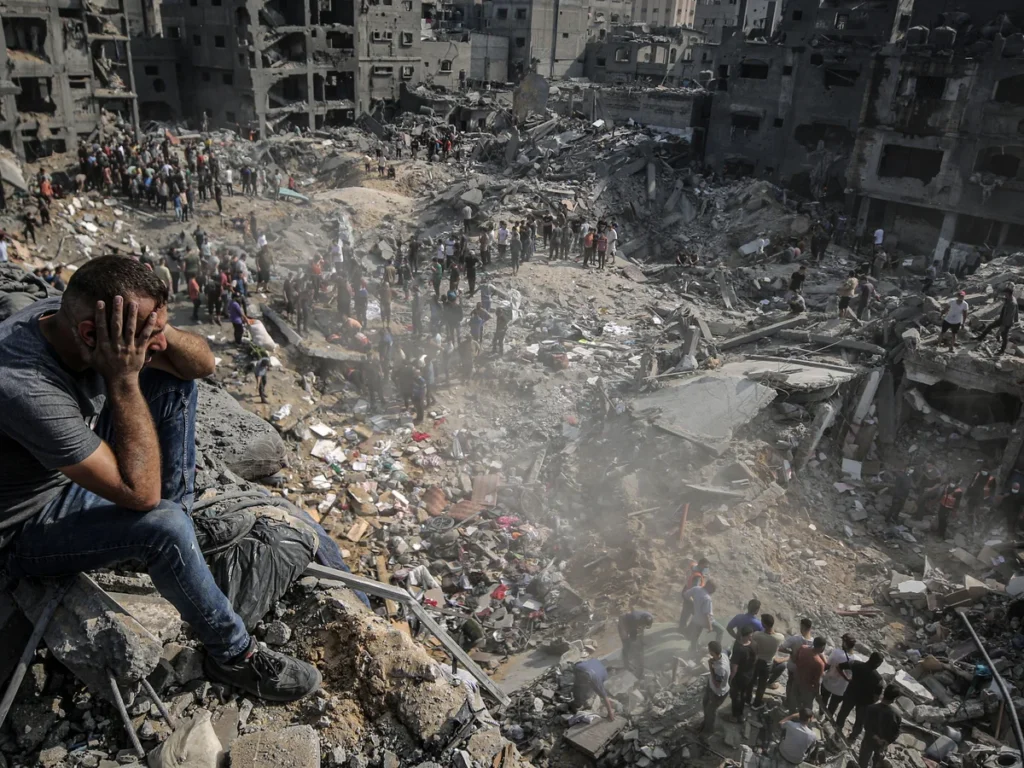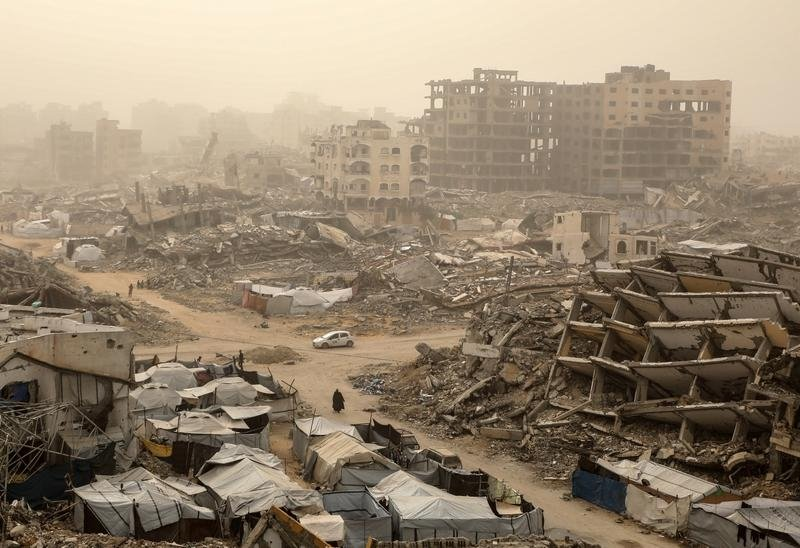
Gaza Herald — The Government Media Office in Gaza said on Friday that the Israeli occupation continues to impose severe restrictions and drastically reduce the entry of necessities into the besieged Strip, further deepening the humanitarian crisis and tightening the blockade on more than two million Palestinians.
The statement appeared in the weekly report issued by the Government Media Office on the movement of crossings and commercial border points in Gaza for the period May 15 to May 21, 2026.
According to the report, the Rafah crossing witnessed extremely limited travel movement over the past week. The total number of departures and arrivals reached only 403 cases, including 249 Palestinians allowed to leave Gaza and 154 returning to the territory.
The Government Media Office stated that these figures fall far short of the 1,400 travel cases that were supposed to be permitted under the announced agreement. The report noted that Israel’s level of compliance did not exceed 28 percent, describing the restrictions as part of a systematic policy aimed at limiting Palestinians’ freedom of movement.
On the commercial and humanitarian level, the report revealed that only 1,287 trucks entered the Gaza Strip during the reporting period, despite commitments allowing for the entry of 4,200 trucks. This represents a compliance rate of just 30 percent.
The incoming trucks included 559 commercial trucks, 693 trucks carrying humanitarian aid, and only 35 fuel and energy supply trucks.
Regarding fuel deliveries, the report stated that just seven trucks carrying commercial cooking gas and 28 diesel trucks designated for institutions were allowed to enter Gaza.
The Government Media Office stressed that the ongoing reduction in the entry of essential trucks and fuel shipments is directly contributing to the worsening humanitarian catastrophe in Gaza and intensifying the suffering of Palestinians living under blockade.
As Gaza continues to endure one of the world’s longest and most devastating blockades, many Palestinians and international human rights advocates argue that the severe restrictions on movement, fuel, and humanitarian supplies amount to collective punishment against an entire civilian population. Critics say the continued limitations imposed on the Strip are not merely security measures, but part of a broader policy that has pushed Gaza deeper into humanitarian collapse, leaving millions trapped between war, displacement, and deprivation while the international community largely fails to take meaningful action.