Gaza Herald_ As announced deadlines expire and the transition to the second phase of the ceasefire framework for Gaza remains stalled, growing questions are being raised about the deeper reasons behind this impasse. Beyond official explanations and procedural justifications, the delay appears rooted in political dynamics involving Israel’s restrictive security demands, unresolved questions surrounding governance by the Palestinian Authority led by Mahmoud Abbas, and the failure to establish an agreed international stabilization mechanism. Together, these factors have left the second phase effectively suspended within a broader political project shaped by regional and international power calculations.
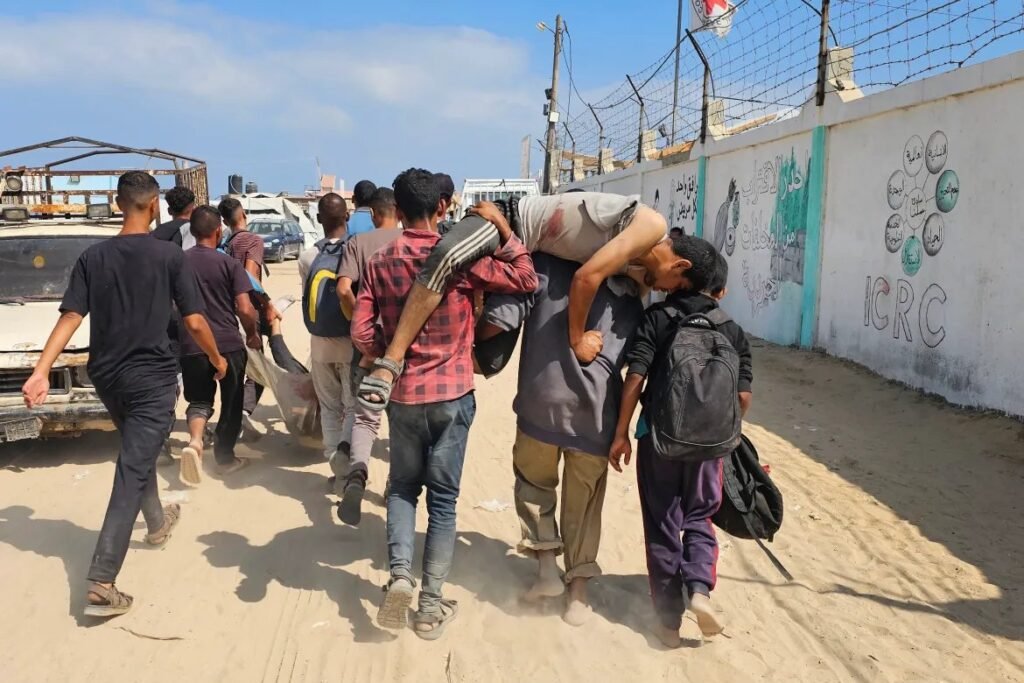
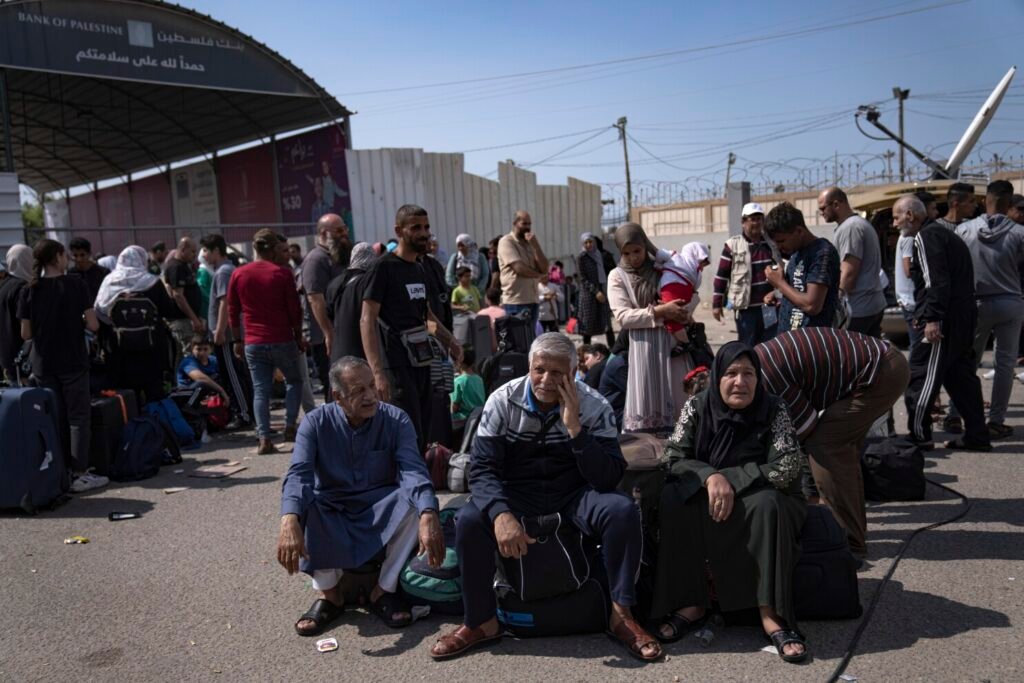
Despite the first phase of the ceasefire formally coming into effect on October 10, implementation on the ground has remained limited. Military activity reportedly continued, including air operations and artillery fire that affected civilian and displacement areas. These actions resulted in significant casualties, raising doubts about the ceasefire’s credibility and the willingness to move toward a sustained halt in hostilities.
Politically Driven Stagnation
The continued delay in advancing to the second phase is widely seen as the result of political decisions rather than technical disagreements. Maintaining Gaza in a state of instability appears to serve broader strategic objectives, preventing the consolidation of a durable ceasefire or the launch of a meaningful political process. The phased agreement has functioned more as a flexible instrument for maneuvering than as a binding roadmap toward stability.
Moving into the second phase would, in practice, require a lasting end to large-scale military operations and the opening of a new political horizon. Such an outcome has faced resistance from actors who view sustained calm as a challenge to existing security doctrines built on military dominance and deterrence.
Security Conditions and the Issue of Disarmament
Central to the deadlock are far-reaching security conditions attached to the second phase, particularly demands related to the disarmament of armed groups in Gaza. These demands have been framed as prerequisites rather than negotiated components of a broader settlement, effectively turning the cessation of violence into a conditional exchange rather than a humanitarian obligation.
Proposals for an international stabilization force have similarly failed to gain consensus. While presented as a means of maintaining order, the concept has raised concerns about mandate and intent. Without a clear political framework centered on civilian protection and post-war recovery, such a force has been viewed as potentially serving security objectives rather than addressing the root causes of the conflict.
The Palestinian Authority and Governance Scenarios
The role of the Palestinian Authority, led by President Mahmoud Abbas and based in Ramallah, has emerged as a key point of contention. Efforts to position the Authority as the governing body in Gaza without broad national agreement have raised concerns that this approach could offer a political exit to Israel without fully ending the conflict.
Critics argue that governance proposals emphasizing “legitimacy” and the principle of a single armed authority risk marginalizing other Palestinian political actors rather than fostering national unity. Some warnings replicating governance models seen in the West Bank, characterized by limited autonomy under significant external security control, could deepen internal divisions in Gaza.
Imposing such a model amid widespread destruction and without a comprehensive Palestinian consensus is widely viewed as carrying the risk of internal confrontation, potentially escalating into serious internal conflict.
Regional and International Dimensions
On the regional level, disagreements over the involvement of external actors in Gaza’s future arrangements have further complicated efforts to move forward. Some regional players are perceived as capable of enforcing a genuine and lasting ceasefire, while others favor temporary security arrangements that leave Gaza under constant threat.
More broadly, the stalled second phase is linked to wider regional tensions and shifting international priorities. Competing global crises and power rivalries have weakened the prospects for coordinated international engagement, while concerns persist that stabilization initiatives could be used to entrench indirect control rather than support Palestinian self-determination.
An Uncertain Path Forward
Under current conditions, the second phase of the ceasefire appears unlikely to materialize as originally envisioned. Its structure and requirements are widely seen as prioritizing security considerations over civilian protection and political justice.
The most probable scenario remains one of continued instability, marked by intermittent military escalation and ongoing political efforts to reshape Gaza’s internal landscape. The failure to advance the second phase is increasingly viewed not as a temporary diplomatic setback, but as a deliberate strategic choice.
Without an end to large-scale violence and meaningful steps toward lifting external control over Gaza, discussions of long-term stability risk remaining rhetorical, detached from the realities facing civilians on the ground.