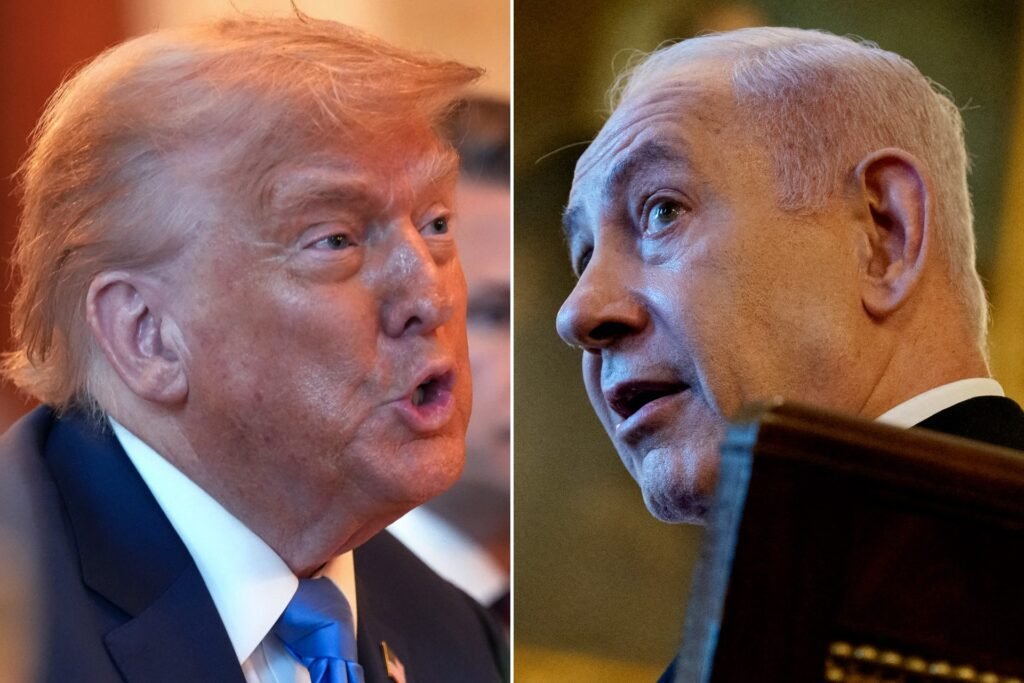
Gaza Herald_ As smoke still rises over Gaza’s shattered skyline, U.S. President Donald Trump declared that “the war is over,” even as Israeli Prime Minister Benjamin Netanyahu vowed that Israel’s military campaign in the besieged enclave would continue. The conflicting statements have fueled confusion and outrage, highlighting deep divisions over how and when Israel’s war of annihilation against Gaza will truly end.
Netanyahu Rejects the Idea of an End to War
On Sunday night, Netanyahu issued a statement ahead of Monday’s planned prisoner exchange between Israel and Hamas, describing it as a “historic event” while insisting that “the campaign is not over.”
“Wherever we fought, we won,” Netanyahu said, before warning that “major security challenges” remain. He claimed that “some of our enemies are trying to regroup and attack us again,” promising that Israel would confront them.
Israeli Defense Minister Israel Katz echoed the message, announcing on X that Israel’s next “great challenge” would be the destruction of what he called Hamas’s tunnels in Gaza. Katz said the Israeli military had been instructed to prepare for this mission, to be conducted under a U.S.-led international mechanism, a statement many observers see as signaling Washington’s complicity in prolonging the war.
Trump Contradicts Netanyahu Mid-Flight
While en route to Israel aboard Air Force One, Trump appeared eager to project optimism, dismissing Netanyahu’s remarks. “The war is over. It’s over. Okay? You understand that?” he told reporters. “People are tired of it. It’s been centuries… People are going to behave. Everybody knows their place. It’s gonna be great for everybody.”
His remarks, detached from the grim reality in Gaza, were met with skepticism. For Palestinians, whose families remain under rubble and whose cities have been reduced to dust, Trump’s claim of peace rings hollow.
A Divided Message on the Ground
Trump landed at Ben Gurion Airport to a ceremonial welcome by Netanyahu and President Isaac Herzog. He is scheduled to address the Knesset and meet with Netanyahu and the families of the 20 Israeli captives freed under the truce.
Later, Trump will travel to Egypt’s Red Sea resort city of Sharm el-Sheik to co-chair an international summit with Egyptian President Abdel Fattah el-Sisi. The meeting aims to finalize the terms of the Hamas-Israel agreement to end the war, though notably, neither Hamas nor Israel will participate directly.
Prisoner Exchange and the Question of Justice
Under the truce, Israel is expected to release 1,966 Palestinian prisoners in exchange for 20 Israeli captives. The list includes 250 people serving long or life sentences and more than 1,700 Palestinians abducted from Gaza over the past two years.
The agreement does not include high-profile Palestinian figures whose release Hamas had demanded but Israel refused. Rights organizations note that Israel currently holds more than 11,100 Palestinian prisoners, more than double the number before October 2023.
Many of those detained come from Gaza and were seized during Israeli ground operations. Human rights monitors estimate that thousands remain unaccounted for in Israeli military camps, effectively disappeared.
At least 77 Palestinian prisoners have died in Israeli custody over the past two years, according to Palestinian rights groups. Dozens more, abducted from Gaza, are believed to have been killed and buried in secret.
A War That Refuses to End
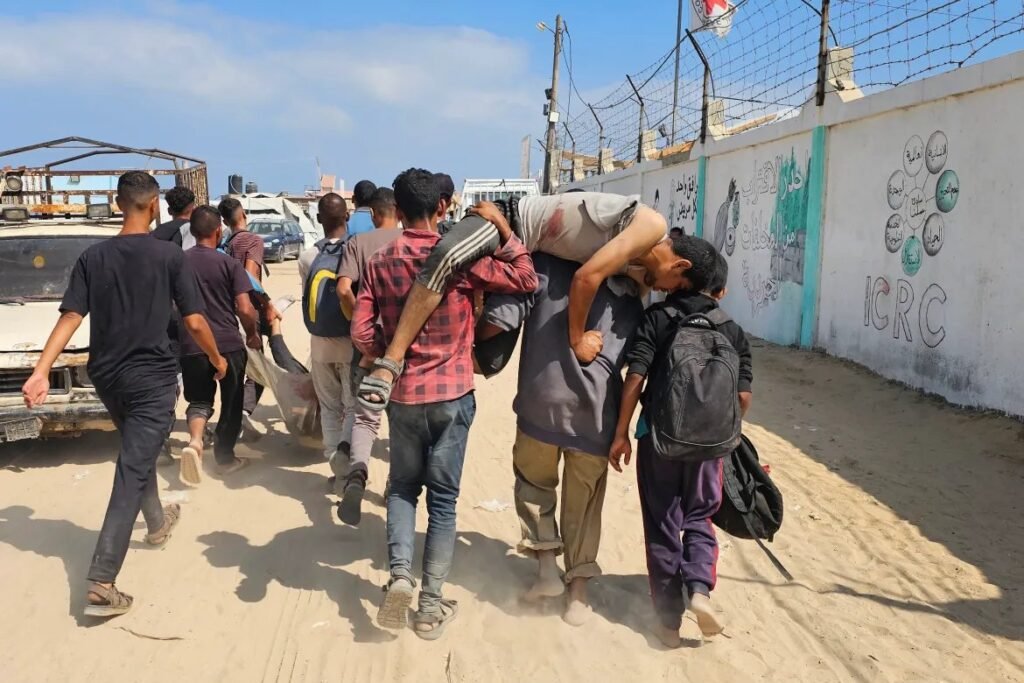
While Washington and Tel Aviv issue contradictory messages, Palestinians continue to suffer under the weight of blockade, destruction, and displacement. For Gaza’s civilians, who have endured nearly two years of relentless bombardment and starvation, Trump’s declaration of peace offers no relief.
In the streets of Gaza City, where families still dig through the debris searching for loved ones, one truth remains clear: the war is not over, not for those still beneath the rubble, nor for a people fighting to exist.