Gaza Herald —Two years of relentless war have left Gaza unrecognizable, a landscape of ruins, grief, and human endurance. The Israeli occupation’s military campaign sought to crush the population, erase neighborhoods, and silence the voice of a people determined to survive. Yet, in the shadow of bombs and starvation, Gazans have refused to abandon what is theirs. Their connection to the land, forged over generations, remains unbroken, even amid the most systematic attempts at destruction.
The dawn of the truce in Gaza arrived like no other. Amid the rubble and ashes, residents emerged as if rising from the depths of the earth, greeting life anew after a war that devoured both stone and soul. Two years of relentless bombardment left behind unimaginable devastation, yet through every airstrike, every forced displacement, the people of Gaza never abandoned their land; if anything, they became more rooted in it.
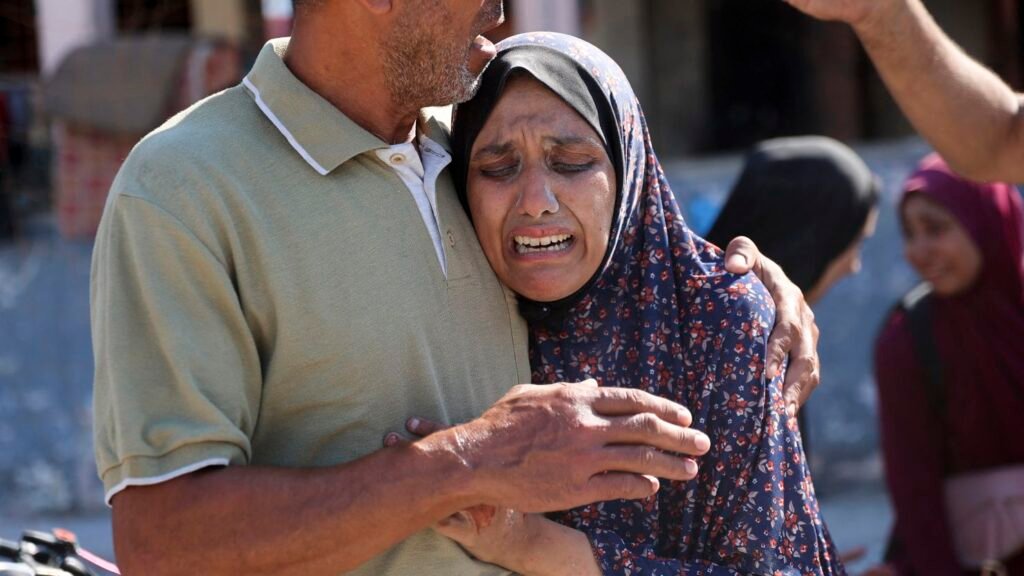
Tears often came before words in the shattered alleys. Elderly citizens and children alike emerged clutching keys to homes long reduced to rubble, and with them, the memories of a life that seemed almost erased. The announcement of the ceasefire was not just political news; it was a collective exhale, a momentary relief after years of fear, hunger, and exile.
“I couldn’t believe it, I felt like my soul came back to me,” said Umm Ahmad Abu Maghsib, wiping tears on the threshold of what remained of her home. “Even if not a single stone is left, I will come back here,” she added, her voice steady amid the ruins.
Despite the scale of destruction, love for Gaza’s land persists. “I love Gaza and its soil. From here, we will return to the lands occupied in 1948,” said Mohammad Al-Kilani, gazing at his bomb-scarred plot as if speaking to the land itself. “I will live here even if I have to sleep on the ground and cover myself with the sky.”
The Road of Return
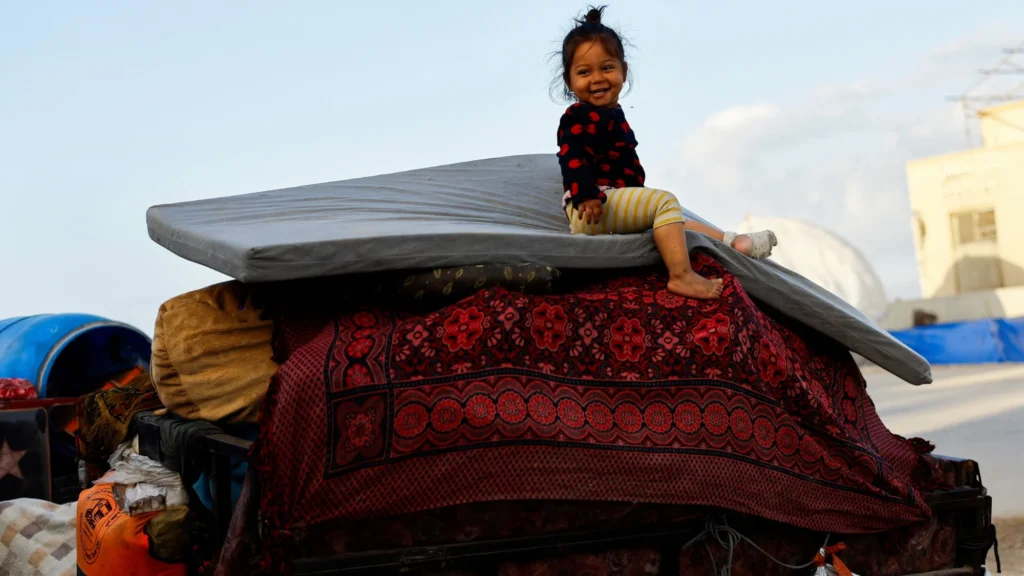
Since early morning, hundreds of displaced families have gathered near the Wadi Gaza Bridge, the same route from which they were forced to flee when the Israeli army began its offensive on Gaza City. They wait for the road to reopen, each carrying their burdens, their memories, and the keys to homes that may no longer exist. This road does more than connect two places; it links two eras: the time of displacement and the time of return.
Maysa Halas, clutching a rusty key recovered from the ruins, said, “We fled under the bombing, but we never left hope behind.” Young Khaled Abu Shawish added, “This land is ours. We water it with our tears before our sweat.”
Cautious Joy Amid Tents and Rubble
Within Gaza’s shelter camps, faint ululations of joy echoed a mixture of happiness and lingering caution. Fear remains, yet children ran between tents waving small flags, singing songs of return and life. Homes may have turned to rubble, yet the determination to reclaim them endures. Faiza Abu Al-Atta, mourning the loss of her son and his family in the war, said through tears, “We came back to start again. We want nothing but to live in peace.”
Muhannad Thabet emphasized the enduring resolve: “Even if we must rebuild with our own hands, what matters is that we return. This land is ours, and all of Palestine is ours.”
According to international estimates, more than 70 percent of Gaza’s buildings have been destroyed or heavily damaged. Tens of thousands of families have lost homes and livelihoods, yet the connection to the land persists. Residents touch the stones of former homes as if reclaiming pieces of themselves from the debris.
Life Returns Despite the Devastation
In Gaza’s streets, contradictory scenes coexist: children laugh amid ruins, women gather ashes from destroyed kitchens, and men raise the call to prayer after months of silence. Amid these contrasts, one feeling prevails: Gaza endures.
The people of Gaza share one belief: the land never betrays its people. Roots, no matter how buried in ash, will bloom again. “Gaza doesn’t die. We don’t die. Every day, we are born anew,” said a young man clearing rubble by hand, lifting layers of sorrow from the city.
Gaza today is scarred but resilient. From every shattered stone, every tear shed upon hearing the ceasefire, a story is born, the story of a people deeply rooted in their land, for whom return is not a political act but a heartbeat that never stops.
The ceasefire agreement took effect at noon on Friday, ending a devastating two-year war waged by the Israeli occupation. The conflict claimed over 237,000 lives, left more than 9,000 missing, and generated famine that killed hundreds. Over two million Palestinians now live amid forced displacement and widespread destruction, enduring one of the worst humanitarian catastrophes of the modern era.
Yet in this devastation, the people of Gaza endure, a living testament to the persistence of connection, memory, and belonging, a reminder that no matter the scale of destruction, a people rooted in their land cannot be erased.