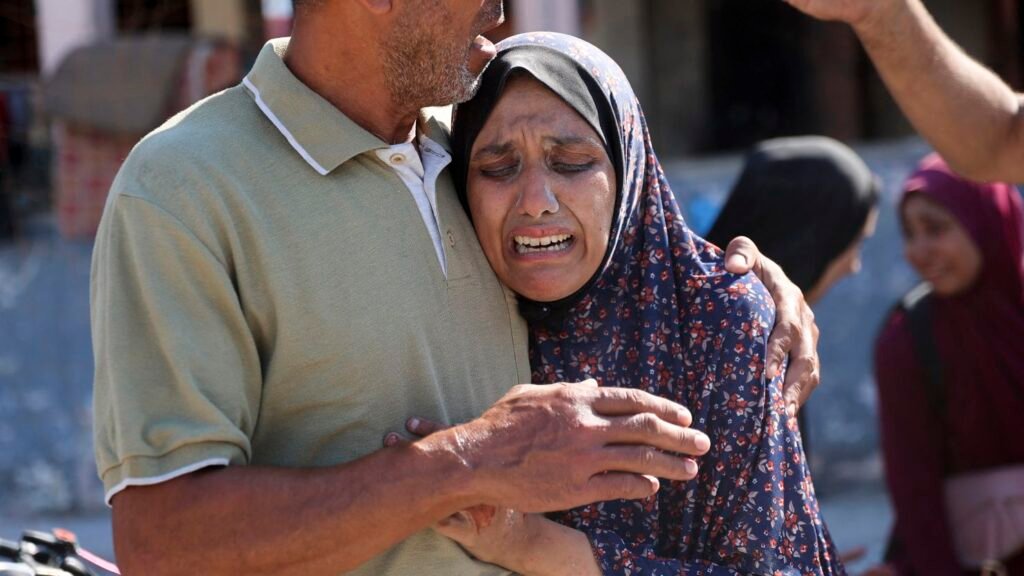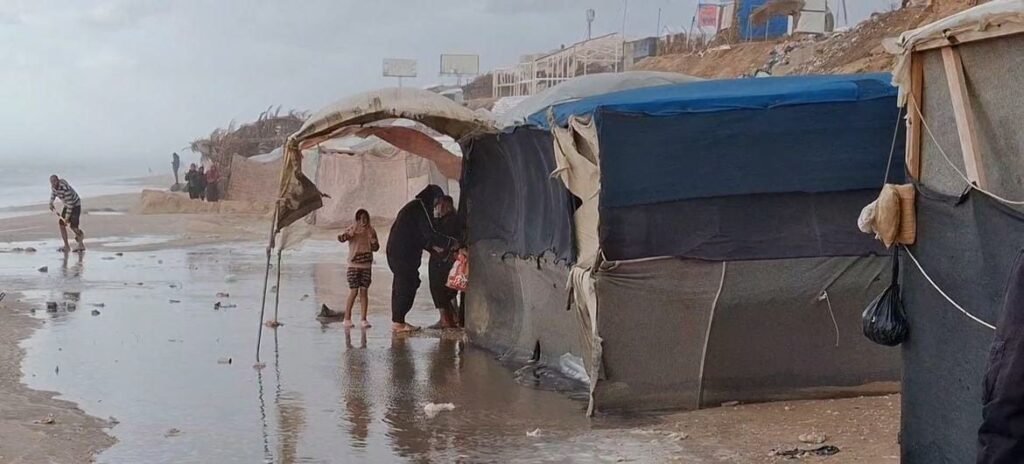
Gaza Herald – As winter approaches, thousands of displaced Palestinian families in the Gaza Strip face worsening conditions, with worn-out tents providing little protection from rain, wind and cold after years of displacement and bombing.
According to Gaza’s Ministry of Social Development, around 2 million Palestinians live in Gaza, including approximately 1 million children, more than 108,000 older people, around 47,000 widows, and more than 120,000 people with disabilities. The ministry also estimates that nearly 65,000 children have lost one or both parents.
More than 90% of Gaza’s population are reportedly living in deteriorating tents, displacement shelters or among the ruins of their destroyed homes. Many families have been using tents and essential shelter supplies for nearly three years, despite an estimated usable lifespan of around six months and prolonged exposure to extreme heat, humidity and harsh conditions.
The coming winter poses particular risks for children, older Palestinians, people with disabilities and those suffering from chronic illnesses. Many families lack adequate bedding, mattresses and medical equipment, while damaged infrastructure and the absence of effective rainwater drainage leave displacement sites vulnerable to flooding and mud.
The shortage of essential winter supplies has further deepened the crisis. Gaza urgently needs tents, blankets, mattresses, winter clothing, insulation materials, safe heating equipment and temporary housing units, including prefabricated shelters.
The ministry also warned that accumulated waste, deteriorating sanitation and the spread of rodents and insects are increasing the risk of infectious diseases, while shortages of medicines and medical supplies leave Gaza’s already devastated healthcare system struggling to respond.
Access to safe drinking water remains another major concern, with families forced to rely on insufficient or unsafe sources, increasing the risk of waterborne diseases, particularly among children, women and older people.
The ministry said Israel’s continuing restrictions on the entry of generator and vehicle oils, spare parts, solar panels, commercial fuel and other essential supplies have further disrupted transportation and vital services across Gaza. Restrictions on materials needed for cooking and heating are adding to the hardships faced by displaced families.
With winter approaching, Gaza’s humanitarian crisis threatens to deepen across every aspect of daily life, including health, shelter, education and protection.
The Ministry of Social Development called on the international community, mediators, the Board of Peace, the National Committee for the Administration of Gaza and the European Union to take immediate action to strengthen humanitarian assistance and prevent further deterioration.
It called for the urgent replacement of destroyed and worn-out tents, the provision of adequate temporary housing, including caravans and weather-resistant shelters, and increased funding for humanitarian programs operated by UN agencies and international and Palestinian organizations.
The ministry also urged urgent improvements to drinking-water and sanitation systems, the establishment of effective rainwater drainage in displacement camps, expanded mobile healthcare services, and stronger coordination among humanitarian organizations to ensure assistance reaches the families facing the greatest risks.
The ministry warned that delaying the response could turn Gaza’s already devastating shelter crisis into an even more severe winter emergency, placing millions of Palestinians at further risk after years of displacement, bombardment and deprivation.