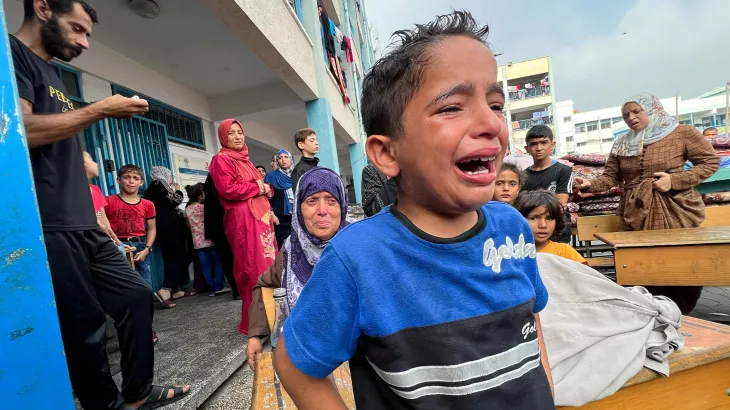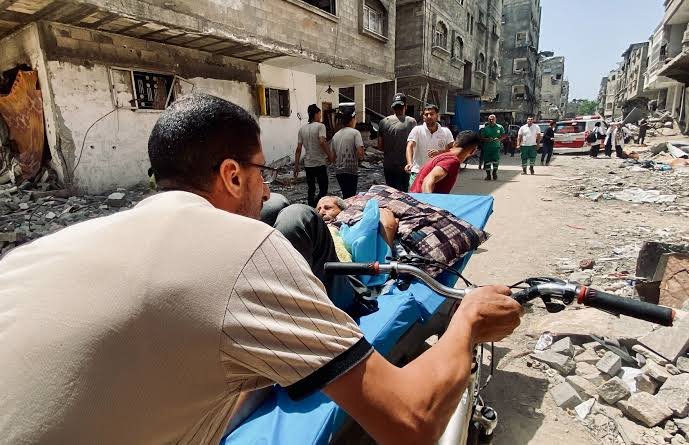
Gaza Herald – The World Health Organization warned that repeated delays affecting humanitarian aid entering Gaza through Israel have caused chronic shortages of essential medical supplies, as the besieged territory’s healthcare system remains severely damaged.
Reinhilde Van de Weerdt, the WHO representative for the occupied Palestinian territory, said the health situation in Gaza was “utterly dire,” stressing that no hospital in the Strip was fully functional.
Speaking to reporters in Geneva from Jerusalem, Van de Weerdt said insufficient aid was entering Gaza to allow any meaningful expansion or restoration of healthcare services. She identified Israel’s approval system for medical equipment and other humanitarian supplies as a major obstacle to deliveries.
Van de Weerdt said the approval procedure was laborious and time-consuming, with no guarantee that shipments would ultimately be cleared.
According to the WHO’s latest analysis, large quantities of medical supplies awaiting clearance face a median delay of 74 days. If an application is rejected, she said, the lengthy process must begin again.
She added that the approval system continues to change, with new requirements frequently introduced. Standard health kits used around the world have some of the lowest approval rates, while X-ray machines, sterilization equipment, spare parts for CT scanners and other essential medical equipment are regularly rejected.
One shipment containing prosthetics and assistive devices was rejected four times over the past six months, she said.
Medicines, however, have faced fewer obstacles, with nearly 87 percent approved and only one percent rejected.
Van de Weerdt stressed that Gaza’s medical crisis was not caused by a single bottleneck, but by repeated layers of delays affecting the delivery of essential supplies.
“On the other side of every one of these delays is a patient who is waiting,” she said.
The WHO called for humanitarian aid and medical supplies to be allowed into Gaza at scale in an unimpeded and predictable manner, as hospitals struggle to maintain basic services amid shortages of equipment and supplies.