Gaza Herald _New medical data and testimonies from across Gaza reveal a growing reproductive health crisis, as birth rates continue to decline while miscarriage cases rise sharply amid the long-term effects of Israel’s war on the territory.
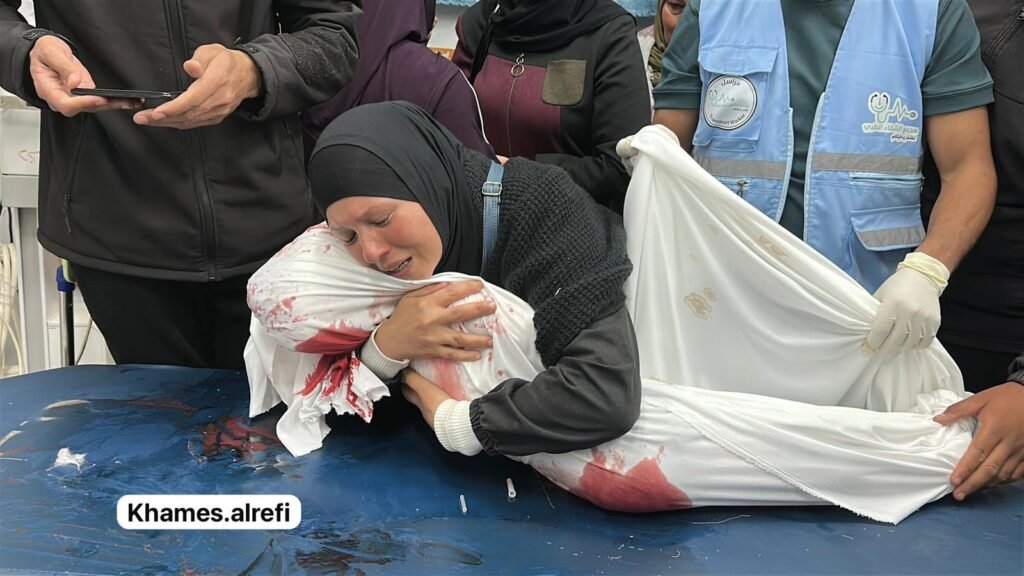
For many women, the statistics reflect painful personal experiences.
Thirty-seven-year-old Suad Issa lost her pregnancy during the fourth month after doctors discovered severe fetal abnormalities. The mother, who had hoped to have another son, says years of displacement, food shortages, and difficult living conditions during the war left a profound impact on her health.
Originally from Jabalia refugee camp, Suad has been repeatedly displaced since the outbreak of the war. She recalls living in overcrowded shelters and tents while struggling to obtain medicine, proper nutrition, and healthcare services. During a routine examination, doctors informed her that her unborn child was suffering from serious developmental complications, ultimately leading to the loss of the pregnancy.
Repeated Displacement and Health Challenges
The experience of Manal al-Sarsawi reflects another dimension of the crisis.
The Gaza resident suffered two miscarriages during the war. The first occurred while she was displaced in southern Gaza and unable to access medication required to treat a thyroid condition. The second took place after her return to Gaza City despite receiving medical follow-up and treatment.
Manal believes that the cumulative effects of repeated displacement, psychological stress, poor nutrition, environmental pollution, and exposure to smoke from military attacks may have contributed to the loss of her pregnancies.
Families Fear for Unborn Children
For 22-year-old Rawan al-Jarou, uncertainty continues.
Hospitalized after experiencing severe bleeding during pregnancy, Rawan faces a high risk of losing her unborn child, according to doctors. Her family says she has endured significant nutritional deficiencies and difficult living conditions throughout the war.
Her mother explains that Rawan has struggled with housing instability, economic hardship, and the daily physical challenges created by the collapse of infrastructure and essential services.
Miscarriage Rates Reach Alarming Levels
Health Ministry data point to a significant increase in miscarriages across Gaza.
According to official figures, 921 miscarriages were recorded in April 2026 alone, representing approximately 460 miscarriages for every 1,000 live births. During 2025, around 6,000 miscarriages were documented, while monthly figures in 2026 have ranged between 500 and 600 cases.
Medical professionals warn that these numbers represent a substantial increase compared to pre-war levels and highlight the worsening conditions affecting maternal health.
Sharp Decline in Births Across Gaza
At the same time, Gaza has witnessed a dramatic drop in live births.
Only 2,004 births were recorded in April 2026, compared with 6,076 births in November 2025, marking a decline of nearly 67 percent. The downward trend has continued throughout 2026, with monthly birth figures steadily decreasing.
Long-term statistics reveal a similar pattern. Gaza recorded approximately 57,000 births in 2022 before the war. The number declined to 54,000 in 2023 and fell further to 38,000 in 2024. Although births increased somewhat during 2025, they remained below pre-war levels before declining again in the first months of 2026.
Health Experts Warn of Long-Term Consequences
Health Information Center Director Zaher al-Wahidi described the figures as evidence of a serious demographic and reproductive crisis.
He warned that the unprecedented decline in births and rise in miscarriages represent a major setback for maternal and child health in Gaza, with potential long-term implications for future generations.
Health officials expect birth rates to remain below pre-war averages in the coming months unless living conditions improve significantly.
War Conditions Linked to Reproductive Health Decline
Medical experts attribute the worsening situation to a combination of factors associated with the war and its aftermath.
These include repeated displacement, destruction of healthcare facilities, food insecurity, contaminated water supplies, environmental pollution, psychological trauma, and limited access to medical treatment.
Obstetrician Dr. Mohammed al-Jadba said pregnant women face numerous risks, including stress, physical exhaustion, poor sanitation, infections, and inadequate nutrition, all of which can increase the likelihood of miscarriage and pregnancy complications.
Healthcare System Struggles to Meet Needs
The deterioration of Gaza’s healthcare infrastructure has compounded the crisis.
Northern Gaza currently lacks a specialized maternity hospital, forcing many pregnant women to travel long distances under difficult and sometimes dangerous conditions to access medical care.
Doctors say the collapse of healthcare services has made early diagnosis and treatment of pregnancy-related complications increasingly difficult, putting both mothers and unborn children at greater risk.
Calls for Urgent International Action
Health officials and human rights advocates are calling for urgent measures to address the crisis.
They stress the need for increased access to healthcare services, medicine, food supplies, and reproductive health support, warning that the effects of years of destruction cannot be reversed quickly.
Experts argue that improving maternal and child health in Gaza will require sustained international intervention and the restoration of healthcare services capable of meeting the needs of women and newborns.
A Generation Facing Uncertain Prospects
Although a ceasefire was announced in late 2025, medical professionals say the consequences of the war continue to affect thousands of women and families.
With birth rates falling, miscarriages rising, and healthcare services struggling to recover, many fear that the reproductive health crisis unfolding in Gaza will leave lasting effects on future generations.