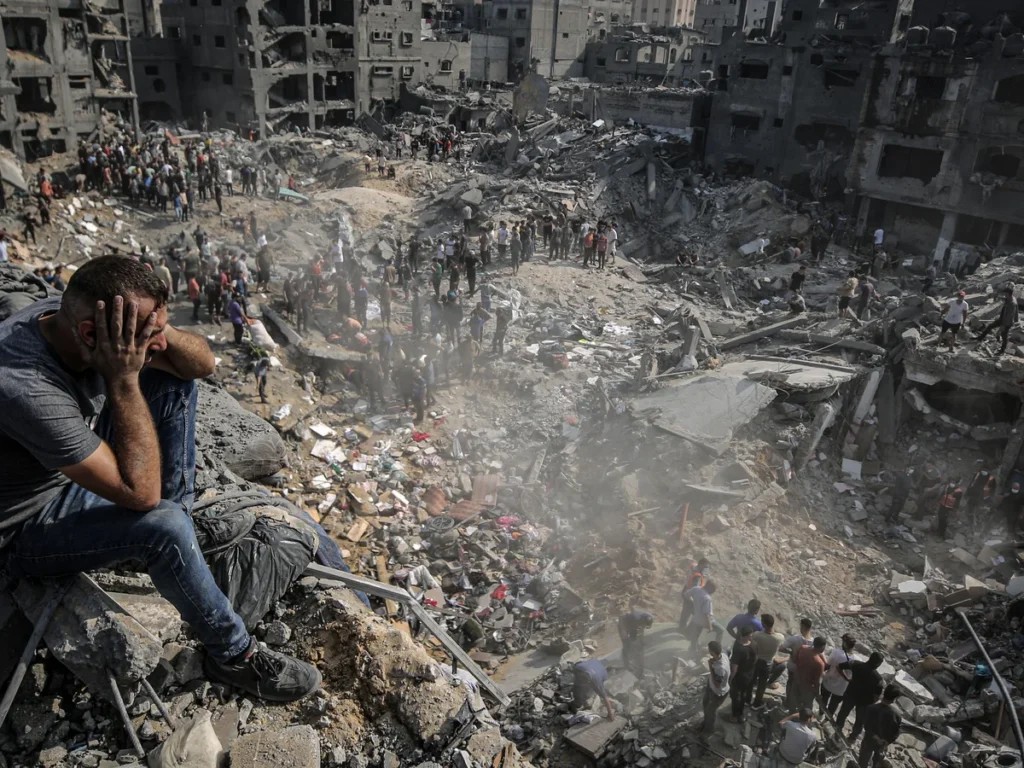
Gaza Herald — Gaza’s Ministry of Health issued an urgent warning on Thursday that standby hospital generators across the enclave could shut down at any moment as essential operating and lubricating oils have been completely exhausted, placing heavy generator engines at immediate risk of seizing, burning out, and suffering permanent mechanical destruction.
The ministry stated that engineering and maintenance teams are working under severe technical constraints to monitor the failing machinery and keep them running on borrowed time, attempting to maintain continuous power to critical hospital wards holding thousands of patients.
Heavy Medical Generators Near Total Mechanical Collapse
Following three years of complete grid power shutdown caused by the ongoing Israeli energy blockade, Gaza’s medical facilities have relied exclusively on heavy industrial diesel generators. According to health officials, these engines have been subjected to continuous strain, operating for tens of thousands of hours past their service intervals without required synthetic lubricating oils, replacement filters, or standard maintenance parts.
Prolonged operation without proper lubrication has pushed the mechanical components to extreme thermal stress and frictional decay, raising the immediate threat of total engine failure across major hospital complexes.
“If generator engines burn out due to the complete absence of operating oils, they will become permanently unusable, even if oil shipments are permitted to enter later,” the Ministry of Health warned in its official statement. “Such permanent structural damage would dismantle the remaining power capacity of Gaza’s medical sector.”
Critical Life-Support Wards and Patients at Immediate Risk
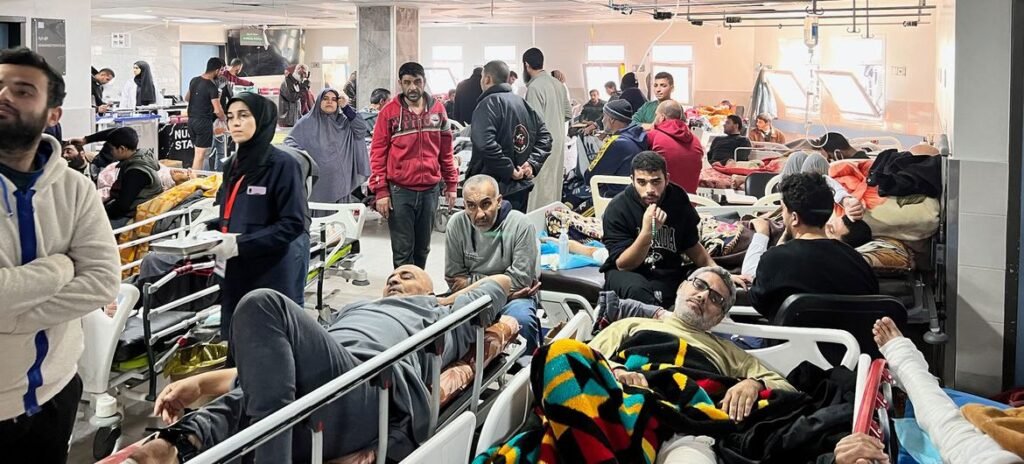
Hospitals across the Gaza Strip depend entirely on generator power to operate life-sustaining equipment and high-acuity medical departments. Without continuous electricity, Intensive Care Units (ICUs) cannot run the mechanical ventilators and cardiac monitoring systems that protect critically ill and injured patients. At the same time, Neonatal Intensive Care Units (NICUs) lose the power required to keep premature infants alive in incubators.
Furthermore, blackouts immediately paralyze surgical operating theaters conducting emergency trauma surgeries, as well as hemodialysis units and blood banks that rely on specialized medical cooling and filtration equipment to keep treatments viable and prevent immediate loss of life. Any sudden blackout would instantly cut off oxygen generation and life-support machinery, delivering a swift death sentence to patients in critical condition and overwhelming medical staff who are already operating under extreme strain.
Urgent International Appeal to Avert a Health System Collapse
The Ministry of Health renewed its desperate appeal to international humanitarian organizations, the World Health Organization (WHO), and international guarantors to intervene immediately and compel the entry of essential engine oils, industrial lubricants, and spare maintenance parts.
Health officials emphasized that the shortage of a basic maintenance supply, inhibited by ongoing blockade restrictions on technical supplies, threatens to collapse the remaining medical facilities across the enclave. Ensuring a continuous supply of generator oil and fuel is not merely a technical issue. Still, an indispensable human lifeline required to keep premature babies, ICU patients, and surgical teams alive.