Gaza Herald — Bakeries across the Gaza Strip could shut down within 48 hours as flour and other essential baking supplies run out, the Gaza Bakery Owners Association warned on Thursday, October 22, raising fears that hundreds of thousands of Palestinians could lose access to bread at a time when international food assistance is being sharply reduced, hunger is spreading, and Israeli restrictions continue to obstruct the delivery of essential supplies.
The warning comes just three days after the World Food Programme (WFP) announced major reductions in its humanitarian operations in Gaza, cutting food assistance for half a million Palestinians and reducing the number of hot meals distributed daily, leaving families facing the possibility of losing one of their most essential food sources while alternative forms of assistance are also disappearing.
According to the Bakery Owners Association, dwindling flour stocks and shortages of other basic materials threaten the continuation of bread production across the territory, where the overwhelming majority of residents have become dependent on humanitarian assistance after years of Israeli bombardment, displacement, and the destruction of livelihoods.
For families already struggling to secure sufficient food, the closure of bakeries would mean another severe blow to their ability to survive, particularly as flour distributions and prepared meals provided by humanitarian organizations continue to decline.
Half a Million Palestinians Lose Food Assistance
The threat to Gaza’s bakeries follows sweeping cuts announced by the World Food Programme on October 19, when the UN agency reduced the number of Palestinians receiving food assistance from 1.6 million to 1.1 million because of severe funding shortages.
The reductions have left approximately 500,000 Palestinians without monthly food assistance, while families who remain enrolled in the program are receiving significantly smaller quantities of food.
Under the revised distributions, household food rations have been cut in half, with families receiving one food parcel instead of two, alongside a smaller bag of flour.
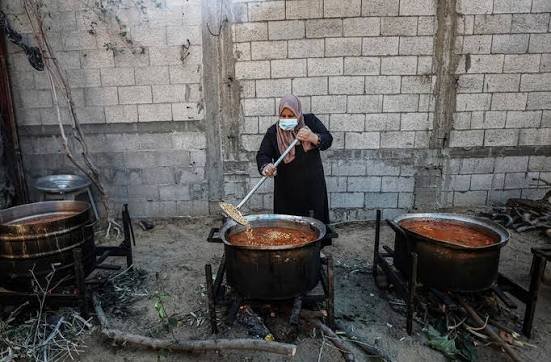
The WFP has also reduced its daily distribution of hot meals from 250,000 to 150,000, eliminating 100,000 meals a day at a time when hundreds of thousands of displaced Palestinians depend on community kitchens and humanitarian food distributions to meet their basic nutritional needs.
The cuts have created a dangerous convergence of shortages, with bread production now threatened by a lack of flour while the humanitarian programs that might otherwise compensate for reduced bakery output are themselves being scaled back.
The WFP has appealed for $450 million in urgent funding to sustain its humanitarian operations in Gaza and the occupied West Bank through March 2027.
More Than 1.4 Million Palestinians Face Acute Food Insecurity
According to the World Food Programme, approximately 1.4 million people in Gaza are experiencing acute food insecurity at crisis levels or worse, including around 200,000 facing emergency levels of food deprivation.
The agency’s figures also reveal the devastating impact of prolonged food shortages on children, with only one in five receiving a sufficiently diverse diet to meet basic nutritional needs.
Unemployment has exceeded 80%, leaving much of the population without a reliable source of income and severely limiting families’ ability to purchase food even when some products are available in local markets.
These conditions mean that the availability of food on market shelves offers little relief to households that have lost their income, savings, and access to regular humanitarian distributions.
Bread remains one of the most important staples for Palestinian families, particularly those unable to afford meat, vegetables, dairy products, and other nutritious foods. Although flour alone cannot meet the dietary needs of children, pregnant women, patients, and older people, maintaining bread production is essential to preventing further reductions in daily food consumption.
The prospect of bakeries closing therefore threatens far more than a temporary interruption in food production. It could remove one of the few remaining affordable and accessible sources of food for families already surviving on severely reduced rations.
Winter Approaches as 300,000 Families Lack Adequate Shelter
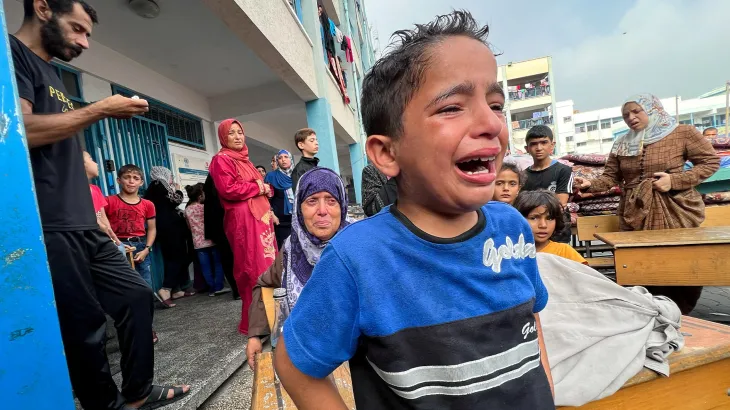
The warning over bread supplies comes as Gaza’s displaced population prepares for another winter without adequate shelter, with hundreds of thousands of families living in damaged tents and overcrowded displacement sites.
On October 13, Gaza’s Ministry of Social Development warned that approximately 300,000 families face the approaching winter without suitable shelter, while nearly 90% of the tents currently in use have become worn out and unfit for habitation.
Many displaced Palestinians have spent prolonged periods living in temporary shelters that offer little protection from heavy rainfall, strong winds, or falling temperatures, while shortages of food, clean water, and essential household supplies continue to undermine their health and well-being.
For families living in these conditions, the possibility of losing access to bread adds another burden to an already desperate situation, particularly as children, older people, and those suffering from illness face increased risks from inadequate nutrition and exposure to harsh weather.
The overlapping shortages of food, shelter, and humanitarian assistance have left families increasingly vulnerable, with aid agencies struggling to maintain even minimum levels of support.
Israeli Attacks Continue as Humanitarian Conditions Deteriorate
The worsening food situation is unfolding alongside continued Israeli military attacks across the Gaza Strip, further endangering displaced Palestinians and disrupting efforts to restore basic living conditions.
Early Thursday, four members of one Palestinian family, including children, were wounded when an Israeli strike targeted a tent inside Mustafa Hafez School west of Khan Younis, according to medical sources.
The attack coincided with Israeli airstrikes on residential buildings and demolition operations in other parts of the territory, underscoring the continuing danger facing civilians despite the ceasefire that took effect in October 2025.
Gaza’s Ministry of Health reported Thursday that four Palestinians had been killed and 12 others wounded during the preceding 24 hours, bringing the number of Palestinians killed since the October 11, 2025, ceasefire to 1,538, with another 5,498 wounded.
The continued attacks have compounded the humanitarian emergency, leaving displaced families exposed to further injury and displacement while essential food supplies, shelter materials, and relief services remain critically insufficient.
Gaza Faces the Loss of Another Essential Food Lifeline
The Bakery Owners Association’s warning places renewed urgency on efforts to secure flour and other essential baking materials before existing supplies are exhausted.
With bakeries potentially shutting down within 48 hours, the WFP reducing food distributions, and humanitarian organizations facing severe funding shortages, Gaza’s population is confronting a rapidly narrowing supply of food at a time when families have little capacity to absorb further losses.
The danger is particularly severe for households that depend on bread distributions and community kitchens, as the simultaneous reduction of both services could leave them without a dependable means of obtaining daily meals.
Urgent deliveries of flour and baking supplies, sustained humanitarian access, and the restoration of food assistance are essential to preventing the situation from deteriorating further.
Without immediate action, the threatened closure of Gaza’s bakeries could deepen hunger across the territory, depriving hundreds of thousands of Palestinians of a basic food staple as winter approaches and the humanitarian needs of displaced families continue to grow.