Gaza Herald- The humanitarian situation in the Gaza Strip is deteriorating as Israeli restrictions on the entry of goods and humanitarian assistance continue, alongside shortages of essential food supplies and reductions in international aid.
The World Food Program (WFP) has reduced food assistance, affecting approximately half a million Palestinians because of funding shortages, adding to the challenges facing an estimated 1.9 million displaced people living in difficult conditions as winter approaches.
Restrictions on the entry of goods and essential supplies have continued despite the ceasefire agreement that took effect on October 10, 2025. Concerns about food insecurity are increasing as humanitarian deliveries decline, flour and fuel supplies remain limited, and prices for basic commodities rise.
Significant Shortfall in Truck Deliveries
According to official sources in Gaza, Israeli authorities have permitted the entry of only 33.7% of the agreed-upon truck shipments carrying humanitarian aid and commercial goods since the ceasefire began.
The sources estimated that the shortfall amounts to approximately 150,000 truckloads of essential supplies that had been expected to enter the territory.
They said the volume of goods entering Gaza remains below the levels agreed upon, contributing to shortages in local markets and making it difficult for residents to meet their daily needs.
Palestinian officials have also accused Israel of tightening restrictions while international attention is focused on regional crises and electoral developments. These allegations have not been independently verified.
Flour and Fuel Shortages Disrupt Bakery Operations
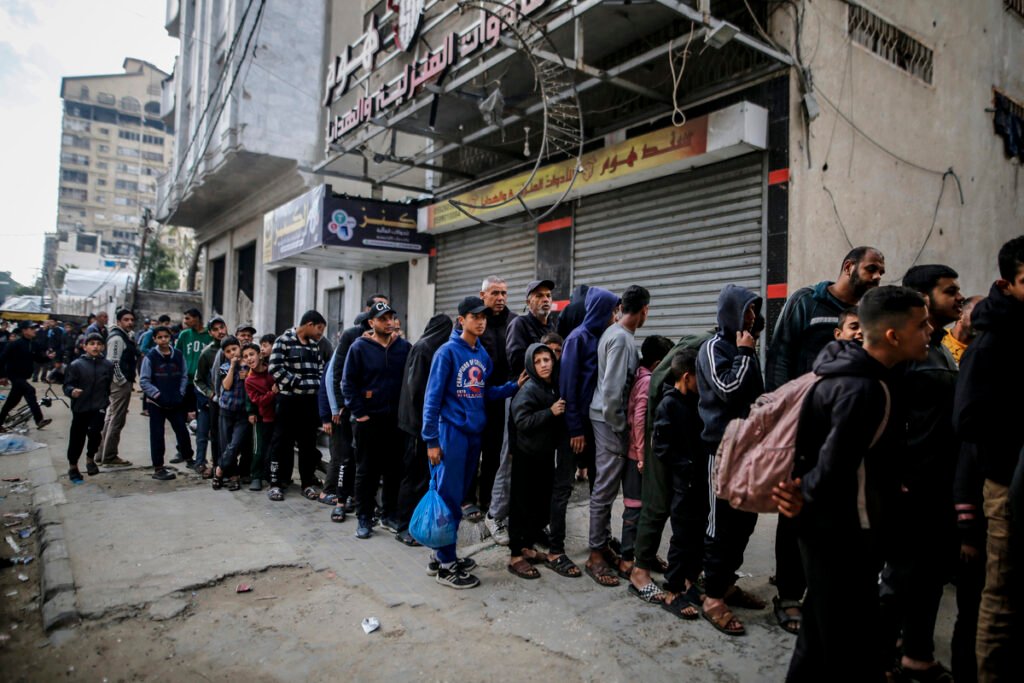
Ismail al-Thawabta, director general of Gaza’s Government Media Office, warned that shortages of flour and fuel are affecting bread production across the territory.
He said several bakeries have already closed and expressed concern that additional facilities could suspend operations if supplies do not improve.
Abdel Nasser al-Ajrami, head of the Bakery Owners Association, reported that shortages of commercially supplied flour have forced 10 of the 17 bakeries previously operating at reduced capacity to close.
He warned that the remaining bakeries could also stop operating unless they receive the raw materials needed to maintain production.
Food shortages are affecting other products as well.
Nahed Shuheiber, head of the Private Transport Companies Association, said local markets are experiencing severe shortages of several essential vegetables and food items.
He noted that potatoes, onions, and tomatoes have become particularly scarce, resulting in substantial price increases when supplies are available.
WFP Aid Reductions Affect Approximately 500,000 Palestinians
The restrictions on supplies coincide with funding shortages affecting humanitarian organizations operating in Gaza.
In mid-October, the World Food Program announced reductions in food assistance because of insufficient financial resources.
According to the report, approximately 500,000 Palestinians have been affected by the reductions, losing access to food rations on which they had depended to meet their daily needs.
Gaza’s Ministry of Social Development warned that the cuts could have particularly serious consequences for low-income households, widows, orphans, and people with disabilities.
The ministry said these groups face additional difficulties because of their limited access to alternative sources of food and income.
Meanwhile, an estimated 1.9 million displaced Palestinians are living in temporary shelters, including tents and displacement centers that often lack adequate infrastructure and basic services.
Humanitarian concerns are expected to increase as winter approaches, particularly for families living in shelters that offer limited protection from rain, cold temperatures, and severe weather.
Infrastructure Damage Increases Dependence on External Assistance
Since October 2023, Israeli military operations in Gaza have killed more than 74,000 Palestinians and injured over 175,000 others, according to the figures cited in the original report.
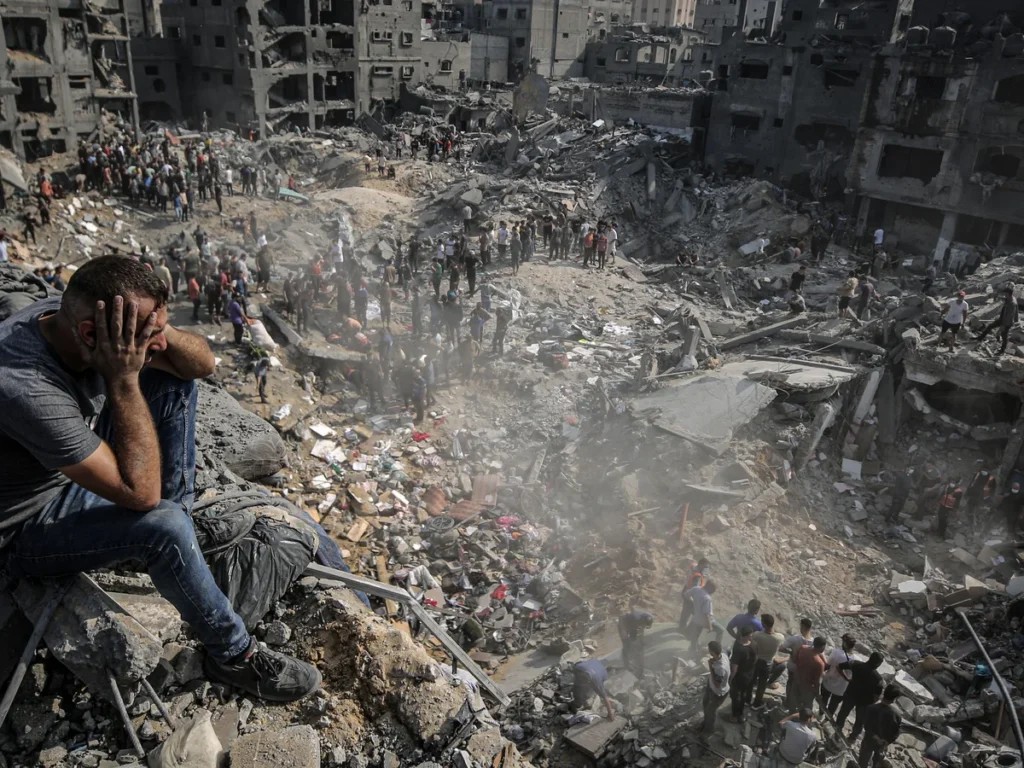
The conflict has also caused extensive damage to residential areas, public infrastructure, agricultural land, and industrial facilities.
According to the report, approximately 90% of Gaza’s civilian infrastructure has been damaged or destroyed, affecting agricultural production, manufacturing, and the delivery of essential services.
Damage to farmland, production facilities, and supply networks has reduced Gaza’s capacity to produce and distribute food locally.
As a result, much of the population has become increasingly dependent on humanitarian assistance and imported goods.
However, restrictions on incoming shipments and funding shortages affecting international relief programs have made it more difficult to meet the population’s needs.
Concerns Grow Over Food Security Ahead of Winter
The combination of limited imports, reduced humanitarian assistance, damaged infrastructure, and rising food prices is placing additional pressure on households across the Gaza Strip.
Humanitarian organizations and local officials have warned that continued disruptions to food supplies could further increase food insecurity, particularly among displaced families and other vulnerable groups.
As winter approaches, improving the availability of essential goods, maintaining humanitarian assistance, and restoring basic services remain key priorities for addressing Gaza’s humanitarian needs.