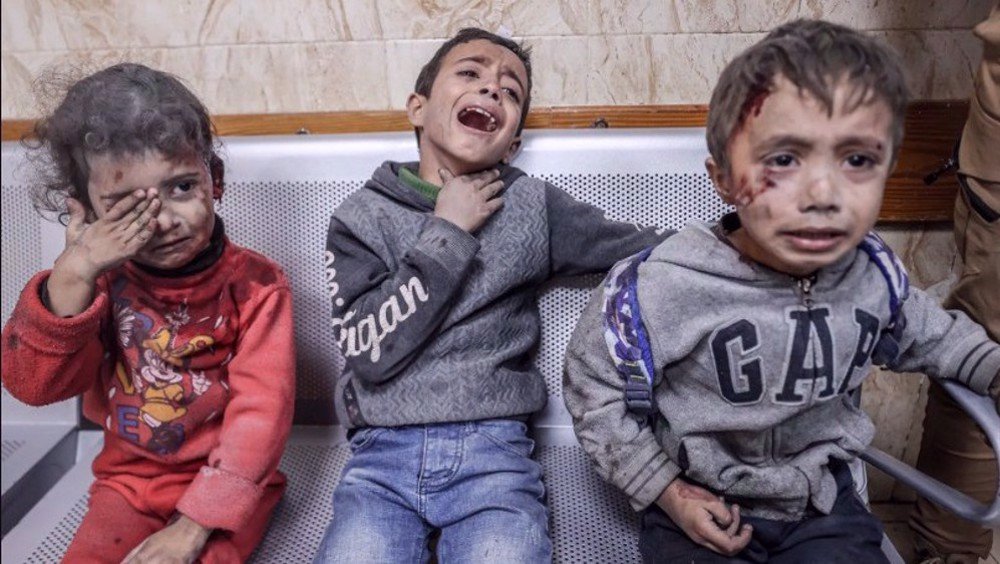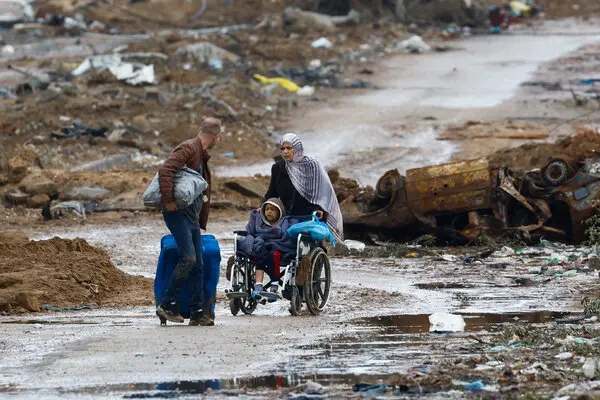
Gaza Herald — Israel’s policy of engineered starvation continues to claim Palestinian lives across the Gaza Strip, where years of all-out war, strict blockades on aid deliveries, forcible displacement, and the systematic destruction of agricultural land have left families struggling to secure basic survival.
On World Food Day, the Palestinian Ministry of Health reported that at least 466 Palestinians, including 157 children, have died directly from severe malnutrition and starvation since 2024, exposing the devastating human cost of the occupation’s deliberate food blockade. The ministry’s figures include 189 elderly Palestinians, accounting for 40.5% of recorded fatalities.
The toll highlights the extreme vulnerability of children, older people, and chronic patients who are denied access to essential food supplies. More than 1.4 million Palestinians are projected to face catastrophic levels of food insecurity or worse through the end of 2026.
Engineered Starvation and Blockades on Life-Saving Food Supplies
Palestinian authorities confirmed that Israel is systematically deploying starvation as a method of warfare throughout its military campaign in Gaza, enforcing strict border closures and deliberately obstructing humanitarian shipments. In March 2025, tightened military controls prevented thousands of aid trucks from entering the enclave, worsening shortages while families were already facing acute hunger.
After 81 days of total blockades on comparable aid deliveries, only 87 trucks were permitted entry in late May 2025, according to Gaza’s Government Media Office. This minimal resumption failed to relieve the crisis, with Palestinian officials reporting that by February 2026, Israeli authorities permitted only around 34% of the humanitarian trucks promised under ceasefire terms into the Strip.
The consequences extend beyond the severe shortage of food packages. Repeated forced displacement has severed families from their homes and livelihoods, while the deliberate destruction of farms, small businesses, local markets, and water infrastructure has dismantled Gaza’s capacity to produce food internally. With household incomes wiped out and food prices skyrocketing, families are left entirely dependent on scarce relief distributions and community kitchens.
For households caring for young children, pregnant women, elderly relatives, or chronic patients, irregular access to food rapidly escalates into a fatal medical emergency. The distinction between minimal caloric survival and obtaining essential nutrient intake remains a matter of life or death, particularly for developing children.
Over 158,000 Palestinian Children Suffering from Acute Malnutrition
The Ministry of Health documented more than 158,000 cases of acute malnutrition among children under five between 2024 and August 2026. Of these cases, 18% suffered from severe acute malnutrition, a critical, life-threatening condition requiring immediate medical intervention.
The ministry also reported that 12.2% of children are suffering from stunting, representing permanent developmental damage inflicted by long-term nutritional deprivation. Health officials emphasized that malnutrition and starvation rates in Gaza have reached catastrophic levels, directly taking the lives of children, the elderly, and vulnerable groups.
The severe impact of prolonged hunger extends beyond rapid weight loss or physical wasting. Severe nutritional deficits compromise immune systems, heighten vulnerability to deadly infections, delay growth, and impair cognitive development. Children who survive acute starvation face lifelong health and developmental setbacks, particularly while therapeutic nutrition and medical follow-up remain blocked by occupation forces.
The scale of the starvation crisis further overwhelms Gaza’s targeted healthcare system, where treating acute malnutrition requires specialized therapeutic foods and medical supplies that remain barred from entering. The ministry projected that 74,200 children will require urgent treatment for acute malnutrition through April 2027, underscoring the imperative of breaking the blockade and securing uninterrupted entry for nutritional supplements.
Pregnant Women Face Severe Health Risks as Anemia Soars
Israel’s starvation campaign severely impacts pregnant Palestinian women and unborn infants. Ministry of Health data shows that anemia among pregnant women surged to 61% in 2026, up from 41% before the genocidal assault.
The ministry documented approximately 4,000 pregnancy losses during the first half of 2026 alone, more than triple the figure reported in the preceding six months, confirming that one in three pregnancies in Gaza is now classified as high-risk. Inadequate maternal nutrition compounds severe health risks, depriving mothers of protein, iron, and essential vitamins. Starvation, displacement, extreme stress, and shattered healthcare services leave mothers without prenatal care, turning manageable conditions into fatal complications.
These numbers demonstrate a crisis reaching far beyond immediate death tolls, as starving mothers give birth under conditions that threaten the health of upcoming generations.
The combination of forced starvation and a decimated health sector subjects women to preventable life-threatening complications. Concurrently, elderly Palestinians face devastating mortality rates, with 189 deaths representing over two-fifths of all starvation fatalities reported by the ministry. Age-related conditions and fragile physical health make prolonged food deprivation particularly fatal for elderly Palestinians who are displaced, isolated, or unable to reach aid delivery points.
The Fundamental Right to Food Must Be Enforced
The Ministry of Health urged the United Nations and the international community to take immediate action to end the blockade and guarantee the safe, sustained, and unrestricted entry of food, medicine, and specialized therapeutic nutrition into Gaza. It demanded immediate support for children, pregnant and breastfeeding mothers, and the elderly, alongside urgent efforts to restore Gaza’s destroyed agricultural lands, reaffirming that the right to food is an absolute human right that cannot be suspended under aggression or war.
Ending Gaza’s hunger crisis requires far more than sporadic emergency food drops. Palestinian families require unhindered access to basic commodities, functional local markets, safe drinking water, medical care, and economic self-sufficiency. Restoring bombed agricultural grounds, repairing destroyed civil infrastructure, and lifting all military restrictions on commercial and relief shipments are essential steps to ending forced dependency on aid.
The deaths documented on World Food Day demonstrate that starvation is measured not only by empty shelves, but by children with stunted growth, mothers suffering high-risk pregnancy losses, elderly people succumbing to deprivation, and families struggling to survive under a brutal siege. For the people of Gaza, halting this disaster requires lifting the blockade, restoring essential services, and securing the fundamental right to life and food without military obstruction.