Gaza Herald — For tens of thousands of children in Gaza, the consequences of war are measured not only in the homes destroyed or the schools they can no longer attend, but in the parents who will never return. UNICEF estimates that approximately 60,000 children in the territory have lost one or both parents, leaving a generation to navigate grief, displacement, and uncertainty while struggling to reclaim the ordinary rhythms of childhood.
More than a year after the ceasefire announced in October 2025, children across Gaza continue to face deadly attacks, severe living conditions, and limited access to essential services. The truce has brought some improvements, but it has not ended the dangers confronting the territory’s youngest residents.
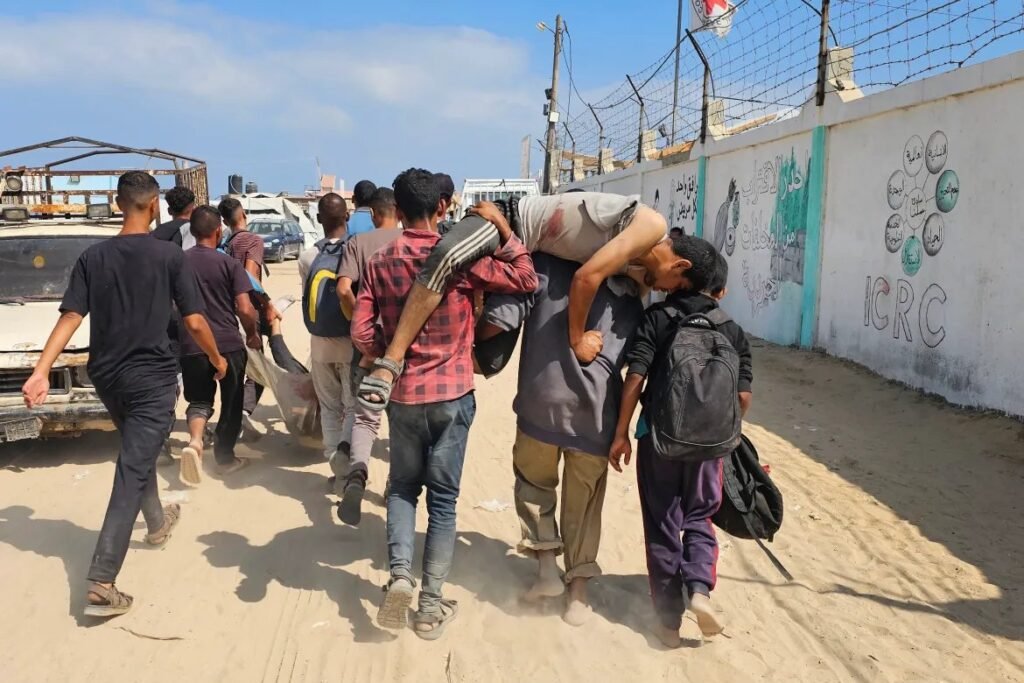
UNICEF spokesperson Ricardo Pires said that Israeli attacks had killed more than 340 children and injured hundreds of others since the ceasefire took effect. During the two weeks preceding his briefing at the United Nations office in Geneva, seven children were reportedly killed and at least 33 others sustained serious injuries. Two additional children later died from injuries they had previously sustained.
The figures underscore the continuing gap between the promise of a ceasefire and the reality experienced by children whose lives remain exposed to violence.
Thousands of Children Growing Up Without Parents
The estimated 60,000 children who have lost one or both parents represent one of the most enduring consequences of the war. Behind the figure are children deprived of the people who once provided protection, emotional support, and a sense of stability.
For those who have lost both parents, the challenges can extend to finding safe accommodation, receiving consistent care, and maintaining access to education and healthcare. Children who have lost one parent may also face the strain of displacement and bereavement while their surviving caregivers struggle to meet the family’s basic needs.
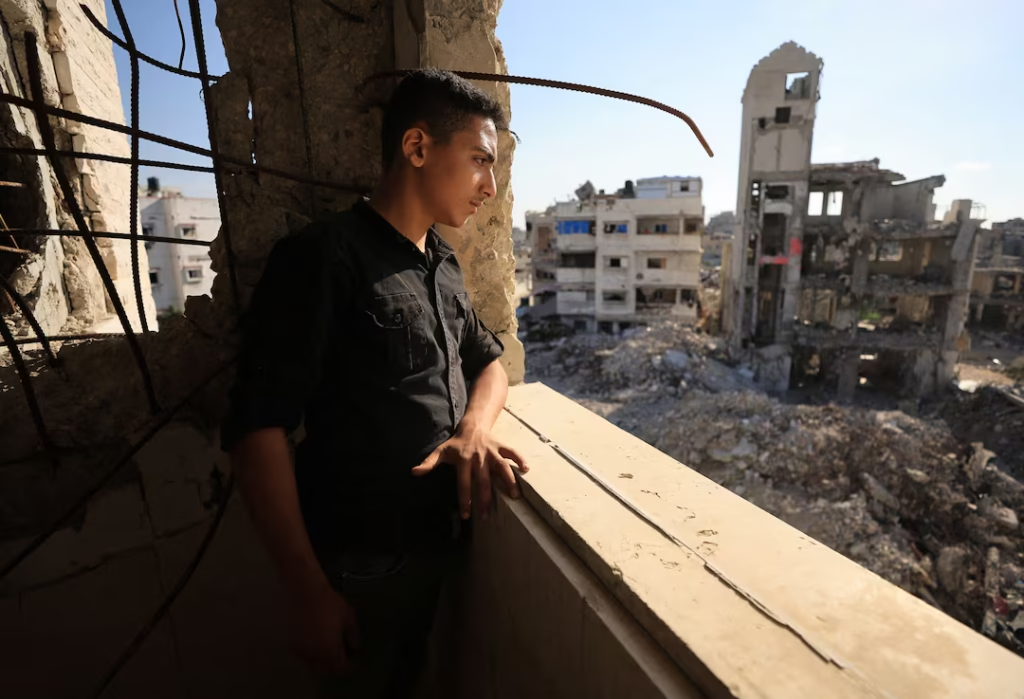
These losses have unfolded alongside the destruction of homes, schools, and community networks that would ordinarily help children cope with grief. Many have been uprooted repeatedly, separated from relatives, or forced to depend on humanitarian assistance for their most basic needs.
The effects of such losses cannot be measured by orphanhood figures alone. Grief is unfolding in a setting where stability remains elusive and where families themselves may lack the resources needed to provide sustained care and emotional support.
Displacement Continues to Shape Everyday Life
According to UNICEF, approximately 800,000 children remain displaced across Gaza. Many are living in tents or damaged buildings that may expose them to further danger, particularly as winter approaches for the fourth time since the war began.
Displacement has stripped children of more than their homes. It has disrupted their education, friendships, routines, and access to healthcare. Overcrowded shelters and inadequate living conditions make it difficult for families to establish a secure environment, while shortages of essential services continue to affect daily life.
The ceasefire has brought limited improvements in food security, UNICEF said, but the wider humanitarian crisis continues to shape nearly every aspect of children’s lives. Many families remain unable to meet their needs without assistance, and essential services remain unavailable or operate at reduced capacity.
For children who have already experienced bereavement, injury, or prolonged fear, the absence of a stable home can make recovery even more difficult. A tent or damaged building may offer temporary shelter, but it cannot replace the security and continuity children need to rebuild their lives.
Education Returns, but Recovery Remains Uneven
Despite the destruction and displacement, efforts to restore education have continued. UNICEF reported that more than 560,000 children had returned to learning through different educational initiatives since the ceasefire began in October 2025. More than 200 learning centers supported by the organization are among the facilities helping children resume their studies.
The return to learning represents an important step toward restoring routine and giving children opportunities to reconnect with peers and teachers. Educational spaces can also provide a degree of structure and psychosocial support for children whose lives have been dominated by uncertainty.
Yet the number of children returning to education does not erase the scale of the disruption. Many have lost years of schooling, while damaged infrastructure, widespread displacement, severe resource shortages, and persistent funding gaps continue to constrain educational recovery across the enclave.