Gaza Herald_ Under the 1948 UN Convention on the Prevention and Punishment of the Crime of Genocide, genocide is defined as acts committed with the clear intent to destroy, in whole or in part, a national, ethnic, racial, or religious group. Crucially, the convention binds the international community not merely to prosecute genocide after the fact but to prevent it actively. Today, that solemn promise faces its most catastrophic test in Gaza, where the machinery of killing continuously outpaces the slow machinery of international law.
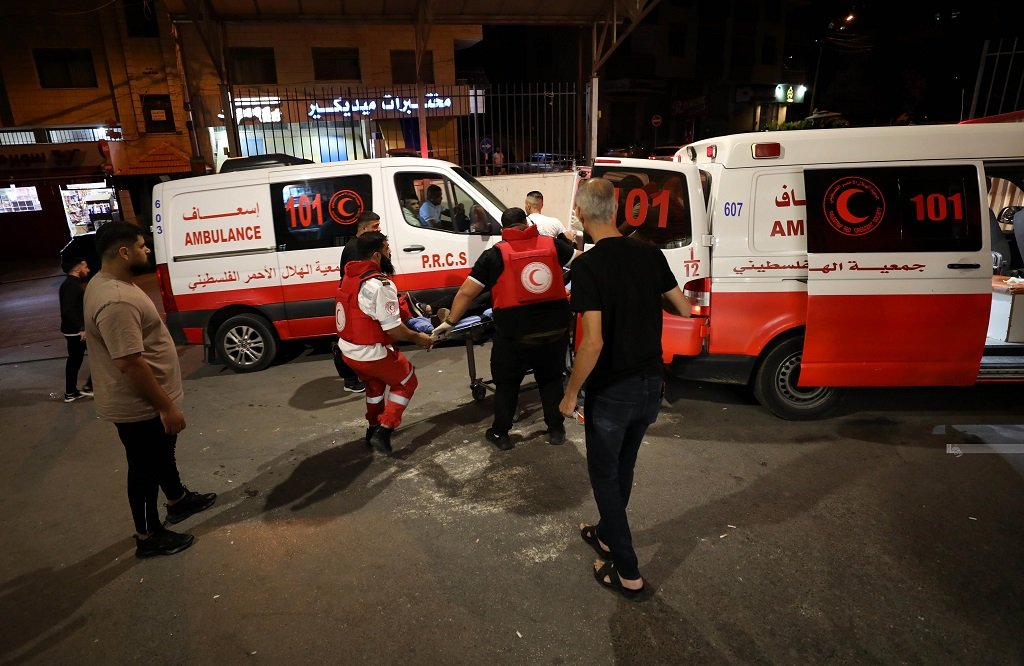
On December 29, 2023, South Africa formally brought the question of Israel’s actions in Gaza before the International Court of Justice (ICJ). Within weeks, the court declared the allegation plausible and issued binding orders instructing Israel to prevent genocidal acts. Despite these directives, operations intensified. By September 16, 2025, the United Nations Independent International Commission of Inquiry delivered a definitive verdict: Israel had committed genocide in Gaza, citing both the systematic destruction on the ground and the explicit, dehumanizing statements made by top Israeli officials. By early 2026, the grim tally recorded by Gaza’s Ministry of Health exceeded 75,000 Palestinians killed, over 20,000 of them children, and more than 171,000 injured, alongside the displacement of over 1.2 million people.
Decades of Confinement and Dehumanization
Scholars and human rights experts emphasize that genocide is rarely a sudden moment of madness; it is a structural pattern that unfolds in deliberate stages, moving from systemic discrimination and resource deprivation to dehumanization and, ultimately, extermination.
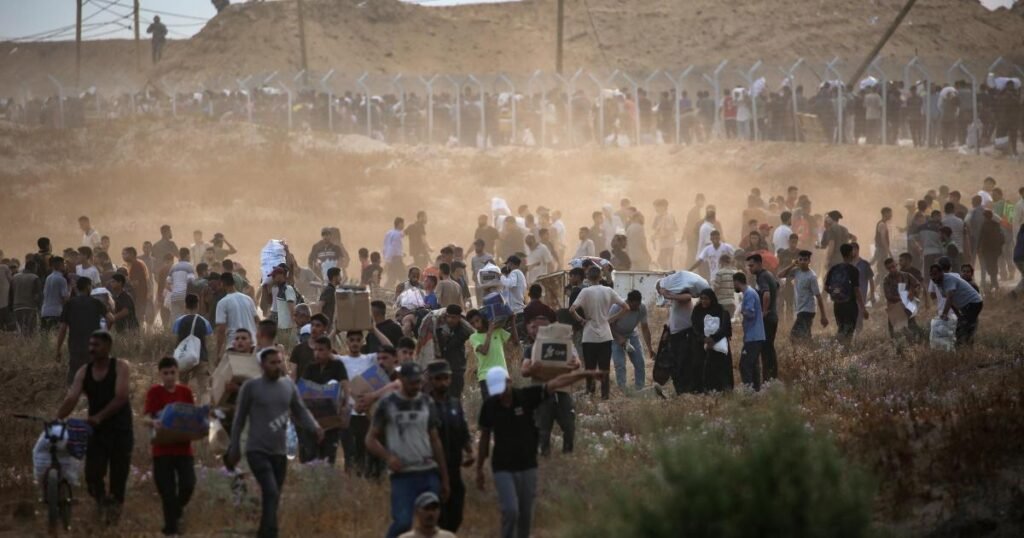
For Gaza, the foundations of this crisis were laid decades ago. The narrow coastal strip of 365 square kilometers, one of the most densely populated places on Earth, is primarily inhabited by refugees and descendants of refugees ethnically cleansed during the 1948 Nakba surrounding Israel’s creation. Held under decades of military occupation and a suffocating land, air, and sea blockade imposed since 2007, Gaza was systematically reduced to a state of artificial crisis. By 2023, prolonged siege had driven unemployment near 60% and left two-thirds of the population food insecure.
A deliberate rhetoric of dehumanization accompanied this physical confinement. Following the armed breakout of October 7, 2023, top leadership framed the collective population through genocidal rhetoric, referencing Biblical concepts like “Amalek,” a cultural code historically understood as an order to leave no survivors, child or adult. Rights advocates note that by replacing the image of a human being with a generalized “category of danger,” mass violence became normalized across the political spectrum and inside military ranks.
The Automation of Destruction
What distinguishes the genocide in Gaza from past atrocities is the scale at which modern artificial intelligence was deployed to streamline destruction:
* The Gospel (“Habora”): An AI platform designed to auto-generate high-volume structural targets, including residential buildings, infrastructure, universities, and hospitals, producing hundreds of potential strike sites daily to bypass human analytical bottlenecks.
* Lavender: A tracking system that scanned almost the entire population, assigning numerical “scores” to individuals based on broad behavioral patterns. Human oversight was reportedly reduced to as little as 20 seconds per target, just enough to verify the target was male, effectively reducing human lives to machine-generated statistics.
* Where’s Daddy? A tracking system designed to monitor identified targets and deliberately signal strikes when individuals returned home, knowingly targeting them while surrounded by their families, children, and civilian neighbors.
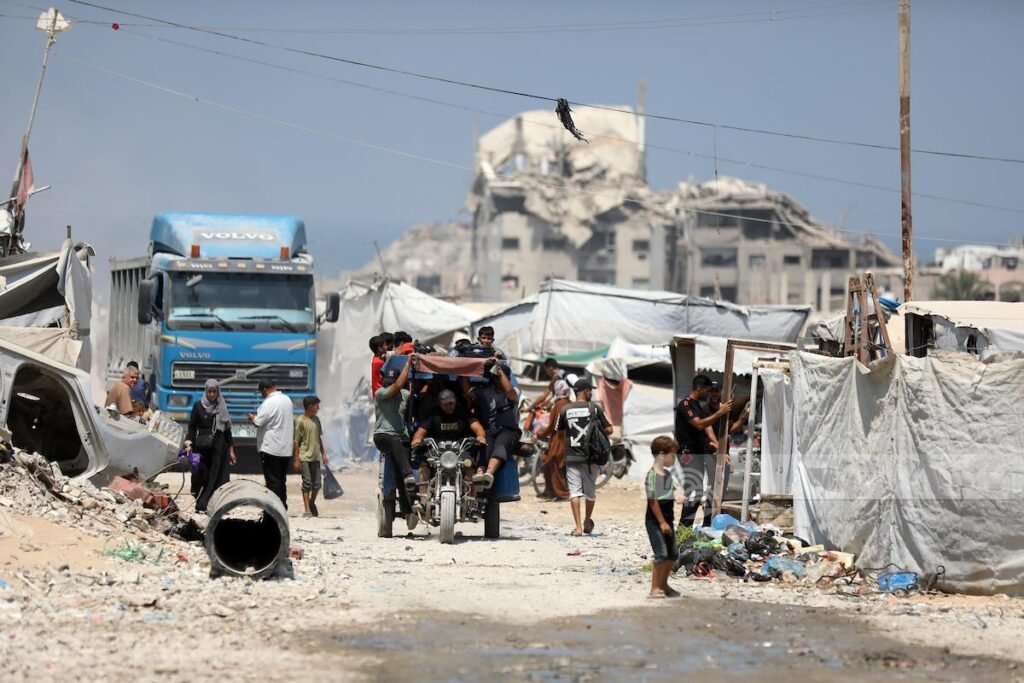
Satellite assessments by UNOSAT indicated that more than 80% of all structures in Gaza were damaged or destroyed, rendering vast swaths of the territory completely uninhabitable and requiring decades just to clear the rubble.
A Failure of Global Enforcement
The international response has exposed a profound collapse in global accountability mechanisms. Prominent human rights organizations, including B’Tselem, Israel’s largest domestic human rights group, joined global bodies in concluding that genocide was taking place. The International Criminal Court (ICC) subsequently issued arrest warrants for senior leadership, charging them with using starvation as a weapon of war.
Yet, despite explicit rulings from the ICJ, official UN findings, and ICC warrants, Western powers continue to supply heavy munitions, provide diplomatic cover, and enable the ongoing military campaign with absolute impunity. While human rights defenders and international lawyers document evidence for legal proceedings that may take years to conclude, the deliberate deprivation of food, medical care, and shelter continues daily. The promise of “Never Again” has been reduced to a theoretical benchmark, tested and broken in real time before a watching world.