Gaza Herald — The deterioration of Gaza’s health system is no longer limited to the declining number of hospitals able to operate. It is now evident in daily realities that directly affect patients’ lives: dialysis sessions are being reduced, operating rooms are functioning at limited capacity, and ambulances are struggling to reach the injured, while medical teams fight to maintain even the minimum level of services amid shortages of fuel, supplies, and electricity.
In a new warning, Bassam Zakout, director of Medical Relief in Gaza, said on Monday that the health system was facing a major and rapidly accelerating collapse, as Israeli attacks continued across the Strip, from northern Gaza to the south, while shortages of medical personnel, operational supplies, and energy continued to worsen.
But the danger posed by this deterioration extends beyond hospitals’ ability to receive new casualties. It also threatens patients who require continuous treatment and the services intended to prevent illnesses from becoming more serious before patients reach emergency rooms.
Dialysis Patients: When Regular Treatment Becomes a Daily Struggle
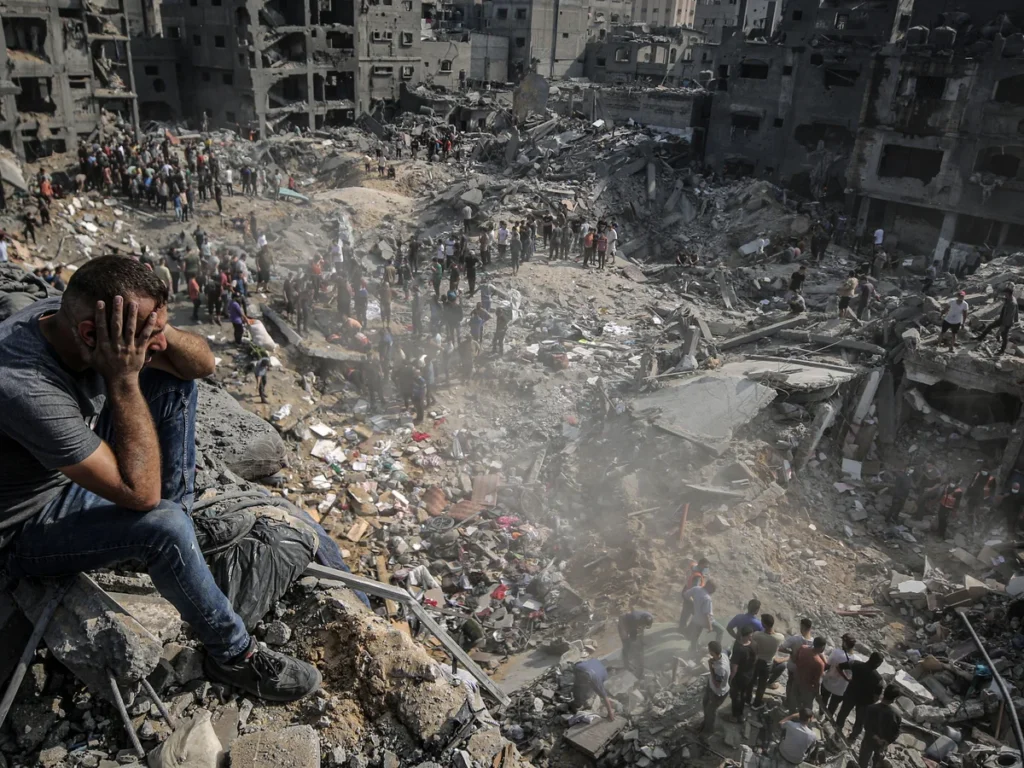
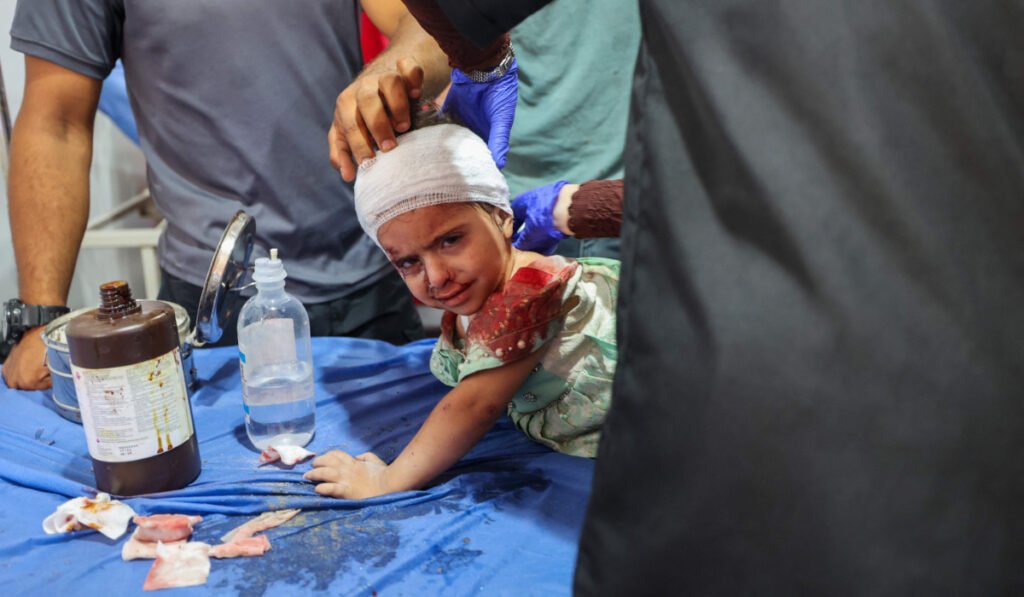
Zakout said in press statements that medical teams were facing immense difficulties in dealing with the growing number of injuries, particularly at night, amid power outages and complete darkness. Ambulances are also unable to reach many areas because of the extensive destruction of roads and infrastructure.
He explained that the operating capacity of hospitals and operating rooms had fallen to its lowest levels due to severe shortages of medical staff and the continuing electricity crisis. He noted that securing oil for generators had become one of the main obstacles to maintaining health services.
He added that health facilities had been forced to reduce their operating hours by between 70 and 80 percent, while staff relied on temporary solutions each day to preserve the minimum level of services amid ongoing security risks and continued bombardment.
The dialysis crisis reveals one of the most serious aspects of this deterioration. According to the latest report by the United Nations Office for the Coordination of Humanitarian Affairs (OCHA), a shortage of a substance essential for dialysis at Al-Shifa Hospital forced approximately 45 to 50 percent of its dialysis machines out of service, reducing treatment capacity for around 240 patients suffering from kidney failure.
The hospital was consequently forced to reduce the number and duration of dialysis sessions to preserve the minimum level of service, according to the report, at a time when these patients depend on regular treatment that cannot be postponed or discontinued without serious health risks.
The crisis therefore goes beyond a shortage of equipment or operational materials. It becomes a question of whether patients can receive their treatment on time, and whether medical teams can continue providing it despite dwindling resources.
From Treating Injuries to Preventing Disease
The consequences of the collapse of health services are not limited to hospitals and operating rooms. OCHA has warned of growing health risks in displacement sites, with approximately 9,300 cases of chickenpox recorded over just two weeks across more than 130 health facilities, amid overcrowding, deteriorating hygiene and sanitation conditions, accumulating waste, and the spread of rodents and insects.
According to the report, the presence of approximately 1.7 million people living in more than 1,600 displacement sites is increasing the risk of disease transmission and placing additional pressure on a health system already suffering from severe resource shortages.
These figures show that Gaza’s health system is not only struggling to treat injuries, but is also bearing the consequences of conditions that increase the likelihood of disease outbreaks, at a time when its ability to provide care, prevention, and early-response services is declining.
Ambulances Unable to Reach Patients, Medical Teams Working Under Threat
Zakout condemned attacks on remote and hard-to-reach areas late at night, saying they made it more difficult for ambulance crews and medical teams to reach the injured and exposed patients and casualties to additional risks.
He also warned of the humanitarian and health consequences of the continued detention of the bodies of martyrs and the prevention of efforts to recover the remains of victims from beneath the rubble, alongside what he described as the harsh conditions faced by Palestinian detainees, including doctors and healthcare workers held in Israeli prisons.
Under these circumstances, reaching a hospital no longer guarantees access to treatment. Nor does the presence of medical staff guarantee that care can be provided when electricity, fuel, supplies, and access routes themselves remain under constant threat.
A Collapse That Goes Beyond Buildings
Zakout’s warning comes as Gaza’s health system faces a cumulative crisis caused by the destruction or disabling of a large number of health facilities, along with continuing shortages of medicines, medical supplies, energy, and personnel. These conditions have reduced hospitals’ ability to receive patients and casualties and provide essential services.
Zakout stressed that the continuation of these conditions threatens to turn the current deterioration into a broader collapse of the health system, amid the absence of safe conditions that would allow medical teams to work normally and the continuation of attacks and restrictions that obstruct the movement of ambulances and the delivery of medical supplies to affected areas.
But the wider consequences of this collapse are evident in the fact that patients are losing more than access to hospitals. They are also losing continuity of treatment, timely medical response, and the services that prevent illnesses from developing into more serious crises.
The danger facing Gaza, therefore, is not limited to a hospital shutting down or a machine going out of service. It lies in the declining ability of the entire health system to perform its essential functions: saving the injured, treating patients, and preventing the spread of disease, at a time when health needs are growing and the resources available to meet them are shrinking.