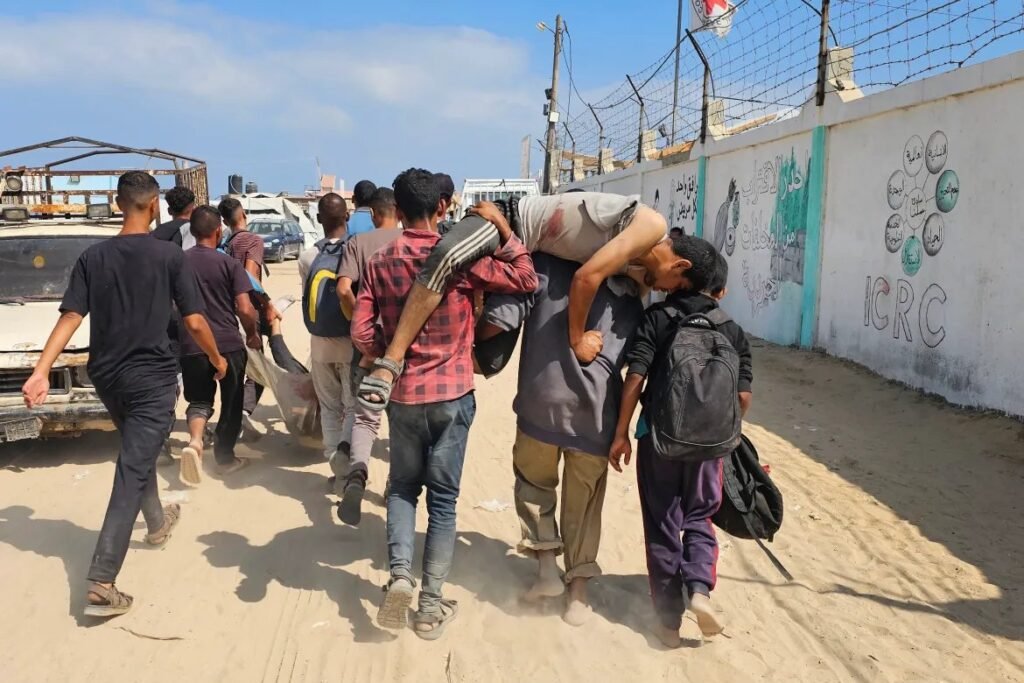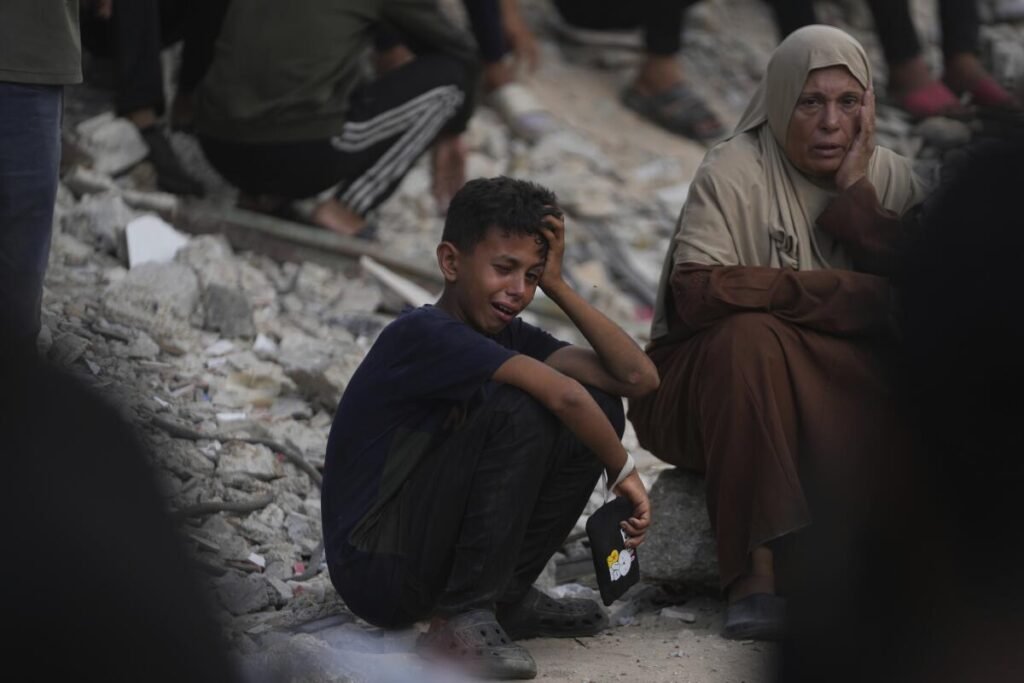
Gaza Herald_ Nearly 10 months after a ceasefire agreement intended to halt military operations and allow the unrestricted entry of humanitarian aid, children in Gaza continue to bear the devastating consequences of the conflict. During the 300 days since the ceasefire was announced in October 2025, at least 300 children have reportedly been killed in the Gaza Strip, an average of one child every day.
Commenting on the situation on Aug. 6, 2026, UNICEF Regional Director for the Middle East and North Africa Edouard Beigbeder said the continued loss of children’s lives highlights the failure to protect Gaza’s youngest residents. He noted that hundreds more children have been injured, many of them severely, while those who survived are still waiting for the end of the violence they were promised.
Families remain confined to roughly one-third of the Gaza Strip, where they endure extreme summer temperatures in overcrowded shelters surrounded by destroyed buildings, rubble, and accumulating waste. With nearly 90 percent of the territory’s water and sanitation infrastructure damaged or destroyed, children continue to face severe risks from malnutrition, disease, unsafe drinking water, and unsanitary living conditions.
To help improve conditions, UNICEF supports waste collection and recycling efforts in central Gaza, including workers such as Wasim Mohammed Abu Nasr in Deir al-Balah. He said keeping displacement camps clean is essential to protecting children, explaining that scrap metal left in the streets often causes injuries when children play with it.
Despite severe operational and access constraints, UNICEF and its partners continued delivering humanitarian assistance across Gaza during the first half of 2026. More than 1.15 million people received safe drinking water through emergency water trucking, while 516,000 people gained access to sanitation services. Primary health care reached 487,000 women and children, and more than 11,000 sick and vulnerable newborns received specialized inpatient care. UNICEF also screened and treated over 19,400 children for acute malnutrition, provided infant and young child feeding counseling to 163,000 caregivers, and helped 266,000 children access formal and non-formal education, offering opportunities to continue learning amid ongoing hardship.