
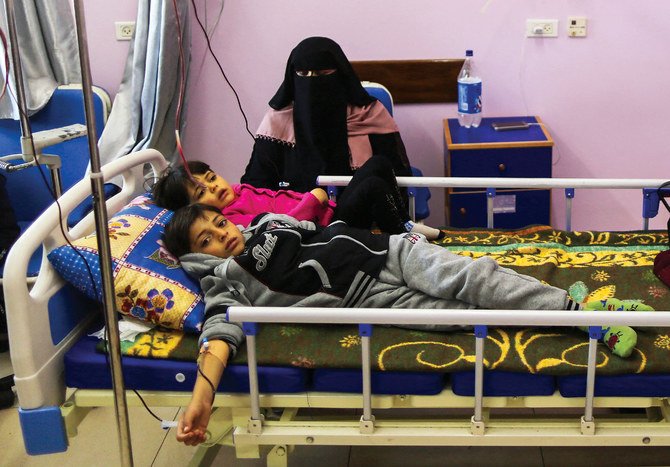
Gaza Herald _Dr. Saleh Sheikh al-Eid, head of the oncology and hematology department at Nasser Medical Complex in Khan Younis, has warned of the growing risk of cancer patients dying in the Gaza Strip, saying that between three and four patients are losing their lives every day because of delayed treatment and the inability to access specialized care.
The situation is compounded by Israeli restrictions on patients traveling outside Gaza and severe shortages of essential medications.
Speaking to Filastin newspaper on Wednesday, Sheikh al-Eid said cancer patients in Gaza are facing extremely harsh medical conditions. He estimated that around 11,000 patients require ongoing monitoring and treatment, with large numbers needing urgent travel to receive treatments unavailable inside the Strip.
He said the partial reopening of the Rafah crossing in February has failed to meet patients’ needs. Only around 30 patients from different medical specialties can leave Gaza each day, including just five or six cancer patients, a number he described as “far too small” given the scale of need.
The number of newly diagnosed cases each month exceeds the number of patients able to leave for treatment, creating a growing backlog.
“Cases diagnosed in one month are twice the number of patients who can travel,” Sheikh al-Eid said. “This means we have a constantly growing number of patients who cannot access appropriate treatment.”
The problem, he explained, is not limited to delays in travel. Gaza also lacks many of the treatment options patients require.
Some patients can initially receive the treatments available inside the Strip, but as their disease progresses, they may need to move to different treatment protocols that are not available in Gaza.
Some patients, Sheikh al-Eid said, “may die before receiving approval to travel.” Coordination procedures can take two or three weeks and sometimes more than a month, a potentially fatal delay for cancer patients requiring urgent treatment.
Breast, colon and lung cancers are the most common
The head of the oncology and hematology department at Nasser Medical Complex said the most commonly diagnosed cancers in Gaza include breast, colorectal and lung cancer, as well as prostate cancer.
The prevalence of these cancers has not changed significantly compared with the period before the war.
However, he warned that wartime conditions may increase health risks and worsen the condition of cancer patients because of malnutrition, contaminated water and air, and unhealthy living conditions inside displacement tents.
“The food currently available is not necessarily healthy food,” he said, noting that prolonged exposure of canned goods and beverages to high temperatures can affect their quality. He also pointed to the extended periods during which many Palestinians have lacked adequate nutrition.
“Poor sleeping conditions inside tents, high temperatures, the absence of cooling systems, and environmental pollution all affect people’s health and increase the suffering of cancer patients,” he said.
Medication shortages threaten patients’ lives
Sheikh al-Eid said Gaza’s cancer treatment system is facing severe shortages of specialized medicines and treatments.
Patients urgently need chemotherapy, immunotherapy and targeted therapies, as well as the diagnostic tests and laboratory work required for accurate assessment and treatment.
The shutdown of the Turkish-Palestinian Friendship Hospital, he said, dealt a major blow to cancer care in Gaza and placed additional pressure on hospitals that continue operating with severely limited resources.
The oncology outpatient clinics at Nasser Medical Complex receive at least 100 patients every day, reflecting the growing demand for treatment and follow-up care.
Patients dying before they can receive treatment
Regarding cancer-related deaths, Sheikh al-Eid said official statistics indicate that between three and four cancer patients die every day.
He believes the actual number may be higher because some patients die at home without ever reaching a hospital.
The departure of some patients for treatment outside Gaza may have slightly reduced the number of deaths recorded inside the Strip, he said, but many patients still die after prolonged treatment delays.
“Some patients die after treatment has been delayed for a long time,” he said. “Even when they eventually reach medical facilities outside Gaza, their condition may already be advanced.”
Children with cancer have relatively better access to medical evacuation, with some being referred for treatment in Jordan. The greatest difficulty, he said, remains among adult cancer patients, whose primary available destination is Egypt.
Sheikh al-Eid called for the Rafah crossing to operate for more days, saying that opening it for only three days is insufficient after prolonged periods of closure.
He urged authorities to keep the crossing open for six days or more and increase the number of patients permitted to leave for treatment.
Saving cancer patients in Gaza, he said, requires “the urgent entry of medicines, an increase in the number of patients permitted to travel, and the provision of essential medications so doctors can keep patients alive until they receive appropriate treatment outside Gaza.”
For cancer patients, he concluded, time “is not simply a matter of waiting. It can be the difference between life and death.”

