Gaza Herald _Successive United Nations investigations have concluded that Israel has committed acts of genocide in Gaza. Yet despite mounting evidence from international bodies, Western governments continue to avoid using the term “genocide” and have failed to pursue the accountability that their own legal and human rights institutions call for.
A Growing Body of UN Evidence
Once again, the United Nations has issued a stark reminder that genocide is unfolding in the Gaza Strip.
On June 23, 2026, the Independent International Commission of Inquiry on the Occupied Palestinian Territory released a detailed report documenting Israel’s actions against the Palestinian people, with particular attention to the devastating impact on Palestinian children. The report added to an expanding body of UN findings that have repeatedly warned of atrocities taking place in Gaza.
It followed the commission’s earlier report of September 16, 2025, which concluded that acts amounting to genocide were occurring, as well as the findings presented by the UN Special Rapporteur on October 20, 2025. Together, these reports form a consistent record of investigations that describe widespread violations of international law and grave crimes committed against the Palestinian population.
The growing collection of meticulously documented international reports raises an unavoidable question: What impact can such investigations have when powerful governments continue to ignore overwhelming evidence?
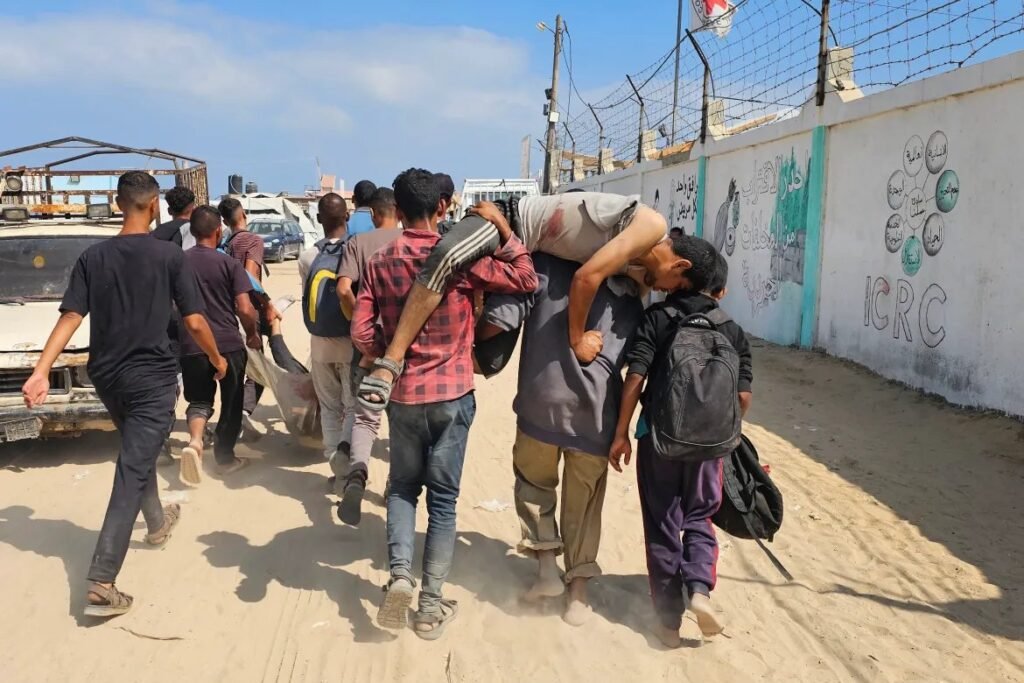
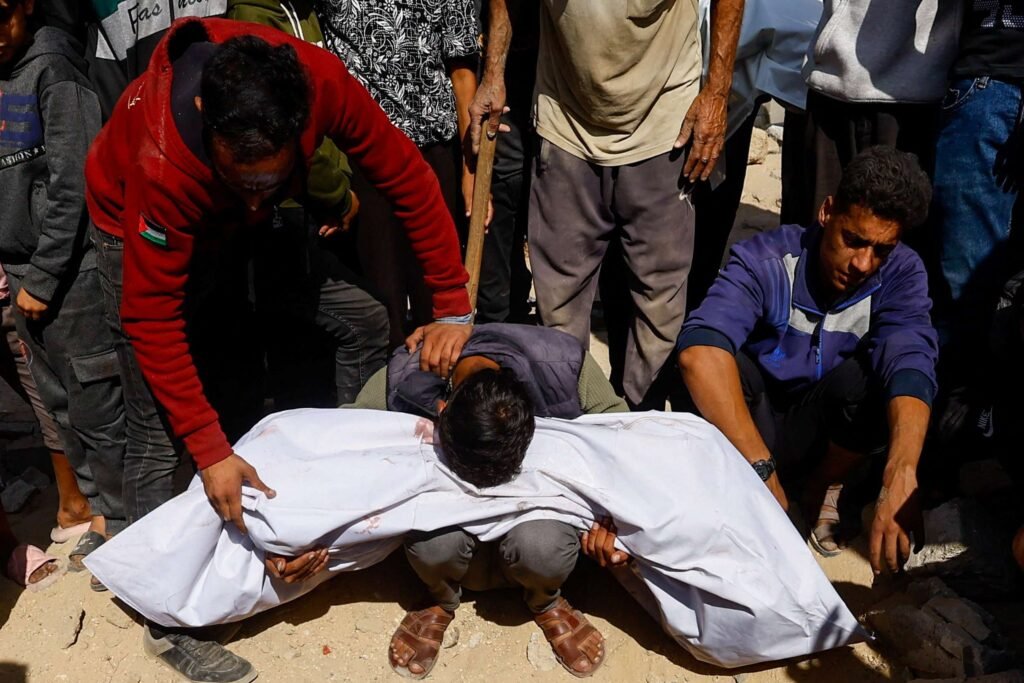
Israeli officials openly declared intentions that observers described as genocidal, while senior political and military leaders repeatedly expressed objectives involving mass displacement, extensive destruction, and policies that resulted in catastrophic levels of starvation. These statements were accompanied by two years of continuous visual documentation from Gaza, where images of destruction, civilian casualties, and humanitarian devastation circulated around the world in real time.
Alongside official UN investigations, testimony from international experts, independent rapporteurs, major human rights organizations, and even voices within Israel itself has consistently reinforced the conclusion that crimes amounting to genocide have been committed in Gaza since October 2023.
Western Silence Despite Mounting Evidence
Despite the accumulation of evidence, most European and Western governments have maintained positions that stop short of acknowledging what numerous international investigations have documented.
This reluctance has persisted even though Israeli leaders publicly articulated intentions that many legal experts argue reflected genocidal intent before many of the military operations were carried out. As the conflict continued, senior officials openly defended or celebrated military actions that resulted in widespread destruction across Gaza.
Official responses from Western capitals to these UN reports have often been minimal or entirely absent. In many other international crises involving similar allegations, such findings would likely have prompted immediate political condemnation, urgent diplomatic initiatives, or calls for accountability.
The continued refusal by many senior European and Western officials to publicly describe these actions as genocide has become increasingly difficult to ignore. The term appears to remain politically untouchable whenever Israel is the subject, creating what critics describe as an unwritten taboo within much of Western political, media, and cultural discourse.
For many observers, this reluctance raises troubling questions about whether recognition of genocide depends less on legal standards than on the identity of those accused of committing it and those suffering its consequences.
Double Standards and Political Protection
It is hardly surprising that governments which view themselves as Israel’s allies or strategic partners have been reluctant to issue unequivocal condemnation of conduct they have, in various ways, helped sustain. Whether through military assistance, diplomatic protection, political support, or prolonged silence, many of these states have become closely associated with policies they now appear unwilling to challenge.
Throughout nearly three years of war, Israel has continued to receive extensive military aid, diplomatic backing, and political cover from much of the West. At the same time, carefully worded public statements by senior European and Western officials have frequently served to soften or justify Israeli actions, even as allegations of war crimes and other serious violations of international law mounted.
One phrase, repeated consistently throughout the conflict, came to define this approach: “Israel has the right to defend itself.” While presented as a statement of principle, critics argue that Israeli leaders interpreted these words as political authorization to continue military operations that resulted in mass civilian casualties, widespread destruction, and the devastation of Gaza’s civilian infrastructure.
Conspicuously absent from this narrative, however, has been any comparable acknowledgment of the Palestinian people’s rights. Little attention has been paid to their right under international humanitarian law to live free from military occupation or to discussions surrounding the legal framework governing resistance to occupation.
Across governments, political leaders, and influential figures in media, academia, and public life, there has been a persistent reluctance to confront the question of whether Israel’s conduct constitutes genocide. Instead, many have either ignored the growing body of international legal findings or minimized their significance, despite years of investigations carried out by respected international institutions.
Rejecting the conclusion that genocide is taking place does more than dismiss documented evidence. It inevitably minimizes the scale of atrocities that investigators, legal experts, and human rights organizations have carefully documented. Such denial also risks creating an atmosphere in which repeated violations can continue without meaningful consequences.
When governments refuse to accurately identify crimes under international law, they may unintentionally encourage future abuses by signaling that even the gravest violations will not result in accountability. The absence of clear legal and political consequences weakens the deterrent effect that international justice is intended to provide.
With only a handful of exceptions, notably Spain, few Western governments have publicly characterized Israel’s actions in Gaza as either genocide or systematic war crimes. The overwhelming majority have instead relied on far more cautious language, avoiding legal terminology that could carry significant political and diplomatic implications.
The Credibility Gap in Western Human Rights Policy
The response of many Western governments has exposed what critics describe as a profound inconsistency between their stated commitment to international law and their actions regarding Gaza.
Institutions such as the European Union, which frequently present themselves as defenders of democracy, human rights, and the rules-based international order, have often chosen restrained or ambiguous language when addressing allegations of Israeli war crimes that unfolded before a global audience through live broadcasts, photographs, and firsthand reporting.
Rather than issuing direct condemnations, many leaders and official spokespersons relied on carefully crafted expressions of concern. Statements frequently referred to being “deeply concerned,” expressing “regret,” or mourning civilian casualties, while avoiding direct reference to those responsible for the destruction.
For critics, this careful wording reflected more than diplomatic caution. It suggested an unwillingness to hold Israel politically or legally accountable despite the volume of publicly available evidence documenting civilian deaths, large-scale destruction, and repeated attacks on civilian infrastructure.
As a result, accusations of double standards have become increasingly attached to European and Western foreign policy.
This concern was publicly acknowledged by Josep Borrell, then Vice President of the European Commission, who warned fellow European Union officials during a Foreign Affairs Council meeting in Luxembourg on October 23, 2023, about the growing perception that Europe was applying fundamentally different standards to Ukraine and Palestine.
His warning reflected a broader international debate over whether Western governments were undermining their own credibility by defending international law selectively rather than applying it consistently.
To many observers, these contrasting responses suggest that some human lives are treated as more valuable than others. The level of urgency, empathy, and political action afforded to Palestinians appears markedly different from that shown in other international crises, raising difficult questions about equality, justice, and the universal application of human rights principles.
Within this framework, the deaths of Palestinian children, women, elderly civilians, and patients in Gaza have often been met with expressions of sympathy but comparatively limited political action aimed at halting the violence or ensuring accountability.
Focusing on the Margins Instead of the Center
The cautious positions adopted by many European and Western governments have, intentionally or not, created the impression that Israel’s political and military leadership enjoys a degree of moral and political protection unavailable to others accused of comparable crimes.
Where criticism has emerged, it has frequently focused on figures viewed as politically convenient targets rather than on the broader institutions directing the war.
Much of the international criticism has centered on two far-right Israeli cabinet ministers, Itamar Ben Gvir and Bezalel Smotrich. Yet both men have long been controversial figures within Israel itself, and criticism directed solely at them leaves the wider government and military establishment largely untouched.
Meanwhile, Israel’s broader political leadership has generally avoided direct condemnation, even after the accumulation of extensive evidence documenting alleged atrocities and the issuance of arrest warrants by the International Criminal Court against Prime Minister Benjamin Netanyahu.
This pattern extends beyond government officials. Limited sanctions imposed by some Western countries have largely targeted violent settler groups and individual settlers operating in the occupied Palestinian territories. While these measures acknowledge certain abuses, critics argue they leave largely unaddressed the conduct of Israeli state institutions, including the military, which numerous international investigations have accused of carrying out widespread violations of international humanitarian law.
According to these critics, focusing primarily on settlers while avoiding direct accountability for the government, military leadership, and state institutions creates a distorted picture of responsibility. It shifts attention toward the periphery while leaving the principal decision-makers largely insulated from meaningful political or legal consequences.
For many observers, this reflects a deeply rooted political approach in which criticism is carefully confined to the margins rather than directed at the center of power.
Even after years of documented evidence, many European governments, along with influential voices across Western political, academic, and media circles, continue to avoid directly answering a fundamental question: Do Israel’s actions against the Palestinian people constitute genocide?
Genocide Denial and the Politics of Language
Denying that genocide is taking place in Gaza requires more than disagreement with legal findings—it demands the deliberate dismissal of an overwhelming body of evidence gathered by international investigators, human rights organizations, and independent experts.
This denial often begins by treating documented war crimes as isolated incidents rather than components of a broader pattern. Public discourse is then redirected toward less legally consequential language, framing the catastrophe primarily as a “humanitarian crisis,” an “alarming situation,” or a case of “civilian suffering.”
While these descriptions acknowledge the immense suffering endured by Palestinians, critics argue that they also obscure the legal and political dimensions of what numerous international investigations have described as a campaign characterized by declared intent, systematic destruction, and mass civilian casualties. In this narrative, the devastation of Gaza is presented almost as an unavoidable tragedy rather than the result of deliberate state policy.
For many observers, this shift in language serves to distance governments from the legal implications that accompany terms such as genocide, crimes against humanity, or war crimes. The choice of words shapes public perception and, ultimately, influences whether meaningful accountability is pursued.
International Law and the Failure of Accountability
Governments that frequently present themselves as defenders of human rights, international law, and universal moral principles were expected to uphold those commitments when confronted with mounting evidence from Gaza.
According to critics, these states should have acted during the earliest stages of the conflict by warning against the risk of genocide, withdrawing political and diplomatic support that could shield those responsible, and backing international legal mechanisms designed to investigate and prosecute grave violations of international law.
Central among those legal efforts is the case filed by South Africa before the International Court of Justice, which argues that Israel violated the Convention on the Prevention and Punishment of the Crime of Genocide. The proceedings represent one of the most significant international legal challenges arising from the conflict and seek judicial determination regarding Israel’s obligations under the Genocide Convention.
Rather than strengthening international accountability mechanisms, however, critics contend that increasing political pressure has instead been directed at those seeking to enforce international law.
International prosecutors, judges, investigators, and United Nations rapporteurs have faced sustained campaigns of political criticism, intimidation, and, in some instances, sanctions. Such measures, critics argue, risk undermining the independence of international justice institutions precisely when they are tasked with investigating allegations involving some of the world’s most serious crimes.
The consequences extend beyond the Gaza conflict itself. Efforts to discredit or weaken international legal institutions threaten the credibility of the broader international system established to investigate atrocities, protect civilians, and uphold international humanitarian law regardless of the identity of those accused.
A Defining Test for the International Order
The debate surrounding Gaza has become more than a dispute over legal terminology. It has evolved into a broader test of whether international law is applied consistently or selectively.
For critics of the Western response, the continued reluctance to acknowledge the findings of successive United Nations investigations reflects a troubling gap between proclaimed commitments to justice and the political realities that shape foreign policy. They argue that the effectiveness of international law depends not only on the existence of legal institutions but also on the willingness of governments to respect and enforce their conclusions without political exception.
Successive UN investigations, reports by independent experts, findings from major human rights organizations, and ongoing international legal proceedings have collectively created one of the most extensively documented records of alleged atrocities in recent history.
Whether these findings ultimately lead to accountability—or become another chapter in the history of ignored international warnings—remains one of the defining questions facing the international community.
The outcome will not only shape future assessments of the Gaza conflict but will also determine the credibility of the international legal system itself. If documented findings of genocide, war crimes, and crimes against humanity fail to produce meaningful consequences because of political considerations, critics warn that the principles underlying international justice risk being fundamentally weakened.
For them, the question is no longer whether evidence exists. Rather, it is how many more investigations, reports, and judicial findings the international community,and particularly Western governments,will continue to overlook before the obligations imposed by international law are fully honored.