
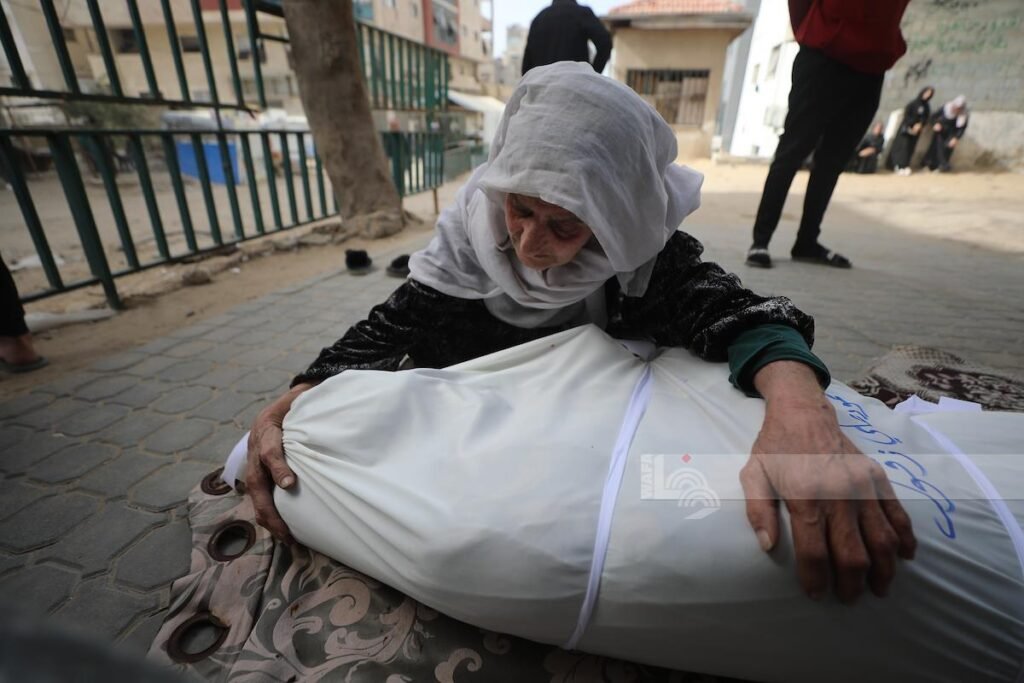
Gaza Herald _The Ministry of Social Development in Gaza has warned that more than 28,000 widows are facing one of the harshest humanitarian crises in recent history as the ongoing war continues to reshape the social fabric of the Palestinian enclave.
In a statement released on Wednesday, the ministry revealed a significant increase in the number of widows since the beginning of the war. According to official figures, the number has risen to 28,224 widows, compared with 22,596 before the conflict escalated, reflecting the devastating human toll of the violence on Palestinian families.
The ministry said the growing number of widows has created unprecedented social and economic challenges, with thousands of women now carrying the responsibility of supporting and caring for their families under exceptionally difficult circumstances.
Gaza City and Northern Gaza Most Affected
Data released by the ministry showed that Gaza Governorate accounts for the largest share of widows, representing 40.8 percent of the total, followed by North Gaza Governorate at 22.5 percent.
Together, the two northern governorates account for more than 70 percent of the cases requiring urgent humanitarian intervention and support for families who have lost their primary breadwinners.
Officials stressed that these areas have been among the hardest hit during the war, leaving large numbers of women and children struggling to cope with displacement, poverty, and the loss of family members.
Majority of Widows Are of Working Age
According to the ministry’s statistics, nearly 64 percent of widows—approximately 16,877 women—are between the ages of 18 and 45, placing them within the workforce age group.
The ministry emphasized the urgent need for economic empowerment programs aimed at helping widows secure sustainable livelihoods and rebuild their lives.
Meanwhile, elderly widows aged 60 and above account for 14.9 percent of the total, while widows under the age of 18 represent 0.4 percent, highlighting the diverse needs among affected groups.
Calls for Greater International Support
The Ministry of Social Development called on local and international organizations to provide regular financial assistance and expand psychological, legal, and healthcare support services for widows and their families.
It also urged donors and humanitarian agencies to support educational opportunities, establish safe shelter facilities, and strengthen protection mechanisms for women who have become the primary caregivers for their children.
The ministry warned that without sustained support, thousands of families risk falling deeper into poverty and social vulnerability.
Research Highlights Growing Burden on Women
A research paper published in May by the Palestinian Center for Political Studies described the war’s impact on women as unprecedented, noting a dramatic expansion in the number of female-headed households across Gaza.
The study argued that addressing the phenomenon requires a comprehensive strategy that integrates widowed and female-headed households into economic recovery and reconstruction efforts, viewing women not merely as aid recipients but as essential contributors to Gaza’s future social and economic recovery.
International Widows Day
The ministry’s statement coincided with International Widows Day, observed annually on June 23 and officially recognized by the United Nations.
The day aims to raise awareness about the economic and social challenges faced by widows worldwide, including poverty, discrimination, limited access to inheritance rights, and inadequate social protection.
As Gaza’s humanitarian crisis continues, officials warn that thousands of widows remain on the front lines of survival, carrying the burden of supporting their families while coping with the profound personal losses caused by the war.

