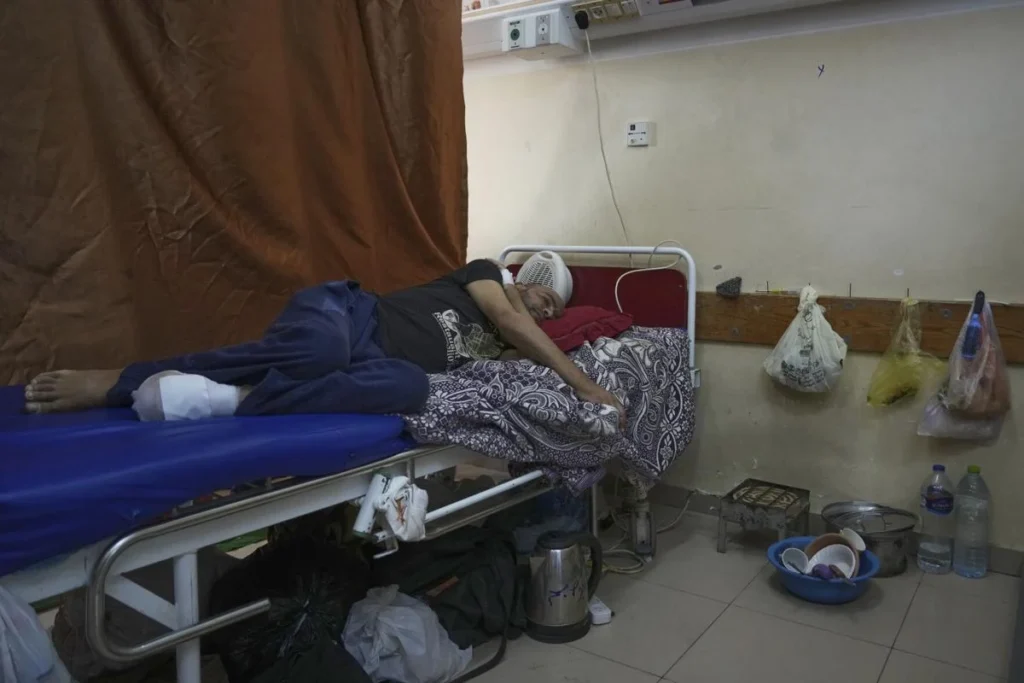
Gaza Herald _For thousands of diabetes patients across the Gaza Strip, managing a chronic illness has become a struggle for survival. What was once a condition controlled through regular medical care and access to medication has turned into a life-threatening challenge as severe shortages of insulin, glucose-monitoring equipment, and laboratory supplies continue to worsen.
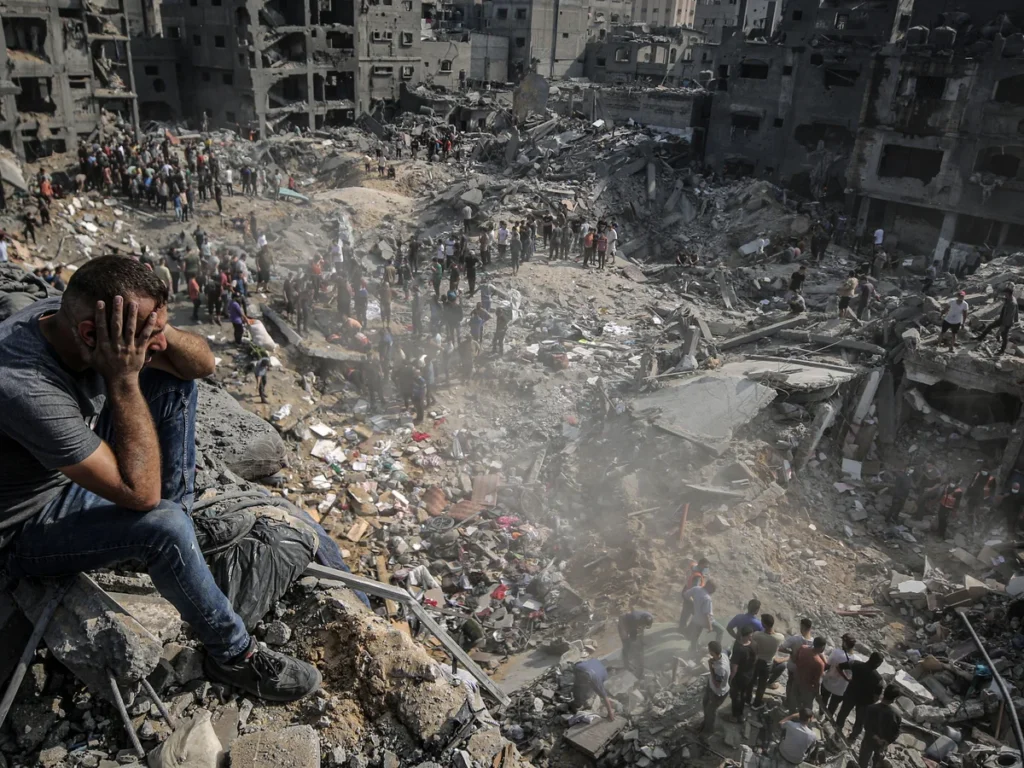
The ongoing humanitarian crisis, compounded by years of blockade and the devastating consequences of the war, has placed immense pressure on Gaza’s already fragile healthcare system. Medical professionals and health officials warn that the shortage of essential diabetes treatment is putting the lives of tens of thousands of patients at risk, particularly children with Type 1 diabetes who depend entirely on insulin to stay alive.
“I Fear Losing My Son”
Among those living with constant anxiety is Abu Hadi, the father of a 12-year-old boy diagnosed with Type 1 diabetes.
Speaking about his family’s daily struggle, he said every insulin dose has become a source of worry. He often spends hours searching for medication and, at times, is forced to reduce his son’s doses out of fear that supplies will run out completely.
“My greatest fear is that my son could slip into a diabetic coma because we cannot find insulin,” he said.
The challenge extends beyond obtaining medication. Families displaced into overcrowded shelters and tents face significant difficulties storing insulin at safe temperatures, especially during the summer months. Without proper refrigeration, the medication can lose its effectiveness, placing patients in even greater danger.
Patients Endure Growing Hardship
For 48-year-old Umm Ahmad, securing treatment has become an exhausting and uncertain task.
“Before the war, I could visit a clinic and receive my medication without difficulty,” she explained. “Today, I spend days searching for insulin or glucose-testing strips. Sometimes I go an entire month without checking my blood sugar levels.”
She noted that the crisis is not limited to medicine. Access to appropriate food has also become a serious challenge. Many families rely on whatever food is available through aid distributions, regardless of whether it is suitable for people living with diabetes.
“When your only concern is finding something to eat, following a diabetic diet becomes almost impossible,” she said.
Alarming Numbers Raise Concerns
The Ministry of Health in Gaza has repeatedly warned that shortages of medicines and medical supplies have reached critical levels.
Health officials estimate that approximately 11,000 diabetes patients who rely on regular insulin treatment face immediate risks due to medication shortages. Previous ministry reports also indicated that between 70,000 and 80,000 people living with diabetes in Gaza are experiencing increasing health threats because of limited access to insulin, glucose-monitoring equipment, deteriorating healthcare services, and poor nutrition.
The United Nations Relief and Works Agency (UNRWA) has likewise reported severe shortages of life-saving medications, particularly insulin, as restrictions and supply disruptions continue to affect deliveries into the territory.
Medical data further indicates that around 2,500 children in Gaza suffer from Type 1 diabetes. Many of them face growing difficulties obtaining insulin and storing it safely due to prolonged electricity outages and the lack of reliable cooling facilities.
More Than an Insulin Crisis
The difficulties confronting diabetes patients extend beyond medication shortages.
Many patients are unable to obtain home glucose-monitoring devices, while testing strips remain scarce and prohibitively expensive when available. As a result, countless individuals are forced to travel long distances to hospitals or clinics simply to monitor their blood sugar levels.
Meanwhile, the Ministry of Health has warned that shortages of laboratory materials have reached unprecedented levels, undermining the ability of medical facilities to monitor chronic illnesses and provide routine care.
Healthcare workers caution that without regular testing and follow-up, diabetes complications can develop rapidly, increasing the risk of kidney disease, vision loss, cardiovascular problems, and life-threatening emergencies.
International Warnings
International health organizations have expressed growing concern over the collapse of healthcare services in Gaza and the continued restrictions affecting the entry of medicines and medical equipment.
Humanitarian agencies warn that the combination of ongoing displacement, fuel shortages, electricity cuts, and deteriorating medical infrastructure is creating increasingly dangerous conditions for people living with chronic diseases.
Doctors and health institutions have called for the urgent delivery of insulin, glucose-monitoring devices, testing strips, and other essential supplies, stressing that further delays could result in a significant increase in preventable complications and deaths, particularly among children and elderly patients.
Waiting for the Next Dose
As Gaza’s humanitarian and healthcare crisis continues, diabetes patients remain among the most vulnerable groups in the territory.
For them, the struggle is no longer about improving quality of life. It is about securing the medication needed to survive another day.
Between empty pharmacy shelves and overwhelmed healthcare centers, thousands of patients remain trapped between fear and hope, waiting for medicines that cannot afford to arrive late.
Each missed insulin injection carries potentially life-threatening consequences. Each day without a solution deepens the suffering of families already burdened by years of war, displacement, and blockade.
For many diabetes patients in Gaza, survival now depends on a single dose of insulin, one small vial that has become increasingly difficult to find, yet remains essential for life itself.