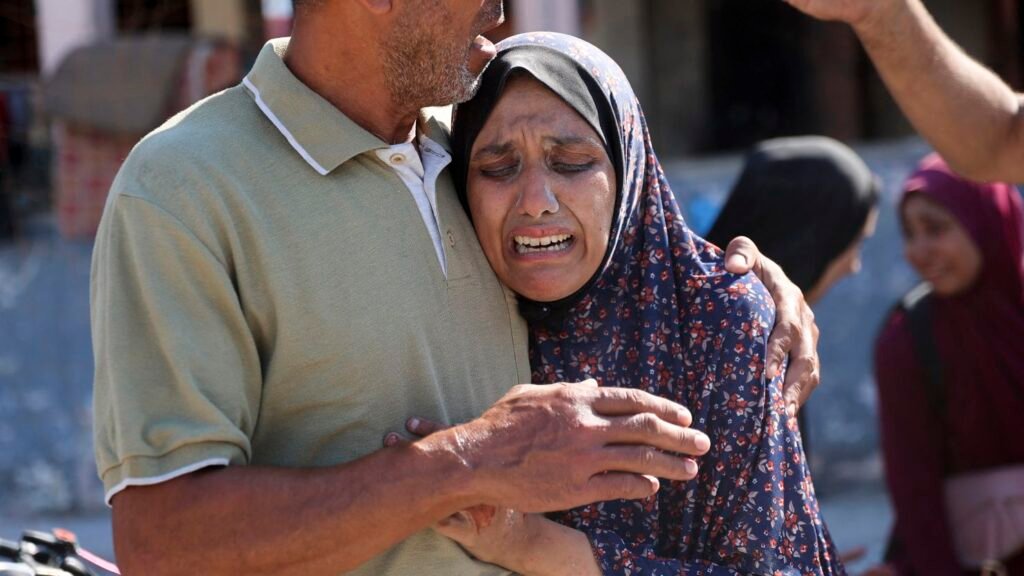
Gaza Herald – Gaza’s humanitarian situation is deteriorating at an accelerating pace amid continued restrictions on the entry of essential supplies and the severe disruption of infrastructure and public services, according to the Government Media Office in the territory.
Officials warned that the ongoing Israeli blockade of critical materials and operational inputs is pushing conditions for more than 2.4 million Palestinians toward an unprecedented level of humanitarian, environmental, and public health risk.
In a statement, the office said that government institutions remain committed to maintaining basic services despite extensive damage and limited resources, while reaffirming readiness to transfer administrative responsibilities to a national committee tasked with governing the Strip.
It stressed that current efforts are focused on ensuring continuity of essential services and preventing a total collapse of public order and civil life, despite the systemic destruction affecting key sectors.
Water and sanitation systems are among the hardest hit, with authorities reporting the destruction of over one million linear meters of water networks. The damage has severely disrupted supply across wide areas, compounded by fuel shortages that have halted or reduced the operation of wells and pumping stations.
The sanitation sector is also under extreme pressure, with widespread destruction of sewage networks and pumping stations, and restrictions on importing repair materials. Officials warned that overcrowded displacement sites, combined with inadequate sanitation infrastructure, are creating conditions conducive to environmental contamination and disease outbreaks.
Meanwhile, fuel shortages continue to cripple municipal operations, limiting electricity generation, water distribution, and waste management. Authorities say the lack of generators, spare parts, and maintenance supplies has significantly weakened the ability of local institutions to respond to basic civilian needs.
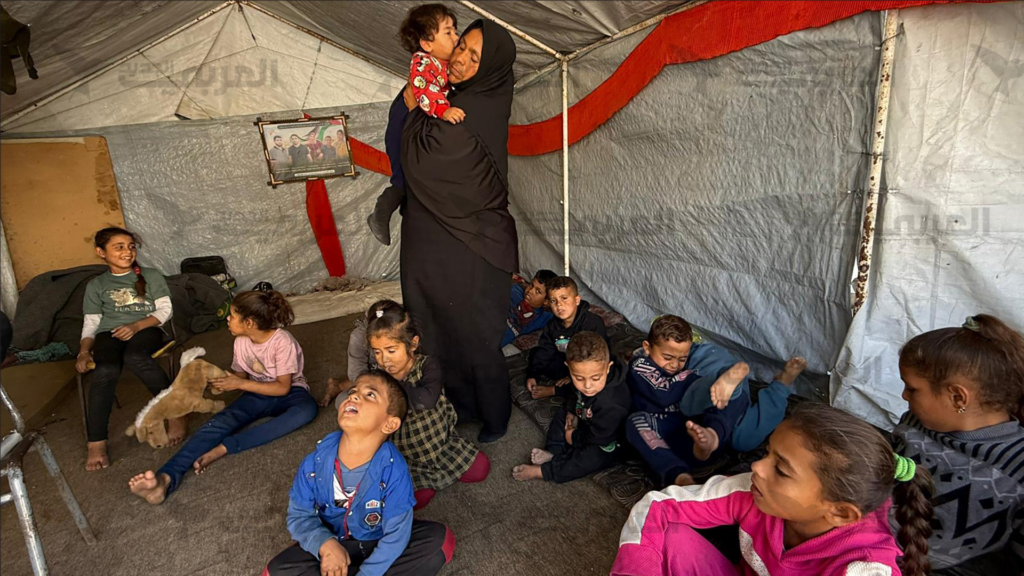
The statement also highlighted worsening shelter conditions, noting that hundreds of displacement camps rely on deteriorating tents that are no longer fit for purpose after prolonged use and exposure to harsh conditions. Urgent needs include large-scale delivery of temporary housing materials and shelter supplies.
Public health risks are increasing further due to the spread of rodents and insects inside overcrowded camps, driven by poor sanitation and the absence of effective pest control resources.
Authorities reiterated that dozens of essential categories of goods, including construction materials, water infrastructure components, fuel, medical supplies, and electrical equipment, remain restricted by Israel from entry the Strip, severely hindering recovery efforts.
The Government Media Office called on the international community and mediating parties to urgently intervene to ensure unrestricted access for humanitarian supplies and to support the restoration of essential infrastructure.
It warned that without immediate action, Gaza faces the risk of a deeper and potentially irreversible humanitarian collapse, with long-term consequences for public health, environmental safety, and basic living conditions across the Strip.