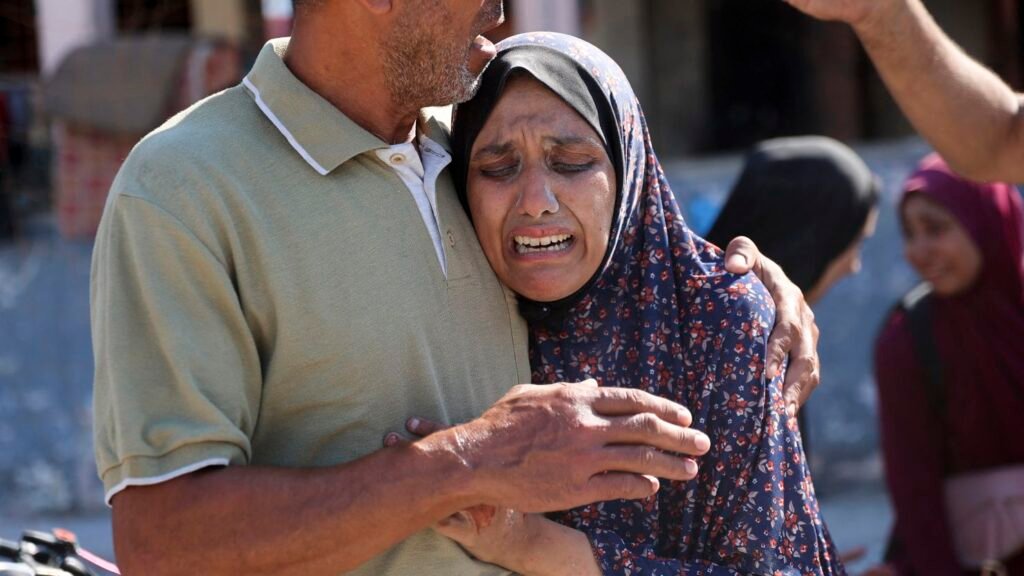
Gaza Herald _As humanitarian conditions continue to deteriorate across the Gaza Strip amid widespread displacement and large-scale destruction of homes and infrastructure, hundreds of thousands of Palestinians are facing growing difficulties in securing even the most basic living conditions. The challenge has become increasingly severe with the arrival of summer and rising temperatures in overcrowded displacement sites.
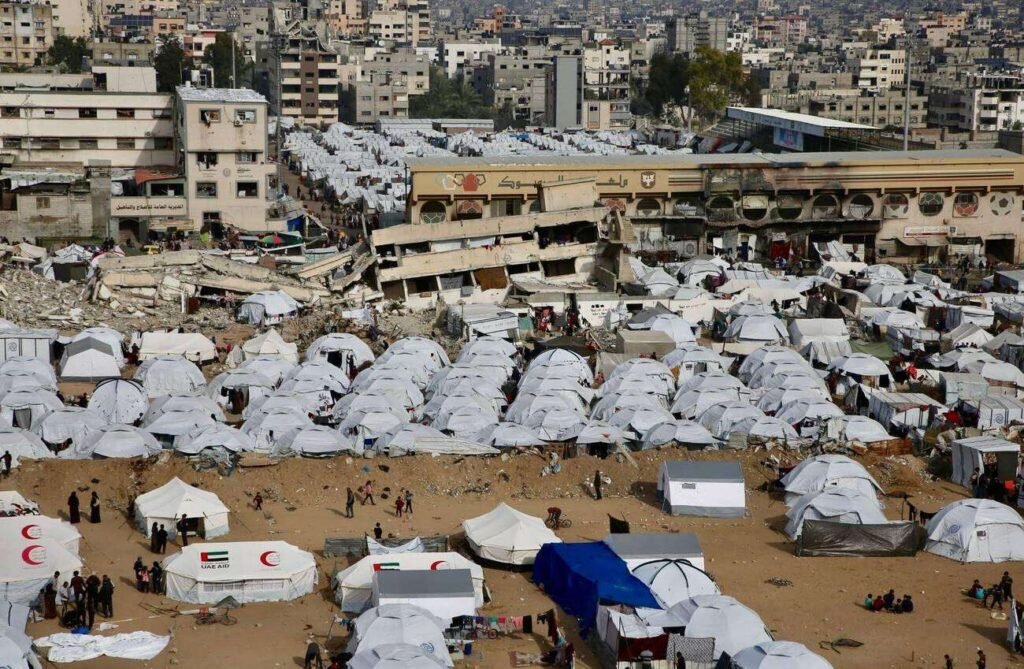
The Norwegian Refugee Council (NRC) has warned that Gaza’s shelter crisis is rapidly worsening, revealing that approximately 170,000 displaced families, nearly one million people, are currently living in temporary tents that provide little protection from harsh weather conditions.
In a recent report, the organization noted that the tents being used across displacement sites were never designed for long-term habitation or to withstand extreme summer temperatures, which can reach around 35 degrees Celsius. As a result, displaced families are being exposed to growing health and safety risks.
Thousands Sleeping in the Open
According to the report, nearly 5,000 families have been forced to sleep outdoors due to the severe shortage of shelter materials. At the same time, around 850,000 people are experiencing acute shortages of essential shelter supplies, including plastic sheeting, shade materials, and equipment needed to improve temporary living conditions.
The findings highlight a deepening humanitarian emergency linked to the right to adequate housing and access to basic health protections, particularly in situations of mass displacement caused by armed conflict.
Aid agencies warn that insufficient protection from extreme weather conditions may further endanger vulnerable groups, including children, elderly people, and those suffering from chronic illnesses.
Extreme Heat Worsens Living Conditions
The report noted that overcrowded tents often become dangerously hot during the summer months, with poor ventilation causing temperatures inside shelters to rise significantly above outdoor levels.
These conditions increase the risk of dehydration, heat exhaustion, and the spread of communicable diseases, creating additional pressure on families already struggling to cope with displacement and limited access to healthcare.
Massive Destruction of Housing Stock
The shelter crisis has been compounded by the widespread destruction of residential areas across Gaza. According to the NRC, approximately 76.6 percent of housing units in the territory have either been destroyed or sustained severe damage, dramatically reducing the availability of safe and stable accommodation.
The destruction has left hundreds of thousands of people dependent on temporary shelters, many of which are deteriorating after months of continuous use.
Women and Girls Face Additional Risks
The report also highlighted growing concerns over the safety and protection of women and girls living in displacement sites.
Overcrowding, limited privacy, inadequate lighting, and insufficient sanitation facilities have created conditions that heighten concerns related to personal security and protection. Humanitarian organizations continue to stress the need for safer shelter arrangements that take into account the specific needs of vulnerable groups.
Aid Efforts Hampered by Shortages
While humanitarian agencies operating in Gaza possess the technical expertise and logistical capacity to respond to shelter needs, the report stated that restrictions on the entry of essential shelter materials continue to undermine relief efforts.
Organizations working on the ground have repeatedly warned that the lack of critical supplies is preventing them from meeting the rapidly growing needs of displaced families.
Calls for Urgent Action
The NRC emphasized that providing adequate shelter and basic living supplies is a fundamental humanitarian obligation tied to the protection of civilians during armed conflict. It also stressed that ensuring the unimpeded delivery of humanitarian assistance remains essential to alleviating the suffering of displaced populations.
The organization warned that continued shortages of shelter materials, combined with rising summer temperatures, could significantly worsen humanitarian and public health conditions in the coming months.
As Gaza’s displacement crisis continues with no immediate resolution in sight, shelter remains one of the territory’s most urgent humanitarian challenges. Aid groups are calling for immediate measures to facilitate the entry of essential supplies and improve living conditions for hundreds of thousands of displaced civilians struggling to endure another summer under increasingly difficult circumstances.