Gaza Herald _Gaza’s collapsing healthcare system is placing thousands of patients at growing risk as Israel’s blockade and the devastating consequences of the war continue to disrupt access to essential medicines and specialized care.
Among the most vulnerable are cancer patients, who face a growing threat of preventable death as chemotherapy drugs, supportive treatments and other essential medicines remain severely scarce.
Around 11,000 cancer patients in Gaza need ongoing treatment and medical follow-up, according to health officials. Many require urgent treatment outside the Strip because the services they need are no longer available locally.
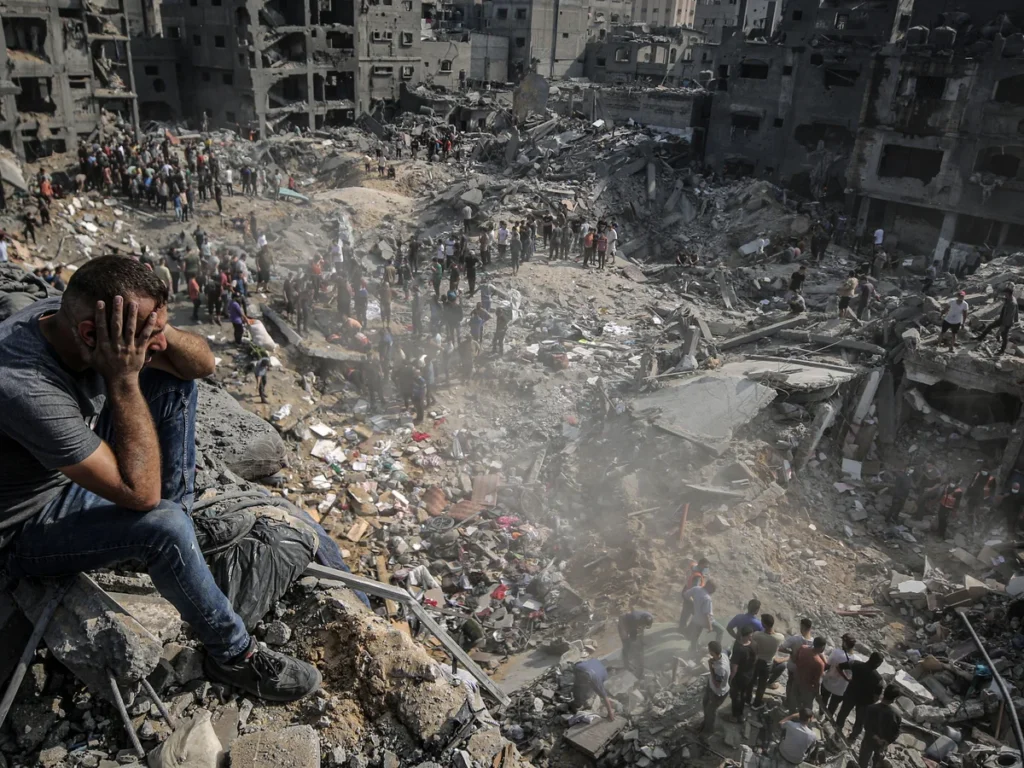
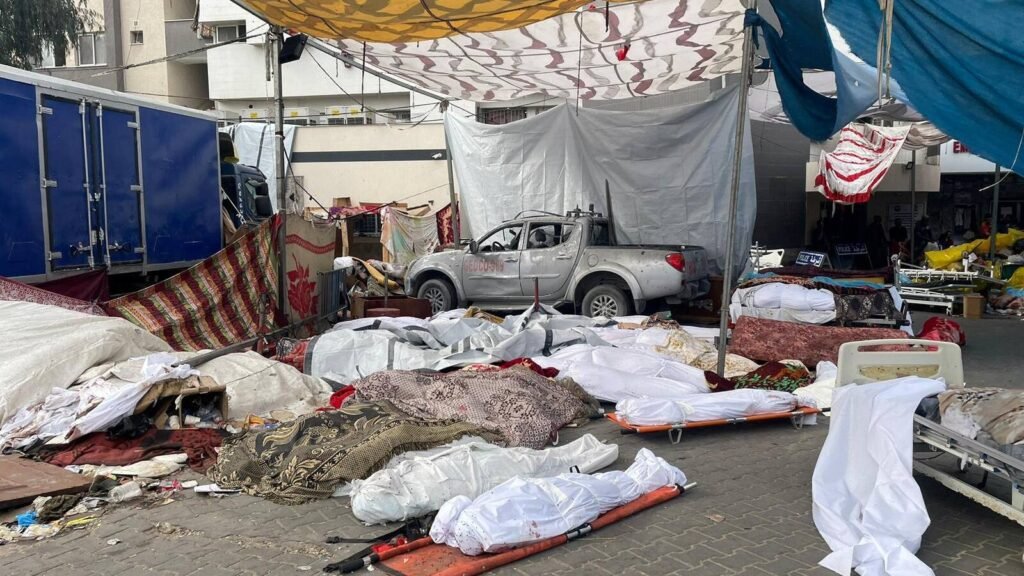
The Palestinian Centre for Human Rights said the crisis cannot be separated from the broader destruction of Gaza’s healthcare system since October 7, 2023. Israel’s military campaign has devastated medical facilities and infrastructure, while medical workers have been killed, injured or detained. Restrictions on the entry of medicines, fuel, spare parts and medical equipment have further weakened the health system’s ability to provide lifesaving care.
Cancer Treatment Protocols Halted
According to Gaza’s Ministry of Health, shortages have forced the suspension of chemotherapy protocols for several types of cancer, including breast, colorectal, gastrointestinal, head and neck, and sarcomas.
Doctors warn that missing scheduled doses can allow cancer to progress, reduce the likelihood of treatment success and increase the risk of tumors spreading to advanced stages that are much more difficult to treat.
For patients whose treatment depends on strict schedules, every delay can have serious consequences.
Thousands Unable to Leave Gaza
The crisis is compounded by restrictions preventing around 4,000 cancer patients from leaving Gaza for treatment unavailable inside the Strip.
Dr. Mohammed Abu Nada, medical director of the Gaza Cancer Center, said the shortage of essential medicines and the continued restrictions on medical travel are directly threatening patients’ lives.
He said the lack of treatment and specialized care is contributing to the deaths of around three cancer patients every day as Gaza’s healthcare system continues to deteriorate.
Gaza also has no functioning radiotherapy services, while oncology medicines account for around 61 percent of reported drug shortages, according to Abu Nada.
The lack of radiotherapy has forced doctors to make painful treatment decisions, including performing full mastectomies in some breast cancer cases, even at early stages, because patients cannot receive radiation treatment or safely travel abroad for it.
Oncology departments across Gaza are also struggling to accept new patients because of limited medical resources, severe shortages of medicines and supplies, and the destruction of healthcare facilities.
The shortage extends beyond cancer drugs. Patients undergoing chemotherapy also need immune-boosting injections to reduce the risk of serious infections. Their absence leaves already vulnerable patients exposed to potentially fatal bacterial and viral complications.
A shortage of painkillers and palliative medicines has also intensified the suffering of patients with advanced cancer, many of whom require continuous care to manage severe pain and preserve their dignity.
Blood Cancer Patients at Particular Risk
Dr. Hani Ayash, a hematology specialist, said patients with acute blood cancers, particularly acute leukemia, face especially dangerous conditions.
Acute leukemia can affect young people and adolescents and can have relatively high treatment success rates when specialized care is provided quickly. But shortages are disrupting virtually every stage of diagnosis and treatment.
Hospitals lack essential stains and diagnostic tests, supplies needed to obtain bone marrow samples and other laboratory materials.
Blood banks are also facing severe shortages of blood products, particularly platelets and plasma, which are essential for many patients with blood cancers to survive and continue treatment.
Ayash warned that continued shortages, combined with restrictions on medical travel, effectively amount to a slow and indirect death sentence for patients who require precise treatment protocols, specialized care and continuous monitoring.
Many of these deaths, he said, could be prevented if patients were able to access appropriate treatment in time.
Patients Caught Between Disease and Displacement
The testimonies of cancer patients in Gaza reveal the human cost behind the shortages, with illness compounded by displacement and the collapse of basic medical services.
Almaza Abu Haniyeh, 69, has been battling breast cancer since 2019, when she underwent a full mastectomy. The cancer later spread to her spine in 2021.
She returned to Gaza shortly before the war but was unable to resume treatment outside the Strip. Although she received chemotherapy inside Gaza, her condition did not improve.
Today, she lives in a tent in Deir al-Balah while also suffering from diabetes, heart disease and other chronic conditions.
Despite obtaining a medical referral and being listed for travel, she remains unable to leave. Her condition has deteriorated severely, with persistent shortness of breath and intense pain.
For 33-year-old Israa Nassar, the wait for treatment has become equally dangerous.
Nassar, who has hearing and speech disabilities, was diagnosed with uterine cancer in 2020 following severe bleeding. She received a referral for treatment outside Gaza in February 2025 but has still been unable to travel.
She requires weekly blood transfusions because of recurring bleeding. Her tumor has continued to grow and spread into her abdomen, leaving her exhausted and threatening both her life and her ability to preserve her fertility.
Another family is watching the same crisis unfold.
Omar Al-Khawaja’s 29-year-old son was diagnosed with gastrointestinal cancer in October 2025. His initial treatment protocol was unsuitable and his condition deteriorated before doctors changed his treatment.
The new regimen brought some improvement, reducing the cancerous cell count by around 30%. But the treatment was eventually stopped after the medicine ran out.
Doctors recommended that he leave Gaza urgently for further treatment. His name was placed on departure lists, but no travel date has been provided.
Meanwhile, his condition continues to deteriorate.
Every Delay Can Become Fatal
These cases illustrate a wider crisis in Gaza, where three years of war and the collapse of the healthcare system have turned access to medicine and medical travel into matters of life and death.
For cancer patients, treatment cannot simply wait for the next shipment of medicine or the next opening at a crossing.
Every missed dose, delayed test, and postponed medical referral can give the disease more time to advance.
As medicines disappear and patients remain trapped inside Gaza, the difference between waiting for treatment and receiving it is increasingly becoming the difference between life and death.