Gaza Herald _ For many Palestinians returning to Gaza through the Rafah crossing after years of war, displacement, and separation, the journey home has become more than a simple border transit. Travelers describe a process marked by extensive inspections, restrictions on personal belongings, and the confiscation of items they say are essential for daily life.
Accounts from recent returnees suggest that inspection procedures carried out at the crossing have become a source of growing frustration, particularly among those returning to a territory already devastated by conflict, displacement, and economic collapse.
While security screenings are a standard feature of international border crossings, some travelers argue that the measures implemented at Rafah go far beyond ordinary procedures, affecting medical equipment, personal electronics, and basic belongings carried by civilians returning to their families.
Medical Devices and Personal Items Under Scrutiny
Among the most common complaints reported by travelers are attempts to confiscate or restrict medical equipment, including breathing devices, blood pressure monitoring tools, and physical therapy equipment.
Several returnees have also reported restrictions on carrying additional mobile phones, older devices intended as gifts for family members, and limited quantities of cigarettes that would ordinarily be permitted through many international airports.
For residents returning to Gaza after prolonged periods abroad, these restrictions carry significant emotional consequences. Many travelers say they had hoped to bring small gifts or essential items to relatives living under severe shortages caused by years of blockade and conflict.
Instead, they found themselves forced to choose carefully what to pack, aware that only a limited amount of luggage would be allowed through the crossing.
Strict Baggage Limits
Travelers report that regulations currently limit passengers to one suitcase and one carry-on bag.
Some acknowledge that baggage restrictions may be linked to logistical considerations, including limited transportation capacity for buses carrying passengers from Egypt into Gaza.
However, many question why personal items such as an old mobile phone, a second device, or non-commercial quantities of personal belongings are treated as security concerns.
Critics argue that passengers arriving from Egypt have already undergone security screenings on the Egyptian side of the border, making additional restrictions appear excessive in the eyes of many travelers.
Humanitarian Concerns Raised by Returnees
Particularly troubling for some travelers are reports involving medical patients returning to Gaza.
Several accounts describe situations in which medical devices were subjected to extensive scrutiny, while some passengers claim certain health-related items were temporarily withheld or challenged during inspections.
Human rights advocates have long emphasized that civilians returning to conflict-affected areas should be afforded special consideration, especially when carrying equipment necessary for health care or daily survival.
For many returning Gazans, the issue is not simply one of inconvenience but one of dignity.
After years of war, displacement, and family separation, travelers say they expected a smoother return process that would recognize their humanitarian circumstances rather than subject them to additional hardship.
A Territory Struggling to Recover
The concerns surrounding border procedures come at a time when Gaza continues to face severe humanitarian challenges.
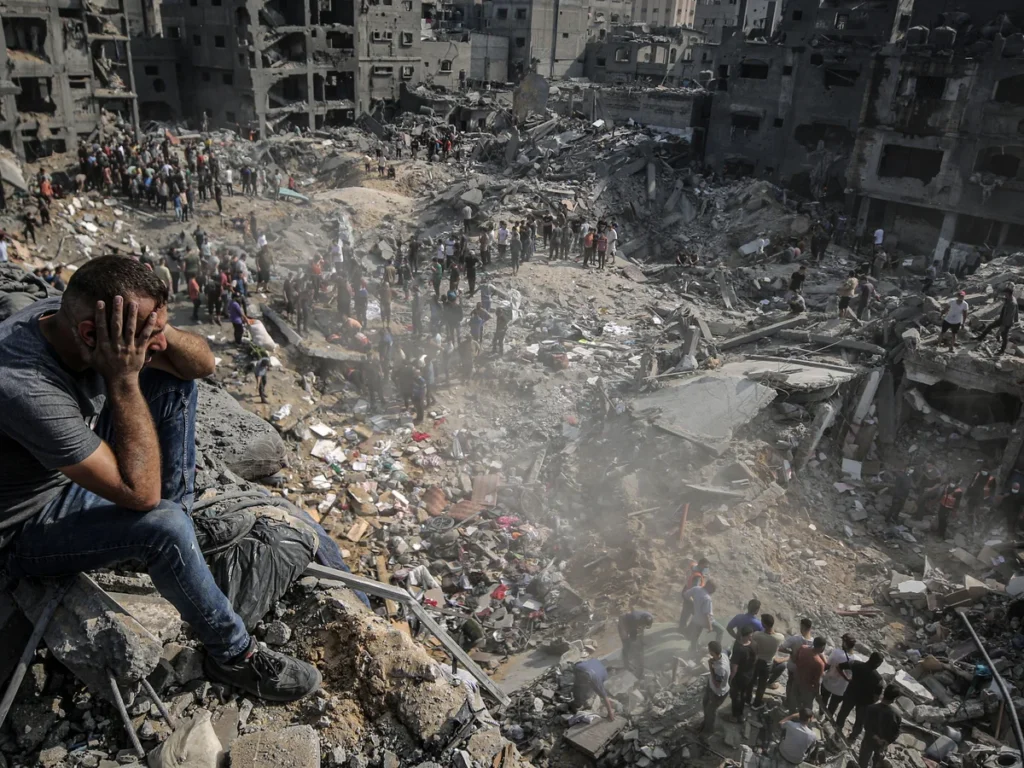
Large portions of the territory remain heavily damaged after years of conflict. Hundreds of thousands of Palestinians continue to live in temporary shelters, damaged buildings, or overcrowded displacement sites. Essential services remain under pressure, while shortages of medical supplies, construction materials, fuel, and consumer goods continue to affect daily life.
In this context, even seemingly small personal items can carry immense significance for families trying to rebuild their lives.
A mobile phone may serve as a vital communication tool. Medical devices can be essential for elderly or chronically ill patients. Basic household goods often become difficult or impossible to replace inside the territory.
Questions for European Authorities
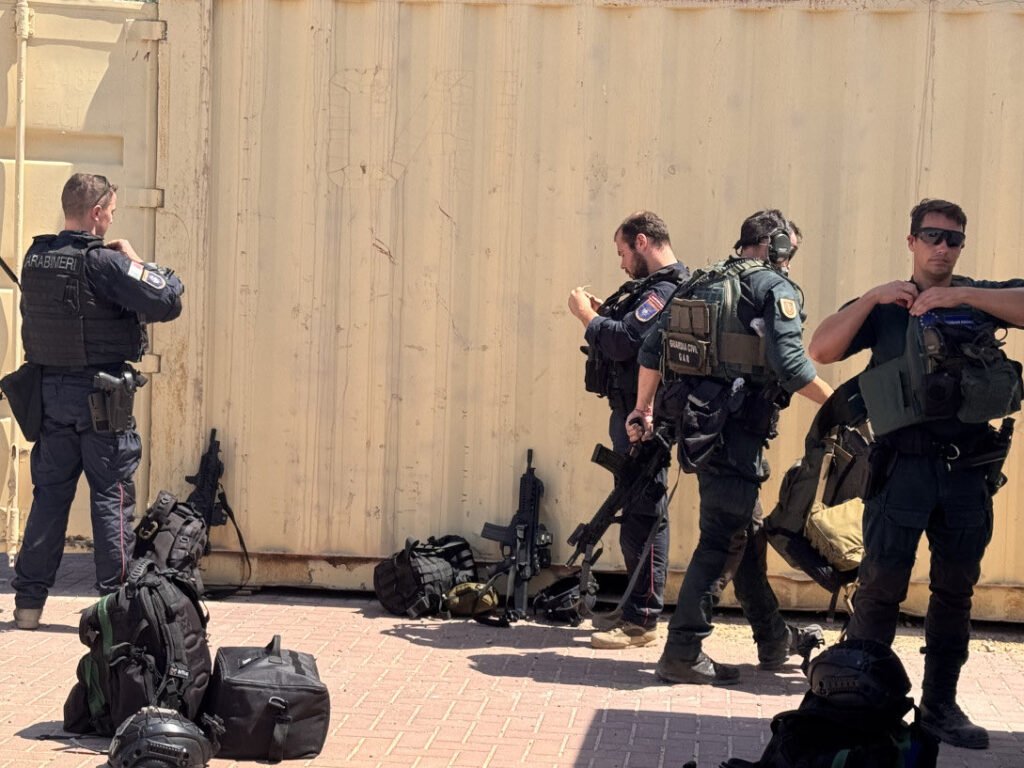
The reports have prompted questions about the role and oversight of the European personnel involved in operations at the crossing.
Observers and commentators have called for greater transparency regarding inspection procedures and the handling of passenger complaints.
They argue that if restrictions are being applied beyond what is necessary for security purposes, European institutions should review whether current practices are consistent with the humanitarian principles and human rights standards they publicly endorse.
Critics maintain that border security and respect for human dignity are not mutually exclusive objectives and that procedures can be implemented without imposing unnecessary burdens on civilians.
The Human Dimension of Return
For Palestinians returning to Gaza, the journey through Rafah often represents the end of years of uncertainty and forced separation.
Many arrive carrying little more than a suitcase, personal memories, and hopes of reuniting with loved ones. Some return to homes that have been damaged or destroyed. Others return to families struggling with displacement, poverty, or the loss of relatives.
Against this backdrop, restrictions on personal belongings take on a significance that extends beyond border regulations.
For many travelers, the issue is not merely about a confiscated phone or an additional bag. It is about the experience of returning home after years of hardship and whether that return is treated as a humanitarian passage or as another obstacle in an already difficult journey.
Growing Calls for Review
As more testimonies emerge from travelers passing through Rafah, calls are growing for authorities overseeing operations at the crossing to review existing procedures and ensure that humanitarian considerations remain central to border management.
Advocates argue that facilitating the return of civilians, particularly those carrying medical equipment or basic personal necessities, should be treated as a priority rather than a security concern.
For many Gazans, the crossing represents more than a border checkpoint. It is the gateway back to family, community, and a homeland that many feared they might never see again. The manner in which that return is managed, they say, speaks not only to administrative procedures but also to broader questions of human dignity, compassion, and accountability.