Gaza Herald _As diplomatic efforts continue to contain rising tensions driven by Israel’s ongoing military campaign in Gaza, serious questions are being raised about the role of mediators and guarantor states. Many observers are now asking whether these actors are capable of enforcing compliance with ceasefire understandings and preventing their collapse amid repeated Israeli violations.
Despite the existence of a declared ceasefire framework, Israeli military operations have persisted, resulting in additional Palestinian casualties and further destabilization on the ground. This has intensified calls for mediators to move beyond facilitation and assume a stronger role in enforcing accountability and protecting the agreement.
Ongoing Strikes and Mounting Casualties
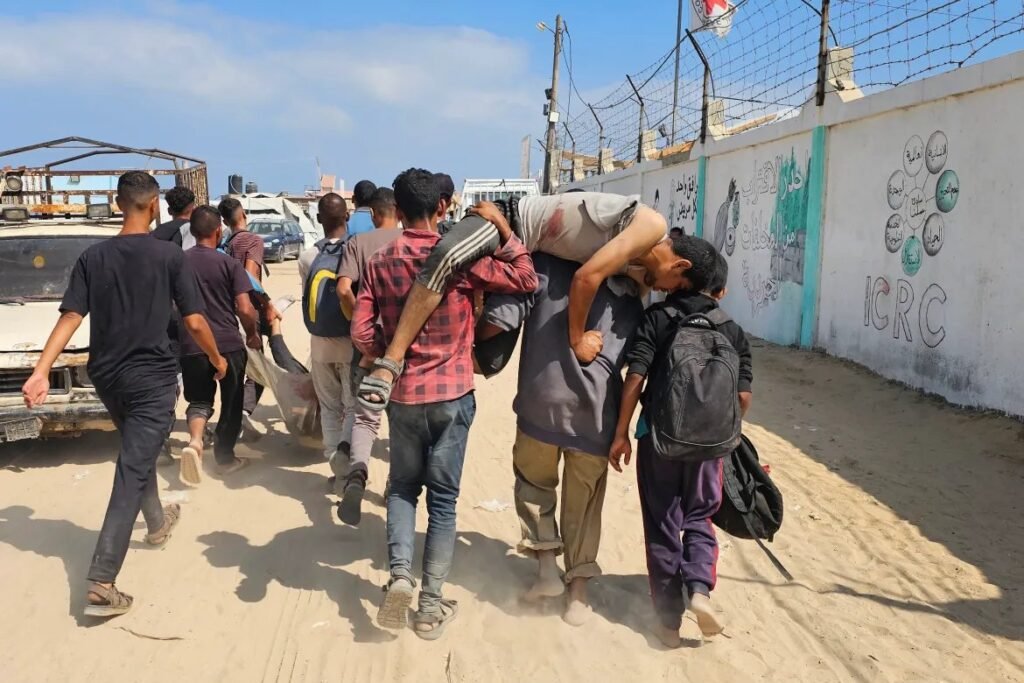
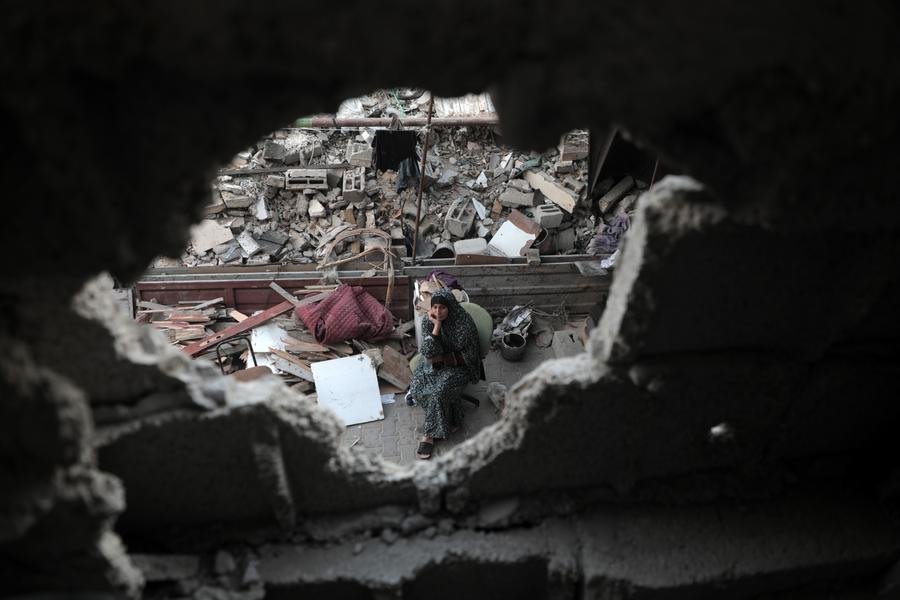
Recent days have witnessed intensified Israeli air and ground attacks across multiple areas of the Gaza Strip. Residential buildings and civilian infrastructure have been struck, with continued shelling and gunfire reported in various locations. These actions have led to deaths and injuries among civilians, further deepening the humanitarian crisis.
According to official data, violations of the October 10, 2025 ceasefire have now exceeded 3,000 incidents. These breaches have resulted in the deaths of more than 940 Palestinians, highlighting a widening gap between declared commitments and realities on the ground.
Are Mediators Fulfilling Their Role?
Political analyst Hitham Youssef argues that discussions around Gaza should not focus solely on Palestinian responsibilities, but must also address the obligations of international actors who assumed roles as mediators and guarantors.
He stresses that the continuation of Israeli attacks despite the ceasefire places these actors under real scrutiny, raising doubts about their ability to ensure compliance or protect agreements once they are signed.
Youssef notes that the success of any mediation effort should not be measured by reaching an agreement alone, but by whether that agreement is sustained and enforced effectively. Without monitoring mechanisms and accountability structures, he warns, ceasefires remain vulnerable to repeated violations.
From Statements of Concern to Real Action
Youssef further argues that mediators must go beyond simply relaying messages between parties or managing negotiations. Instead, they should actively monitor violations and apply pressure to ensure adherence to commitments.
He emphasizes that continued Israeli violations after ceasefire announcements raise serious questions about the effectiveness of existing guarantees. A written agreement, he notes, has little value if it is not reflected in real protection for civilians on the ground.
He also calls on the international community to move from expressions of concern to concrete action. Without accountability, he warns, violations are likely to continue, undermining future diplomatic efforts.
Gaza in Regional Diplomacy
Political and American affairs expert Dr. Naim Al-Rayan argues that the situation in Gaza must remain central in any regional political discussions or future agreements.
He stresses that Gaza is not an isolated issue but a core element of broader regional instability. Ignoring what is happening there, he says, would mean overlooking one of the main drivers of ongoing tension.
Al-Rayan insists that stopping Israeli attacks should be treated as a top political and humanitarian priority, not a secondary issue postponed for later stages of negotiation.
He adds that any regional settlement that excludes Gaza’s reality would remain incomplete and unstable, as continued violence in the enclave risks undermining broader efforts to achieve lasting calm.
A Window for Re-centering the Palestinian Issue
According to Al-Rayan, current regional developments present an opportunity to bring the Palestinian issue back to the center of international diplomatic attention.
He calls for stronger political and diplomatic efforts to ensure that stopping Israeli attacks on Gaza is included in any ongoing or future agreements.
He also emphasizes that the humanitarian situation in Gaza, marked by extensive loss of life and destruction of infrastructure, requires urgent and sustained intervention.
Ceasefire at a Critical Crossroads
Observers agree that the immediate priority is ending Israeli attacks and protecting civilians in Gaza. Achieving this, however, requires more serious engagement from mediators and international actors, including enforcement mechanisms that ensure compliance with ceasefire agreements.
Without such measures, analysts warn that the cycle of violations is likely to continue, placing both the ceasefire and broader regional stability at risk.