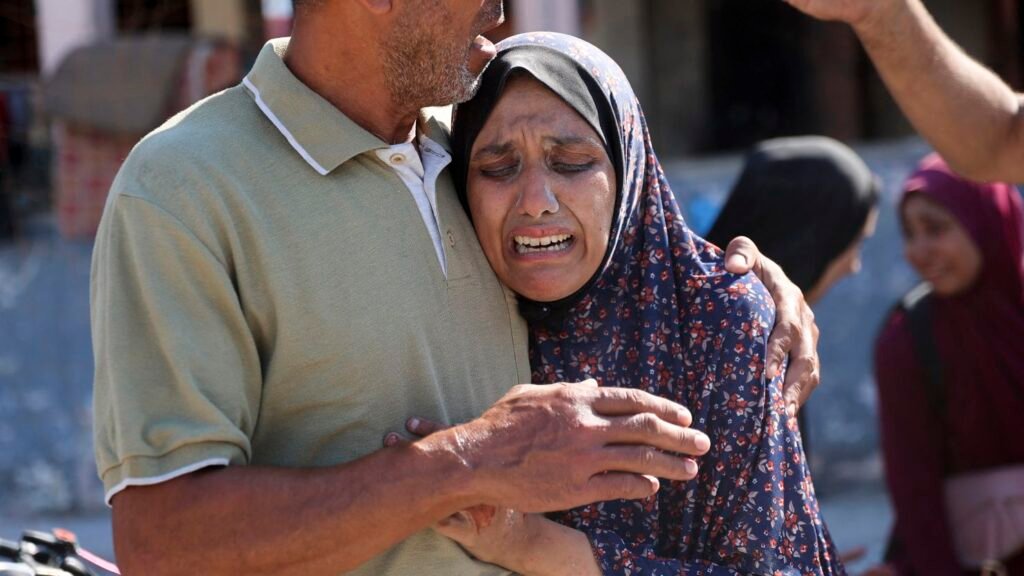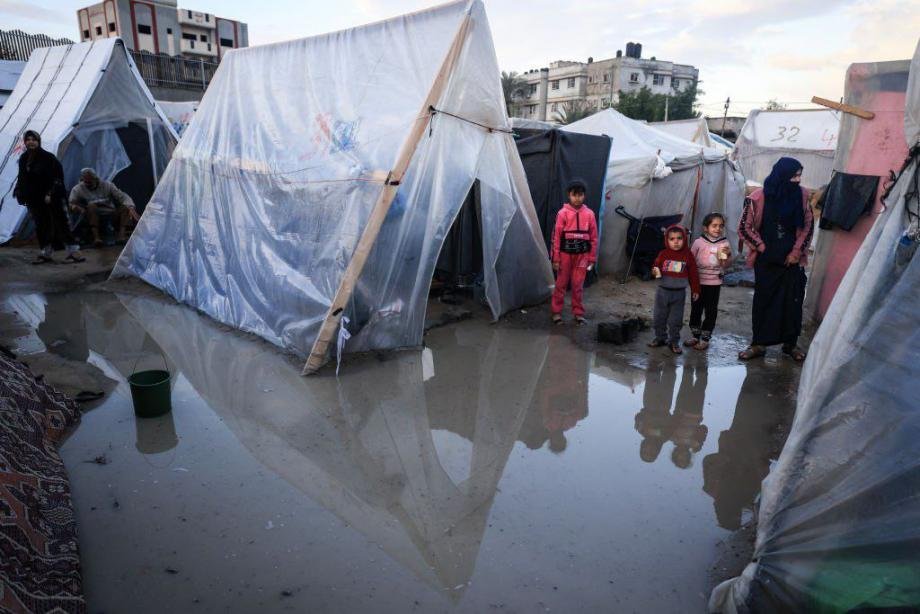
Gaza Herald – The humanitarian crisis in the Gaza Strip is deepening as Palestinians’ displacement camps turn into dangerous environments, not only due to war and blockade but also because of the rapid spread of rodents, which now pose a direct health risk to thousands of families amid severe environmental deterioration and lack of basic protection.
In one of the most shocking incidents, 68-year-old Inshirah Hajjaj woke up in her tent in Arafat camp in central Gaza to find her feet bleeding heavily. She later discovered that rats had bitten her toes while she slept, without her noticing due to complications from diabetes. “We live with the rats; they eat what we eat and sleep where we sleep. I fear waking up one day having lost my foot entirely,” she said.
This incident is not isolated but reflects a broader pattern across displacement camps, where families live in cramped tents without proper protection, sharing space with rodents that become active at night, creating constant fear and insecurity.
In another case, a 28-day-old infant, Adam Al-Usta, suffered a deep facial wound after being bitten by a rat inside his family’s tent in Al-Maqousi area west of Gaza, requiring urgent medical treatment and raising serious concerns about child safety.
Displaced civilians describe daily scenes of rodents invading tents, moving under bedding at night, stealing scarce food supplies, and approaching sleeping areas, especially where children are present. One mother said she keeps her children awake or under constant watch out of fear of attacks.
Health officials warn that current conditions in Gaza, marked by accumulated waste, debris, and failing sanitation systems, create an ideal environment for the separation of rodents and the diseases they carry. These include hantavirus, plague, leptospirosis (rat fever), salmonella, and tularemia, transmitted through bites, urine, droppings, or parasites such as fleas and ticks.
More than one million civilians are now living in fragile shelter conditions, either in tents or in the open, significantly increasing their exposure to such risks, especially amid limited medical resources and reduced response capacity.
Children are particularly vulnerable, already suffering from malnutrition, weakened immunity, and war-related injuries or disabilities, making them more susceptible to infections and complications. Medical teams report cases of severe infections among children caused by rodent bites, while access to adequate treatment remains difficult, especially in temporary medical centers.
Calls are growing for urgent international intervention, including from the World Health Organization and humanitarian agencies, to provide pest control materials, improve waste management, and ensure safer living conditions for displaced Palestinians.
Observers warn that without immediate action, these conditions could lead to a large-scale health and environmental disaster, further worsening an already catastrophic humanitarian situation.