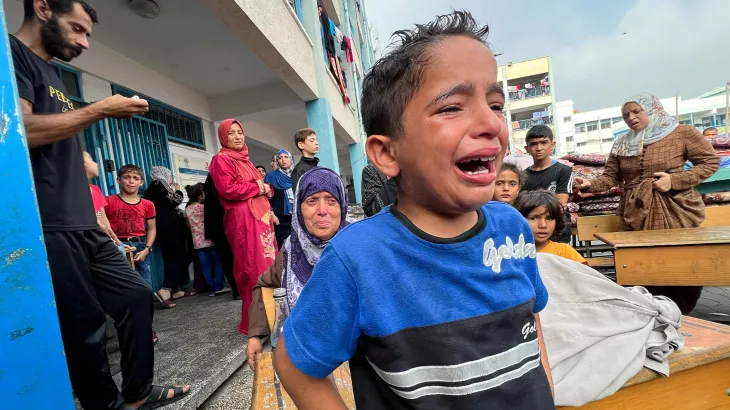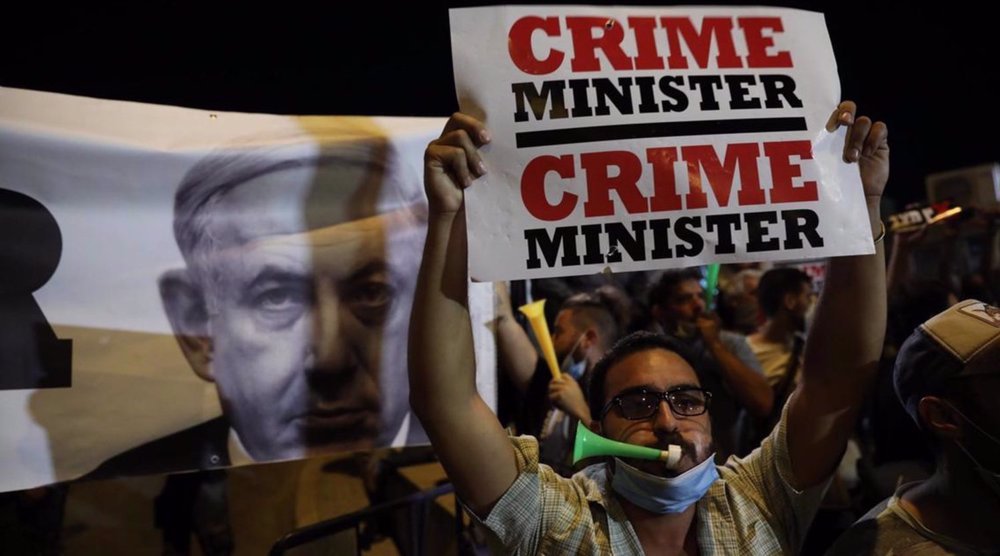
Gaza Herald – Israel has approved an unprecedented $730 million budget for 2026 to expand its global public diplomacy strategy known as Hasbara, in what officials describe as an intensified effort to counter growing international criticism following the genocide in Gaza.
According to reporting from The Times of Israel, the funding was approved by the Knesset in March and represents a fivefold increase compared to the previous year. The dramatic rise reflects a shift toward prioritizing narrative management as a central pillar of state strategy.
Israeli Foreign Minister Gideon Sa’ar characterized the initiative as part of a global war for hearts and minds, underscoring the emphasis placed on information operations alongside military and diplomatic activity.
The expanded program includes a centralized public diplomacy unit within the foreign ministry and a dedicated media monitoring “war room” tracking global coverage of Israel in real time. Around $50 million is allocated to digital advertising across major platforms such as Google, YouTube, and X, while another $40 million will fund international delegation visits aimed at influencing foreign opinion leaders.
Israel has also reportedly hired political strategist Brad Parscale, former campaign manager for Donald Trump, at a multimillion-dollar monthly rate to integrate artificial intelligence tools into its online influence operations. Additional resources target influencer networks and specific demographic groups, including evangelical communities.
Research from Al Jazeera Centre for Studies describes hasbara as a coordinated system combining media outreach, diplomacy, and lobbying efforts designed to shape international narratives through both digital and political channels.
The initiative comes amid declining perceptions of Israel abroad, particularly in the United States. A survey by the Pew Research Center found that a majority of Americans now hold unfavorable views, signaling a notable shift in public sentiment.
This trend is also reflected in US politics, where increasing numbers of lawmakers have questioned arms transfers to Israel, indicating a broader reassessment of policy positions within Washington.
Political scientist Shibley Telhami of the University of Maryland argues that this shift is driven by what he terms a “Gaza generation” of younger Americans, whose perceptions of Israeli policy are increasingly shaped by reports of widespread destruction and civilian harm.
Despite the massive financial investment, experts remain skeptical about its effectiveness. Communications scholar Nicholas Cull of the University of Southern California notes that public relations efforts cannot compensate for policy realities, drawing comparisons to historical cases where extensive propaganda failed to shift public opinion.
Analysts conclude that while Israel is significantly expanding its global messaging infrastructure, the growing gap between official narratives and conditions on the ground may limit the impact of even the most expensive influence campaigns.