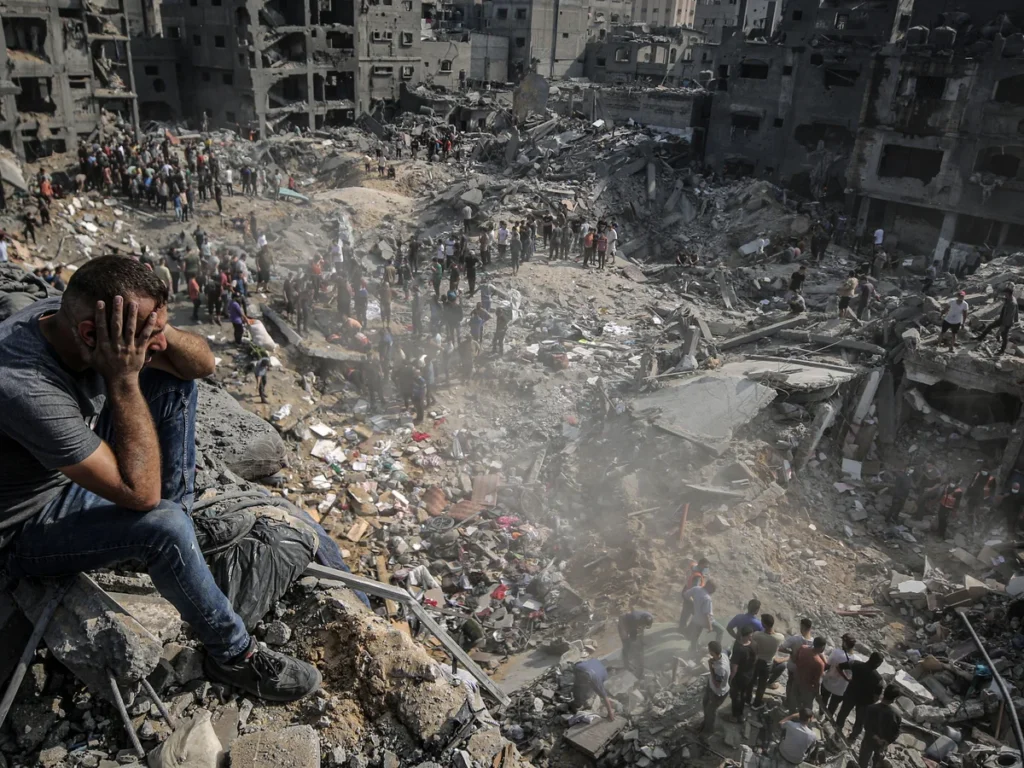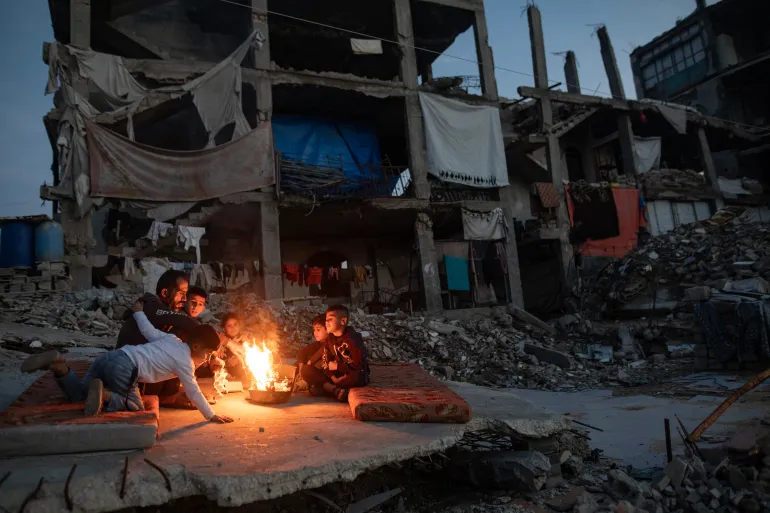
Gaza Herald – The humanitarian crisis in Gaza continues to worsen as restrictions on aid shipments remain in place, intensifying the risk of famine and deepening the collapse of the health system. Hundreds of thousands of people live in dilapidated tents or destroyed buildings, without electricity, running water, or sewage systems.
According to the Gaza Government Media Office, Aid shipments into Gaza have dropped by approximately 80% since the outbreak of the war against Iran. In the first week of the war, only 590 trucks entered the Strip, compared to a pre-war weekly average of around 4,200 trucks.
This decline has already translated on the ground into rising food prices and severe shortages of medicines and medical supplies in hospitals.
Gaza Ministry of Health reported that tens of thousands of war-wounded and patients, including children and elderly, require urgent medical evacuation, yet access to hospitals in the eastern part of occupied Jerusalem and the occupied West Bank has been blocked by Israeli authorities since 28 February, even though these facilities are better equipped to treat large numbers of patients following the destruction of Gaza’s healthcare system.
Additionally, the Israeli military has carried out near-daily strikes inside Gaza, claiming to target militants or suspects, but resulting in significant civilian casualties.
Since the ceasefire came into effect on 11 October, at least 667 Palestinians have been killed and 1,814 injured by Israeli airstrikes in the Strip.
Experts and aid groups are calling for an immediate lifting of restrictions on humanitarian aid, unimpeded operations for international organizations in Gaza, urgent reconstruction of infrastructure, and the initiation of a long-term negotiation process with the Palestinian Authority and Arab states to ensure a sustainable rebuilding of the Strip.