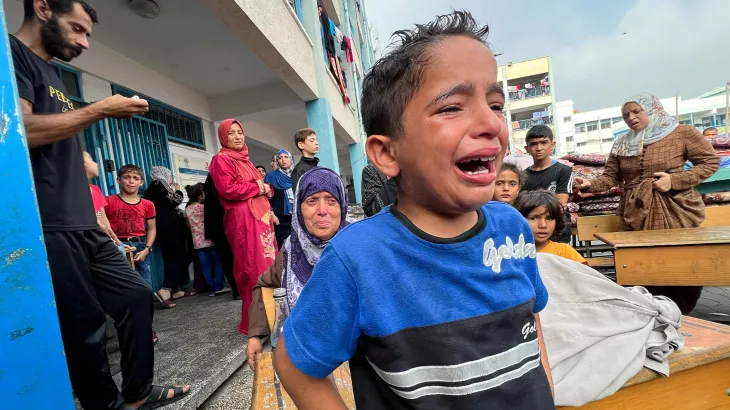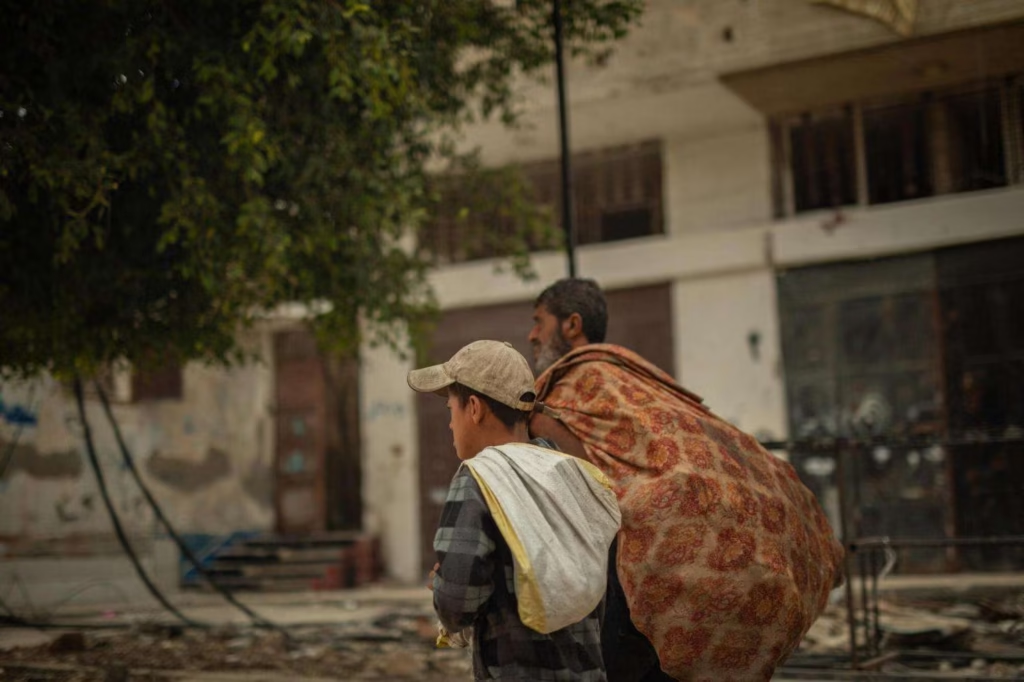
Gaza Herald – As the first two days of Eid al-Fitr passed, children in Gaza faced yet another holiday marked by deprivation, as soaring prices and severe shortages left families unable to afford even the simplest toys.
Across local markets, stalls that once displayed a wide range of dolls, balls, and games offered only limited options at sharply inflated prices. Parents searching for gifts were often forced to walk away empty-handed, unable to meet their children’s expectations amid a deepening economic crisis.
Traders said the situation was driven by the near-total disruption of supply. Since the outbreak of war in October 2023, restrictions on imports and the closure of key crossings have drastically limited the entry of goods, including recreational items. What little stock remained was often sourced through informal channels and sold at prices that were three to four times higher than before.
For many families, priorities had shifted entirely. With food, water, and basic necessities increasingly scarce, spending on toys became a luxury few could afford. Vendors themselves described a painful reality, watching children express excitement at items their parents could not buy.
The scarcity also reshaped childhood in Gaza. With toys largely unavailable, children turned to improvised forms of play, from simple street games to drawing in the sand, as families tried to create moments of normalcy amid ongoing hardship.
Despite these efforts, the absence of traditional Eid celebrations was deeply felt. Once a time of joy and generosity, the holiday came under the weight of war, where even small symbols of happiness remained out of reach for many.
Traders and residents alike said that without a significant easing of restrictions and improved access to goods, the situation was unlikely to change, leaving Gaza’s children to face future holidays defined not by celebration, but by loss and limitation.