Gaza Herald – Gaza markets have witnessed a sharp rise in prices for basic goods over the past few days, particularly vegetables, fruits, and frozen products, amid a steep decline in the quantities Israel allows into the Strip through border crossings. This shortage has led to certain items disappearing from shelves and increased pressure on the remaining supplies.
Tomato prices surged from around 10 shekels per kilogram to 22 shekels, while potatoes jumped from 10 to 18 shekels. Onions have nearly vanished from the markets. Frozen goods also saw dramatic increases: a kilogram of poultry rose from 23 shekels to about 40 shekels, and chicken breasts have become largely unavailable due to limited quantities, mostly directed to restaurants.
Mohammed Barbakh, Director General of Policies and Planning at Gaza’s Ministry of National Economy, explained that the current truck entries fall far short of meeting minimum market needs. Since the resumption of commercial imports after the US-Israeli war against Iran, only 35-40 trucks carrying various goods enter Gaza daily, with most focusing on nuts, soft drinks, and some luxury items.
Before the genocide, Gaza received roughly 170 commercial trucks per day, highlighting the stark shortage compared to current demand. The deficit is particularly acute in frozen products, fruits, and vegetables, with vegetable deliveries now limited to around five trucks per day, compared to 35 trucks before the genocide.
The ministry has attempted to regulate distribution through designated sales points to keep prices reasonable, but some merchants bypass the system, hoarding goods or diverting them to harder-to-reach areas to sell at higher prices. Limited on-the-ground monitoring has made it difficult to control these manipulations.
The crisis follows Israel’s four-day closure of Gaza crossings in late February during the war against Iran, after which border access resumed gradually but with much smaller shipments than before. Even pre-war deliveries were insufficient to meet the needs of more than a quarter of Gaza’s population.
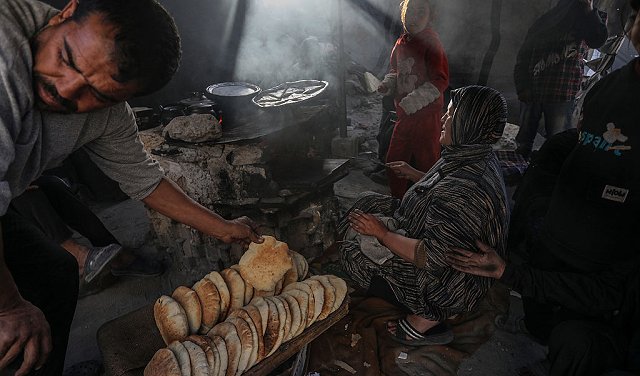
The Ministry of Economy has set up sale points for basic goods at pre-crisis prices, but the limited quantities have resulted in long queues as residents scramble to secure essential supplies.