Gaza Herald – The Palestinian Center for Human Rights reported that Israel’s attacks in the Gaza Strip continued to amount to genocide, even months after the October 2025 ceasefire, but through what it described as “less noisy and more systematic methods.”
In a report titled “Genocide Continues with Less Noise,” the rights organization said the killing never fully stopped after the truce took effect. Israeli forces had continued shelling, gunfire incidents, and issuing forced evacuation orders while maintaining conditions that left Gaza’s population trapped in what the group described as crushing humanitarian circumstances.
The report concluded that the pattern of attacks had shifted from large-scale military destruction to the systematic management of a devastated population, ensuring residents remained exhausted, displaced, and on the brink of collapse. According to the center, this demonstrated that the “post-war phase” had never truly begun, and that the same outcome, the destruction of Palestinian life in Gaza, continued through different mechanisms.
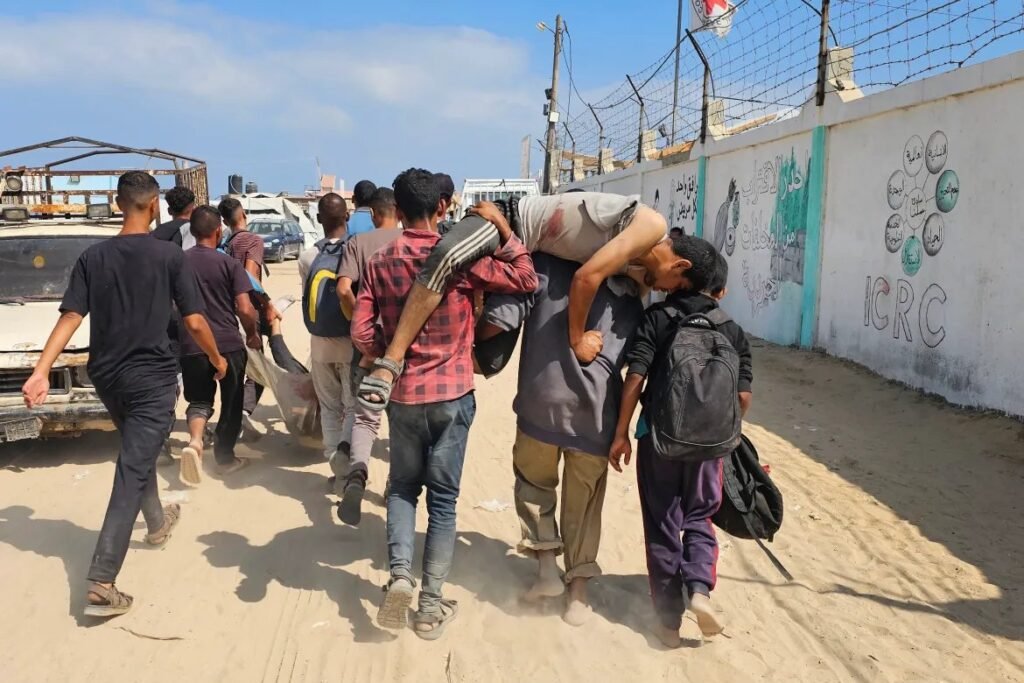
Field data documented that nearly 600 Palestinians had been killed since the ceasefire entered into force in October 2025, including more than 160 children, while over 1,500 people had been wounded in shootings, bombardments, and direct attacks across the territory.
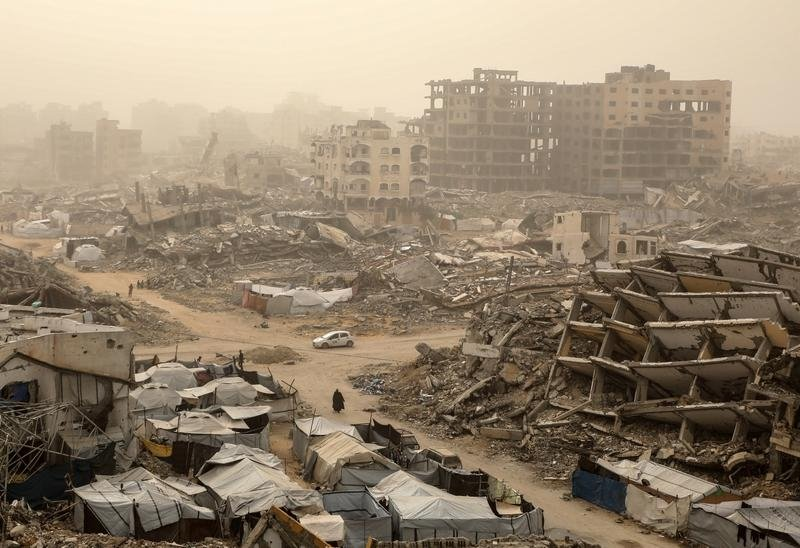
The report also described ongoing forced displacement orders, demolition of residential buildings, and strikes on civilian areas. These actions, it said, proved that military operations had not effectively ended and that the security environment across Gaza remained extremely dangerous, with no reliable guarantees for civilian safety or safe return to their homes.
Gaza’s healthcare system remained critically crippled, the report said. A large number of hospitals and primary care facilities were still out of service, while severe shortages persisted in essential medicines, medical supplies, laboratory materials, and blood reserves. Since July 2024, at least 1,268 patients had died while waiting for medical evacuation, including hundreds of life-saving cases.
Thousands more patients continued to wait for urgent medical travel permits, including roughly 4,000 cancer patients requiring treatment outside the enclave. Although the Rafah Crossing reopened in early February 2026, the report said travel remained limited to only about one-third of the required capacity, leaving many critically ill patients stranded.
The organization warned that Gaza’s humanitarian crisis was worsening as hundreds of thousands of families remained in damaged homes or fragile tents, with reconstruction stalled due to restrictions on construction materials. Combined with food shortages, fuel scarcity, soaring prices, and collapsing incomes, the situation had pushed large segments of the population into extreme poverty and severe food insecurity.
The center also warned that these conditions risked creating a “coercive environment for displacement,” forcing residents to leave Gaza under unbearable pressure. It urged the international community to ensure unrestricted humanitarian aid, medical evacuations, protection for humanitarian workers, and legal accountability for alleged war crimes, warning that continued international inaction would only deepen what it described as an ongoing genocide in Gaza.