Gaza Herald – For more than five months, 15,000 boxes of children’s cold medicine destined for Gaza remained frozen in a warehouse, stalled by Israeli approval procedures that never materialized. Israeli authorities reportedly raised concerns that trace glycerin in the medicine could be diverted for militant use, despite no publicly documented precedent. Aid workers said the lack of clear import thresholds left them unable to secure compliant alternatives, while children inside Gaza were left without basic treatment.
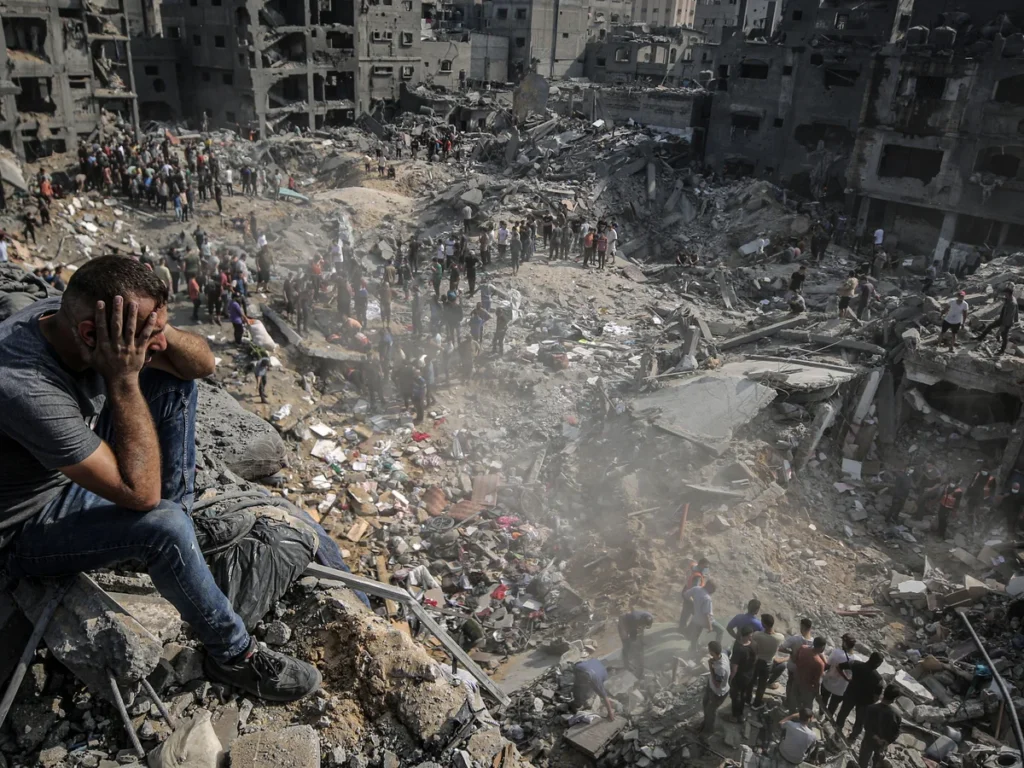
The bottleneck unfolded against a broader landscape of devastation. Since the October ceasefire announcement, humanitarian organizations described continued airstrikes, demolitions, and territorial consolidation that compounded what they characterized as systemic deprivation. Large swaths of the enclave had already been reduced to rubble; displaced families crowded into sprawling tent encampments with limited sanitation, scarce food, and rising disease transmission.
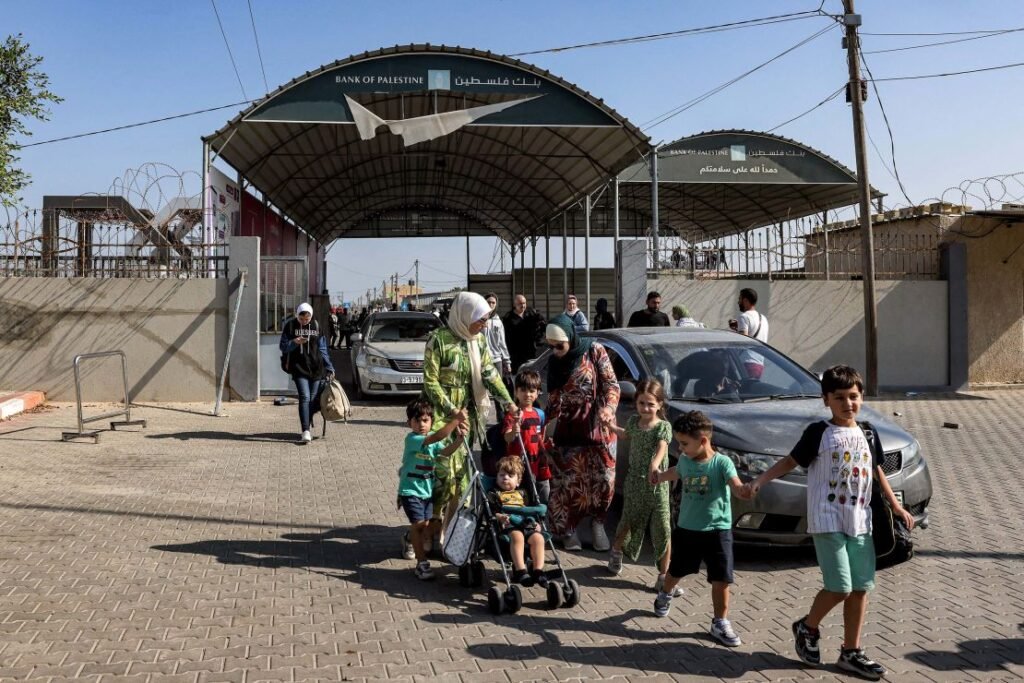
Access figures sharply diverged. Israeli officials maintained that hundreds of aid trucks entered daily under ceasefire understandings, while United Nations assessments placed the number far lower, well beneath pre-2023 baselines. Crossings, including Rafah on the Egyptian border, opened briefly before shutting again, creating a stop-start corridor that left convoys idling and warehouses swelling just beyond Gaza’s perimeter.
Humanitarian groups described an opaque compliance regime in which tents, metal poles, medical kits, and even color-coded garments were flagged as “dual-use” items. Several international NGOs, including CARE, Oxfam, and Médecins Sans Frontières, reportedly encountered licensing suspensions or operational constraints, narrowing already fragile supply lines. Aid officials said the shifting criteria and prolonged vetting cycles made real-time response nearly impossible.
Medical evacuations were equally constrained. Following the limited reopening of Gaza’s southern crossing in early February, roughly 200 critically ill or injured patients were permitted to leave, according to humanitarian accounts. In some cases, caregivers were denied exit on unspecified security grounds, resulting in family separations that relief workers described as prolonged and traumatic.
Prime Minister Benjamin Netanyahu and members of his coalition continued to signal opposition to Palestinian statehood, as critics warned of creeping territorial entrenchment in both Gaza and the West Bank. Under ceasefire arrangements, Israel effectively retained control over a majority of Gaza’s land area and all external crossings, giving it decisive leverage over the flow of goods and people.