
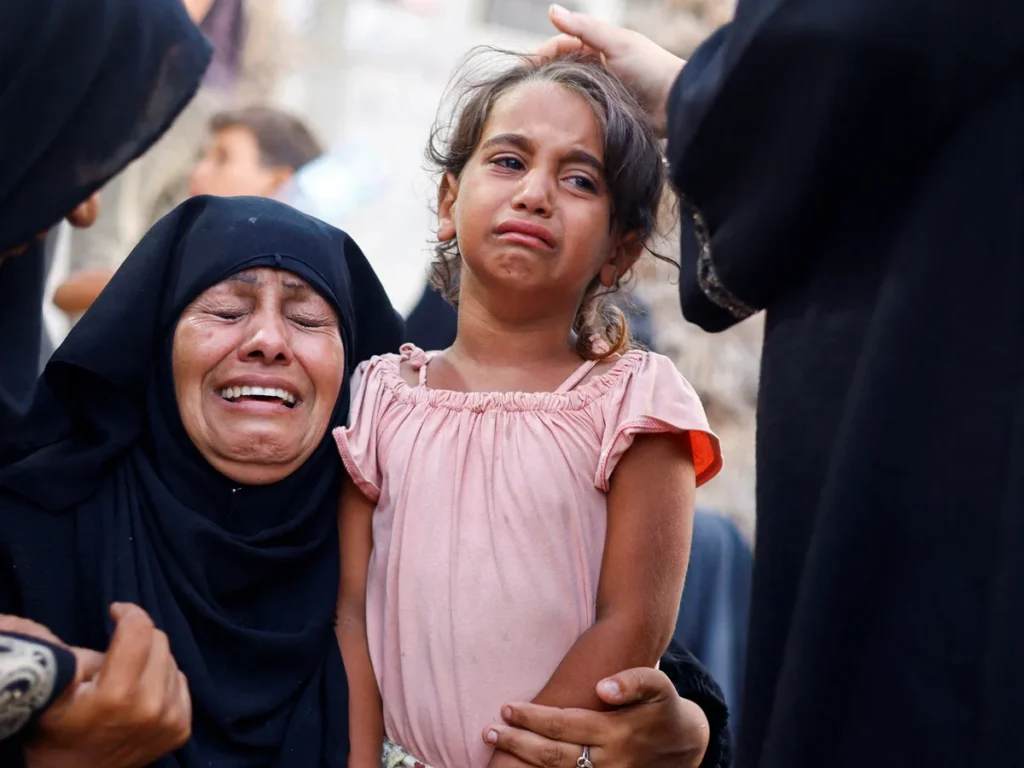
Gaza Herald – As the Rafah crossing partially reopened after nearly two years of closure, offering a narrow exit for a small number of Palestinians, many elderly residents of Gaza chose to remain, turning their decision into a form of resistance rooted in memory, loss, and attachment to land. For them, departure is not relief but a repetition of the historical dispossession they refuse to relive.
Several elderly Palestinians said their determination to stay was shaped by the legacy of the 1948 Nakba, when their families were forcibly displaced from their homes. After enduring repeated displacements during Israel’s latest generation on Gaza, they described remaining in the enclave as a moral stand against what they see as an ongoing effort to empty the land of its people, even at the cost of their own health and safety.
Many of Gaza’s elderly have been displaced multiple times during the war, now living in overcrowded shelters or tents after their homes were destroyed. Widowed, childless, or separated from family, they spoke of profound loneliness and trauma, worsened by the collapse of basic services and the absence of consistent medical care for chronic illnesses such as hypertension, diabetes, and heart disease.
Human rights organizations have warned that older Palestinians face a largely invisible humanitarian crisis. Studies have found widespread medication shortages, food insecurity, and deteriorating mental health among the elderly, with many skipping meals, reducing treatments, or living in conditions that severely undermine dignity, privacy, and physical wellbeing.
Despite these conditions, elderly Palestinians repeatedly rejected the option of leaving Gaza for treatment or safety. Many said they preferred to die on their own land rather than live abroad, viewing departure as a surrender that would validate decades of forced displacement and erasure.
Their stance comes amid continued Israeli violations of the ceasefire and renewed calls by Israeli far-right figures for Palestinian expulsion and settlement expansion. Against this backdrop, the refusal of Gaza’s elderly to leave stands as a quiet but powerful assertion of presence, challenging policies aimed at making life in Gaza unlivable and severing Palestinians from their homeland.

