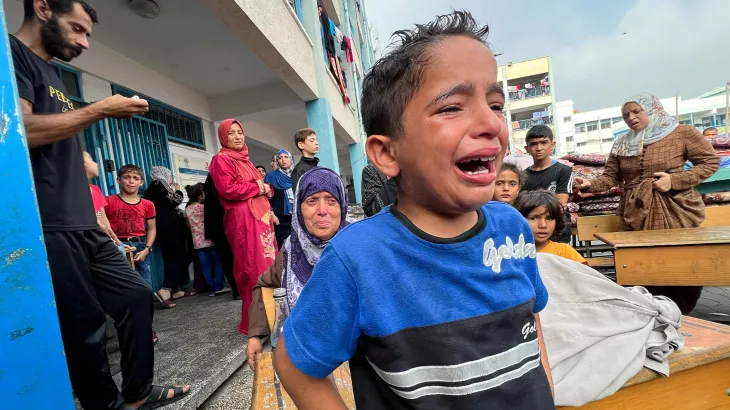
Gaza Herald- James Elder, a spokesperson for the United Nations Children’s Fund (UNICEF), warned of the rising number of children who have died due to the biting cold and ongoing Israeli attacks, despite the ceasefire taking effect in October 2025.
Elder, who carries out his field duties in Gaza, confirmed that the humanitarian situation in the enclave is dire, noting that at least one child dies every day, bringing the total number of child deaths to 100 since the ceasefire.
He added that severe weather conditions, lack of heating, and prolonged exposure are worsening the suffering of malnourished families in Gaza, particularly children with weakened immune systems.
Despite limited progress following the ceasefire, UNICEF warned that the humanitarian response in Gaza remains critically insufficient, with ongoing restrictions on essential supplies and continued child casualties.
UNICEF reported that 100 children have been killed since the ceasefire was announced, underscoring the urgent need for full compliance and stronger protection measures.
UN officials warned that aid to Gaza remains inadequate, stressing that children deserve basic safety, warmth, food, and access to education during the ceasefire.
UNICEF warned that humanitarian aid to Gaza remains inadequate, stressing that children are being denied most of the basic conditions needed for safety, warmth, nutrition, and education during the ceasefire.
Elder added, “Children here are being denied most of their basic needs, receiving only one or two.”
UNICEF highlighted local efforts to restore water and sanitation in Gaza but stressed that unprecedented physical and psychological destruction requires immediate entry of unrestricted humanitarian aid.
According to a UN official, UNICEF has successfully returned around 150,000 children to school. However, the reality remains harsh, as only one in every five children is currently able to attend school.
The UN official warned that Gaza’s extreme cold, high winds, and heavy rain exacerbate the suffering of residents, particularly children, whose basic needs for warmth are often unmet.
He added that Gaza residents, weakened by two years of man-made food shortages, face deadly living conditions in winter tents, with malnutrition and hypothermia already claiming young children.
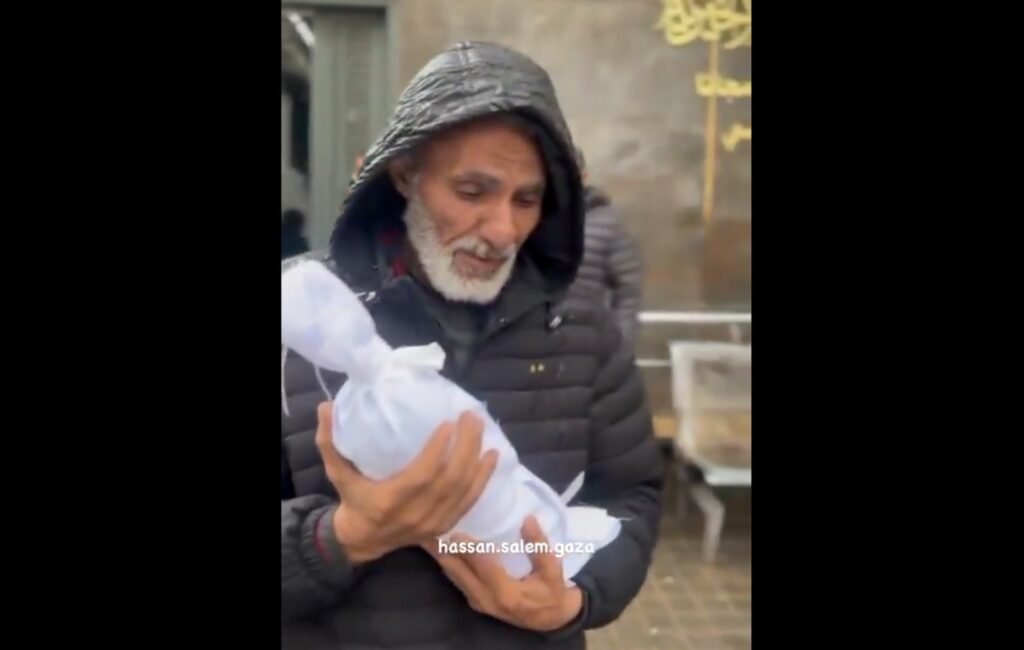
The Palestinian Ministry of Health reported that since the start of winter, nine children in Gaza—including infants as young as 27 days and seven months old—have died from the severe cold.
UNICEF warned that Israel’s ban on some Gaza civil society organizations could sharply worsen an already dire humanitarian situation within a month.
In December, Israel moved to revoke the licenses of 37 international humanitarian organizations in the West Bank and Gaza, including Médecins Sans Frontières, while a UN official stressed their essential role in delivering health, nutrition, and psychosocial support to Palestinians.
Elder noted that UNICEF is in ongoing communication with the Israeli authorities to bring in more aid, explaining that the organization was able, after the ceasefire, to deliver 75% of its designated assistance to Gaza.
He stressed that essential medicines and cooking gas remain in short supply, prompting UNICEF to meet with Israeli authorities several times a week to facilitate their entry into Gaza.