
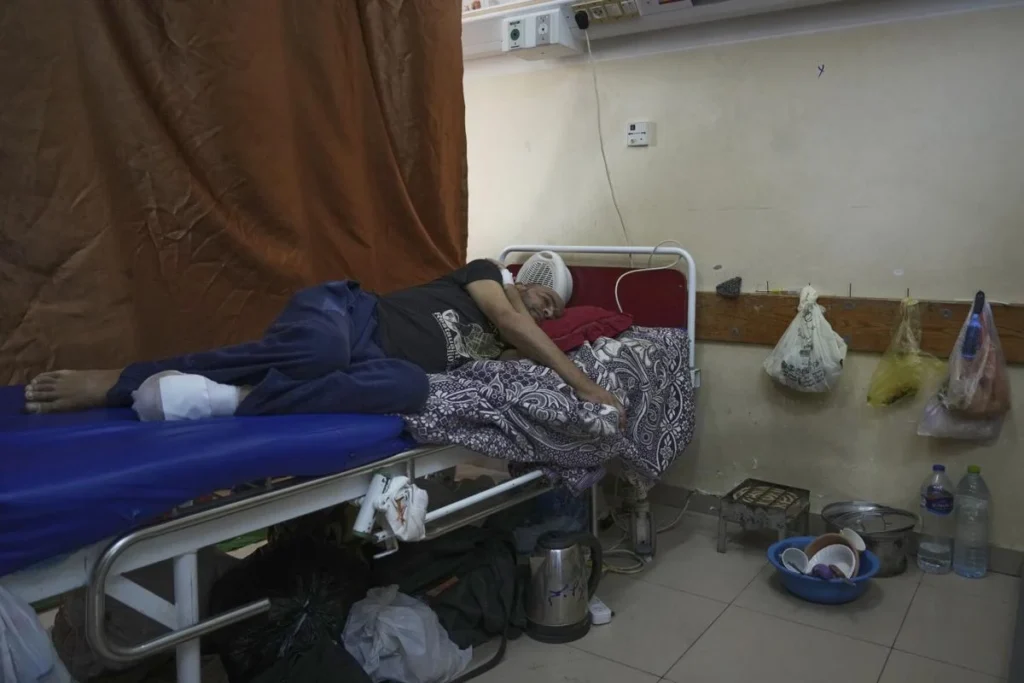
Gaza Herald_Gaza’s healthcare system is facing one of its darkest chapters, as medical officials warn of mass preventable deaths caused by severe shortages of medicines, equipment, and restrictions on patient movement. The director of Al-Shifa Medical Complex announced on Tuesday that nearly half of all kidney dialysis patients in the Gaza Strip have died. In contrast, more than 20,000 critically ill patients remain trapped, waiting for permission to travel abroad for life-saving treatment.
Speaking amid what he described as a total collapse of the health sector, the hospital director said Gaza’s medical facilities are operating far beyond their capacity, with hospitals overwhelmed and unable to meet even basic needs. Despite a reduction in military attacks, he stressed that the humanitarian and medical situation has not improved, noting that hospitals are functioning at more than 150 percent of their intended capacity.
The shortages are severe and widespread. More than half of essential medications are currently unavailable, while over 70 percent of medical consumables have run out completely. Several medical specialties are effectively non-functional due to a total lack of supplies, leaving doctors unable to treat even emergency cases. Health workers continue to operate under extreme pressure, exhaustion, and constant resource scarcity.
The situation is particularly catastrophic for patients suffering from kidney failure. Dialysis services, which require uninterrupted care, medication, electricity, and functioning machines, have been repeatedly disrupted. As a result, approximately 50 percent of dialysis patients have lost their lives, not because their conditions were untreatable, but because the care they depended on was systematically denied.
Cancer patients are facing a similarly grim reality. Chemotherapy and radiotherapy treatments have been halted for many patients due to drug shortages and damaged infrastructure. Physicians report rapid deterioration in patients who would otherwise have had a strong chance of survival. Meanwhile, tens of thousands of surgical procedures have been postponed indefinitely, including operations considered medically urgent.
One of the most critical aspects of the crisis is the paralysis of Gaza’s medical referral system. According to hospital officials, more than 20,000 patients have completed all required paperwork to receive treatment outside the Strip but remain unable to leave due to ongoing restrictions at border crossings. This delay has already proven deadly. Medical authorities report that approximately 1,200 patients have died while waiting for approval to travel, including children, cancer patients, and individuals with complex conditions that cannot be treated locally.
Health officials emphasize that only a fraction of Gaza’s medical needs is currently being allowed into the territory, estimating that roughly 20 percent of required supplies are reaching hospitals. They argue that continued restrictions on medical aid and patient movement persist even during periods of declared ceasefire, undermining any chance of recovery for the health system.
The crisis is unfolding alongside worsening humanitarian conditions. As winter temperatures drop, thousands of displaced families are living in tents and overcrowded shelters without access to adequate heating, nutrition, or clean water. Respiratory illnesses are spreading rapidly, particularly among children and the elderly, further straining an already collapsing healthcare network.
Palestinian medical authorities and human rights advocates have described the situation as a man-made humanitarian disaster, warning that the denial of medical care amounts to collective punishment of a civilian population. They argue that many of the deaths recorded in recent months were entirely preventable and resulted directly from enforced medical isolation.
As the death toll among chronically ill patients continues to rise, doctors in Gaza are calling on the international community to take immediate action. They are urging for unrestricted entry of medicines and equipment, urgent medical evacuations for critical patients, and meaningful protection for healthcare workers struggling to save lives under siege.
Without swift intervention, they warn, Gaza’s hospitals will continue to serve not as places of healing, but as witnesses to an unfolding tragedy that could have been stopped.

